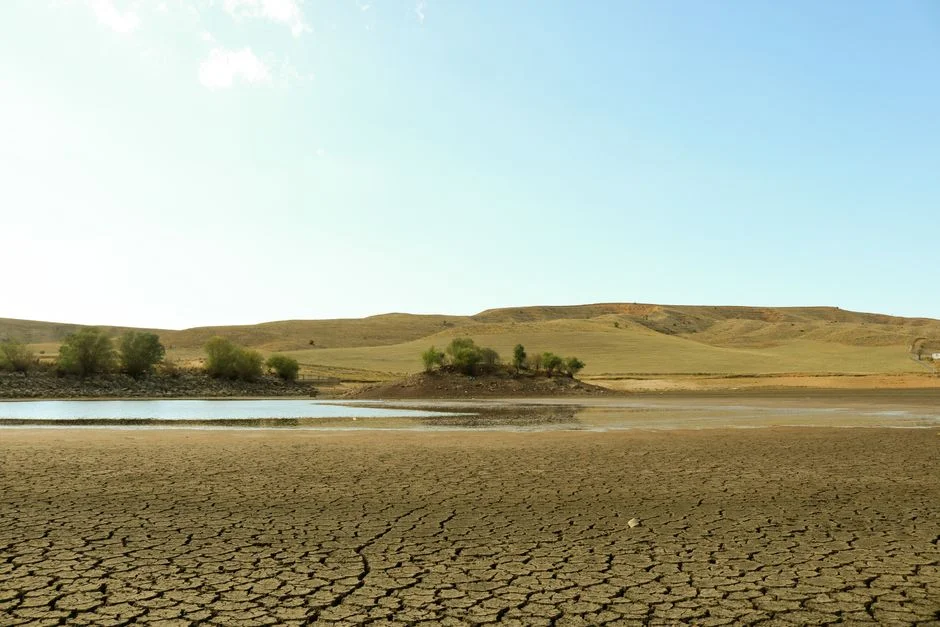
Firefighters in Portugal have deployed more than 130 personnel to combat a major blaze in the Serra do Caramulo mountain range, one of the country’s most ecologically significant regions. The fire, which broke out on Monday, has spread rapidly due to high temperatures and strong winds, forcing the evacuation of several nearby villages. The Portuguese National Authority for Civil Protection (ANPC) confirmed the scale of the operation, highlighting the urgent need for containment to prevent further damage to the natural reserve.
Location and Scale of the Fire
The Serra do Caramulo, located in central Portugal, is known for its dense forests and biodiversity. The fire has burned through over 2,000 hectares of land, according to the ANPC. The region is home to rare species of flora and fauna, making the environmental impact a major concern. Local authorities have warned that the fire could threaten the surrounding communities if not controlled soon.
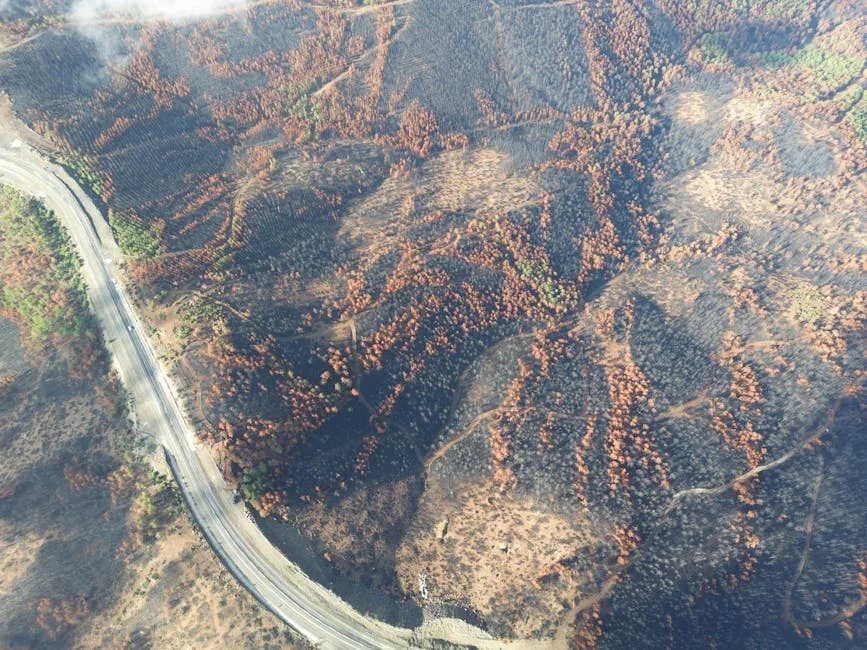
The fire was first reported near the village of Sertã, a small town in the district of Guarda. Emergency services quickly mobilized, sending firefighters, helicopters, and water tankers to the scene. Despite efforts, the flames have continued to spread, fueled by dry vegetation and adverse weather conditions.
The Portuguese government has declared a state of emergency in the area, allowing for the deployment of additional resources from neighboring regions. The fire has also drawn attention from international firefighting agencies, with Spain and France offering support.
Impact on the Environment and Communities
The Serra do Caramulo is part of the larger Serra da Estrela mountain range, which is designated as a protected natural area. The fire has raised concerns about the long-term damage to the region’s ecosystem, including the potential loss of ancient oak and chestnut forests. Environmental groups have called for increased investment in wildfire prevention and forest management.
Local residents have been evacuated from several villages, including parts of Sertã and the nearby town of Cernache do Bonjardim. Schools and businesses in the area have been closed as a precaution. The Portuguese Red Cross has set up temporary shelters for displaced families, providing food, water, and medical assistance.
Experts warn that the fire could have broader implications for Portugal’s climate resilience. The country has faced increasing wildfires in recent years, linked to prolonged droughts and rising temperatures. The Serra do Caramulo fire is another example of the growing challenge of managing natural disasters in a warming climate.
How the Fire Affects the United States


While the fire is geographically distant from the United States, its implications could be felt through global environmental and economic channels. The Serra do Caramulo is part of a larger network of protected ecosystems in Europe, which play a role in carbon sequestration and biodiversity preservation. Any significant disruption to these areas could have ripple effects on global climate efforts.
Additionally, the U.S. has a vested interest in Portugal’s environmental policies, as both nations collaborate on climate change initiatives. The fire underscores the importance of international cooperation in addressing the growing threat of wildfires. U.S. agencies, such as the Environmental Protection Agency (EPA), have noted the need for stronger cross-border climate strategies.
The U.S. government has not yet issued a formal statement on the fire, but diplomatic channels are monitoring the situation. Climate analysts in the U.S. are paying close attention to how Portugal manages the crisis, as it could serve as a case study for wildfire response strategies in other regions.
International Response and Cooperation
Spain has sent a team of firefighters to assist in the effort, while France has offered to provide aerial support. The European Union has also mobilized its emergency response mechanisms, highlighting the cross-border nature of the crisis. This level of international cooperation is not uncommon in large-scale wildfires, as neighboring countries often share resources and expertise.
The U.S. has not yet deployed personnel or equipment, but officials have expressed solidarity with Portugal. The U.S. Agency for International Development (USAID) has stated that it is prepared to provide assistance if requested. This response reflects the broader trend of global collaboration in addressing climate-related disasters.
The fire has also sparked discussions about the need for more sustainable land management practices. Environmental organizations in the U.S. have pointed to the Serra do Caramulo fire as an example of how climate change is intensifying natural disasters worldwide.
What Comes Next
Firefighters are expected to continue their efforts through the night, with the goal of containing the blaze by the end of the week. Weather forecasts predict a slight drop in temperatures and the possibility of rain, which could aid in the suppression efforts. However, the risk of rekindling remains high due to the dry conditions.
Local authorities are preparing for a prolonged response, with plans to assess the damage and begin recovery efforts in the coming days. The ANPC has also announced a public awareness campaign to educate residents on fire prevention and safety measures.
As the situation evolves, the international community will be watching closely. The Serra do Caramulo fire serves as a stark reminder of the growing challenges posed by climate change and the need for coordinated global action. What happens next could set a precedent for how countries respond to similar crises in the future.
See Also
- Rui Tavares Warns Spinumviva Could Trigger Early Elections in Montenegro
- British Players Struggle at Grand Slams — Is Wimbledon Prepared for More Woe?
The European Union has also mobilized its emergency response mechanisms, highlighting the cross-border nature of the crisis. This response reflects the broader trend of global collaboration in addressing climate-related disasters.