The European Commission has proposed a series of energy-saving measures, including closing public buildings and introducing seasonal tickets and energy vouchers. The plan, announced on Monday, comes as the bloc faces a growing energy crisis, with rising costs and supply chain disruptions threatening households and businesses across the region. The initiative, led by the European Commission’s Energy Executive Vice President, Frans Timmermans, aims to reduce consumption and ensure stability during the winter months.
Proposed Measures Target Energy Consumption
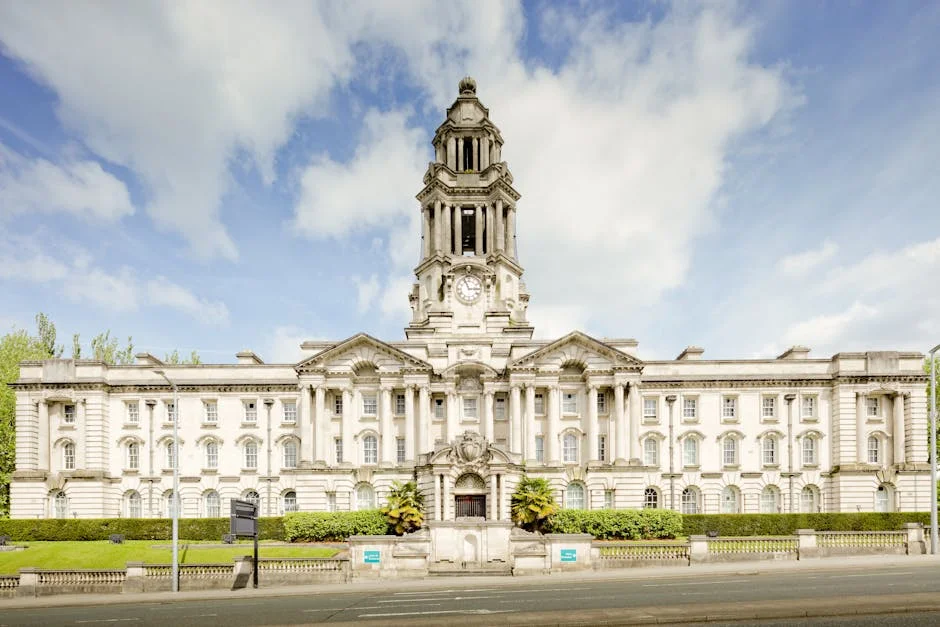
The Commission’s proposal includes closing public buildings such as libraries, museums, and government offices for part of the week to cut energy use. The measure is expected to save approximately 10% of public sector energy consumption, according to internal estimates. In addition, the plan introduces seasonal tickets for public transport in major cities, including Paris, Berlin, and Madrid, to encourage more sustainable travel habits.
Energy vouchers will also be distributed to low-income households across the EU, with a maximum value of €150 per household. The vouchers, set to be issued in December, are intended to ease the financial burden of rising electricity and gas prices. The Commission has not yet specified how the vouchers will be distributed or which countries will participate first.
Context of the Energy Crisis
The measures come amid a deepening energy crisis in Europe, driven by reduced Russian gas supplies and record-high prices. In 2023, the EU’s gas imports from Russia fell by 65%, forcing member states to seek alternative energy sources. The European Environment Agency reported that energy prices in the EU have risen by 40% year-on-year, with some households paying up to 50% more for heating.
France, for example, has already announced plans to extend the lifespan of its nuclear power plants to offset the energy shortfall. Germany, meanwhile, has accelerated its transition to renewable energy, though it has faced criticism for its slow progress. The new Commission proposals aim to complement these efforts by promoting energy efficiency and reducing demand.
Public Reaction and Political Implications

The proposal has sparked mixed reactions across the EU. In Germany, the Green Party welcomed the measures, calling them “a necessary step to protect vulnerable citizens.” However, the Christian Democratic Union (CDU) expressed concerns about the impact on public services, warning that closing buildings could disrupt essential functions.
Meanwhile, in Spain, the opposition Popular Party accused the Commission of imposing “unilateral measures” without sufficient consultation. “These policies will affect millions of citizens without proper debate,” said spokesperson María José Sánchez. The European Parliament is expected to vote on the proposal in the coming weeks, with a final decision likely by early December.
What Comes Next?
The Commission’s proposal is now under review by the European Parliament and the Council of the EU. A final vote is expected by the end of November, with implementation likely to begin in early December. The success of the measures will depend on cooperation from member states, as well as the availability of alternative energy sources.
Key challenges include ensuring that energy vouchers reach the most vulnerable households and that public buildings are closed without compromising essential services. The Commission has also faced calls to provide more transparency on how the savings will be calculated and monitored.
As winter approaches, the EU’s ability to manage its energy crisis will be closely watched by citizens, businesses, and global markets. The coming weeks will determine whether these new measures can help stabilize the region’s energy landscape and prevent further economic disruption.
See Also
- Argeș Pitești vs U Cluj Set for Semifinal Showdown in Cupa României 2025-2026
- India's Job Market Shifts: Fixed Term Employment Becomes the Norm - What It Means for Workers
In Germany, the Green Party welcomed the measures, calling them “a necessary step to protect vulnerable citizens.” However, the Christian Democratic Union (CDU) expressed concerns about the impact on public services, warning that closing buildings could disrupt essential functions. Key challenges include ensuring that energy vouchers reach the most vulnerable households and that public buildings are closed without compromising essential services.