Iran's foreign ministry has officially denied U.S. President Donald Trump's recent claims that several women in the country face execution for alleged crimes, calling the allegations baseless and politically motivated. The statement came after Trump, during a rally in Texas on April 12, warned that Iran was planning to execute women for "seditious" behavior, a claim that has sparked international debate. The Iranian government has not provided further details but has strongly rejected the accusations, emphasizing that such claims are part of a broader campaign to undermine its sovereignty.
What the Iranian Government Said
The Iranian foreign ministry issued a statement on April 13, reiterating that no women in the country are facing execution for political or social reasons. "These false claims are part of a long-standing strategy to spread misinformation and destabilize Iran," the statement read. The ministry also pointed to the country's legal system, which, while controversial, does not include public executions for political dissent in its current legal framework. The statement did not name any specific individuals or cases, but it emphasized that Iran's judiciary operates independently and is not influenced by external pressures.
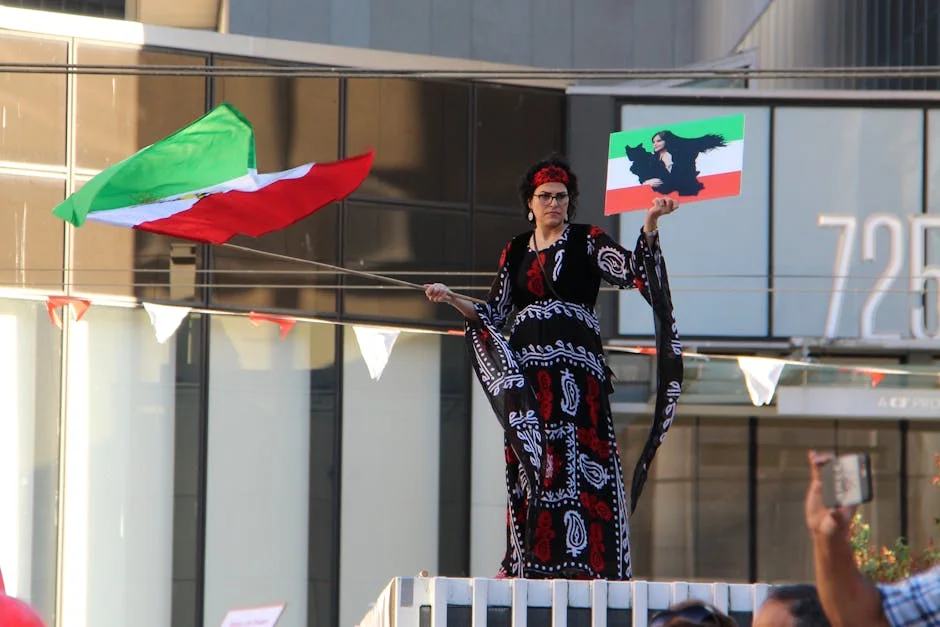
Iran's judiciary has faced criticism from human rights organizations, including Amnesty International, which has documented several cases of women being arrested for "moral offenses" or "insulting the state." However, the Iranian government has consistently maintained that its legal system is fair and that all individuals are treated according to the law. In a separate statement, the Iranian Supreme Court reiterated that "the rights of all citizens, including women, are protected under the Iranian Constitution."
Trump's Claims and Their Context
Trump's remarks during the Texas rally were part of a broader pattern of rhetoric against Iran, which has been a focal point of his administration's foreign policy. The president has long accused Iran of supporting terrorism, developing nuclear capabilities, and suppressing dissent. His comments on women's rights in Iran were made in the context of a wider discussion on U.S. foreign policy and human rights. However, the lack of specific evidence or names of the women allegedly targeted has led to skepticism from some analysts and journalists.
Trump's claims come amid a tense period in U.S.-Iran relations, which have been strained since the U.S. withdrawal from the 2015 nuclear deal in 2018. The administration has imposed stringent sanctions on Iran, and diplomatic channels have remained largely closed. The president's statements, while not new, have added to the rhetoric of confrontation, with some observers suggesting that such claims are intended to rally support for a more aggressive stance against Iran.
International Reactions and Human Rights Concerns
The International Campaign for Human Rights in Iran, a London-based organization, has called on the U.S. government to provide evidence to support Trump's claims. "Without concrete information, these statements risk fueling misinformation and undermining legitimate human rights advocacy," said a spokesperson for the group. The organization has documented cases of women being arrested for "moral offenses" and "disrupting public order," but it has not confirmed any specific executions linked to political activity.
Human rights groups have also raised concerns about the treatment of women in Iran, where the legal system allows for harsh penalties for actions deemed to violate Islamic law. According to the U.N. Office of the High Commissioner for Human Rights, at least 10 women were arrested in 2020 for "offenses against the state" or "public morality." However, no executions have been reported in those cases, and the Iranian government has not acknowledged any such incidents.
What to Watch Next
The situation remains closely monitored by international human rights organizations and U.S. policymakers. The U.S. State Department has not yet issued an official response to the Iranian government's denial, but it has previously expressed concern over Iran's human rights record. A key development to watch is whether the U.S. will provide additional evidence or take further diplomatic action in response to Trump's claims. Meanwhile, Iran has signaled that it will continue to defend its legal system and reject what it calls foreign interference in its internal affairs.
Frequently Asked Questions
What is the latest news about iran denies trumps claims about women facing execution?
President Donald Trump's recent claims that several women in the country face execution for alleged crimes, calling the allegations baseless and politically motivated.
Why does this matter for economy-business?
The Iranian government has not provided further details but has strongly rejected the accusations, emphasizing that such claims are part of a broader campaign to undermine its sovereignty.
What are the key facts about iran denies trumps claims about women facing execution?
"These false claims are part of a long-standing strategy to spread misinformation and destabilize Iran," the statement read.