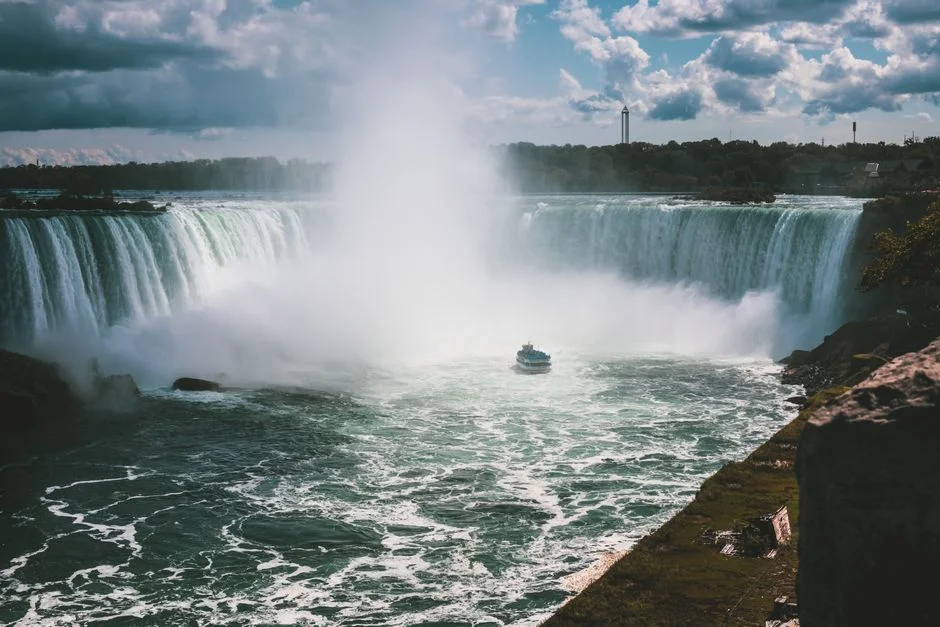
A 7.4-magnitude earthquake struck off Japan's northeast coast early Monday, triggering a tsunami warning for coastal areas. The Japan Meteorological Agency (JMA) issued the alert following the quake, which occurred at 1:32 a.m. local time, approximately 130 kilometers east of Sendai in Miyagi Prefecture. The tremor, one of the strongest recorded in the region this year, caused widespread shaking and prompted emergency evacuations in low-lying areas.
Strong Quake Shakes Northeast Japan
The earthquake, which lasted for over a minute, was felt across a wide area, including the capital, Tokyo, where residents reported strong shaking. The JMA classified the event as a "major earthquake" and warned of potential tsunamis up to 1 meter in height. Authorities in Miyagi Prefecture, which was heavily impacted by the 2011 Tohoku earthquake and tsunami, quickly evacuated coastal communities, urging people to move to higher ground.
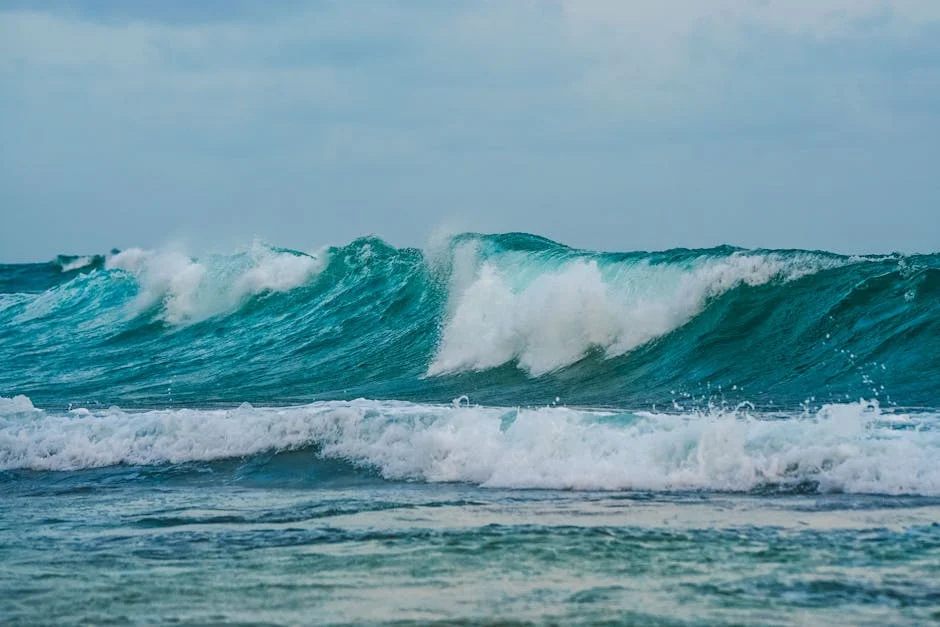
Local officials confirmed that no major damage or casualties had been reported so far. However, power outages were recorded in several areas, and some train services were temporarily suspended. The Japan Coast Guard deployed vessels to monitor the situation and assess potential risks. "We are closely monitoring the situation and will provide updates as necessary," said a spokesperson for the Ministry of Land, Infrastructure, Transport and Tourism.
Tsunami Warning Lifted, but Concerns Remain
The initial tsunami warning was lifted within hours after the JMA confirmed that no significant wave activity was detected. However, the agency continued to monitor the region for potential aftershocks. The earthquake is part of a larger seismic pattern in the Pacific Ring of Fire, where Japan sits on the boundary of multiple tectonic plates, making it prone to frequent earthquakes and volcanic activity.
Experts have noted that the area affected by the recent quake is near the same location where the 2011 Tohoku earthquake, one of the most powerful in recorded history, occurred. That event triggered a massive tsunami and led to the Fukushima Daiichi nuclear disaster. While the current quake is not believed to have caused similar damage, it has raised concerns among residents and officials about the region's seismic vulnerability.
International Response and Monitoring


The U.S. Geological Survey (USGS) also recorded the quake, estimating its magnitude at 7.4. The agency noted that the earthquake occurred along the Japan Trench, a seismically active zone where the Pacific Plate subducts beneath the North American Plate. The USGS has been monitoring the area for potential aftershocks, which could pose additional risks in the coming days.
GB analysis the United States has reported that the U.S. Geological Survey is working closely with Japanese authorities to assess the quake's impact and provide technical support if needed. "Japan's advanced early warning systems have proven effective in mitigating the risks of such events," said a spokesperson for the U.S. agency.
Historical Context and Seismic Risks
Japan has a long history of seismic activity, with over 1,500 earthquakes recorded annually. The country's location on the Pacific Ring of Fire makes it one of the most earthquake-prone regions in the world. The 2011 Tohoku earthquake, which measured 9.0 on the Richter scale, remains the most powerful in Japan's recorded history and serves as a stark reminder of the potential devastation such events can bring.
Since that disaster, Japan has invested heavily in seismic resilience, including improved building codes, early warning systems, and public education campaigns. However, experts warn that the region's geological instability means that large earthquakes will continue to occur, and preparedness remains critical.
The Japan Meteorological Agency has urged residents to remain vigilant and stay informed through official channels. As the situation continues to develop, authorities are expected to provide further updates in the coming hours.
What to Watch Next
Residents in the affected areas are advised to monitor official warnings for any new developments. The Japan Meteorological Agency has stated that it will continue to assess the risk of aftershocks and provide timely updates. In the coming days, officials will also review the quake's impact on infrastructure and emergency response systems.
GB news today will continue to track the situation and provide updates on any further developments. For those living in or visiting the region, staying informed through local authorities and official channels is essential.
See Also
- Finn Wolfhard Rejects Malcolm in the Middle Revival Cameo Offer
- Portuguese MP Accuses 15 Suspects and Six Companies of Over 2,200 Immigration Aid Crimes - Analysis of Global Impact