South Africa’s Mpumalanga province is in turmoil after a suspended police commissioner accused senior officials of political and business interference in law enforcement. The allegations, made by former commissioner Sipho Mabaso, have reignited concerns about the integrity of policing in one of the country’s most economically significant regions. Mabaso, who was placed on leave in March 2024, claims that powerful interests have manipulated investigations and undermined operational independence.
Allegations of Interference in Police Operations
Mabaso, a 20-year veteran of the South African Police Service (SAPS), revealed in a leaked internal memo that high-ranking officials had pressured his team to avoid prosecuting cases involving influential business figures. “The pressure came from the top,” he said in a recent interview. “We were told to focus on minor crimes and ignore the larger, more complex cases involving powerful actors.”
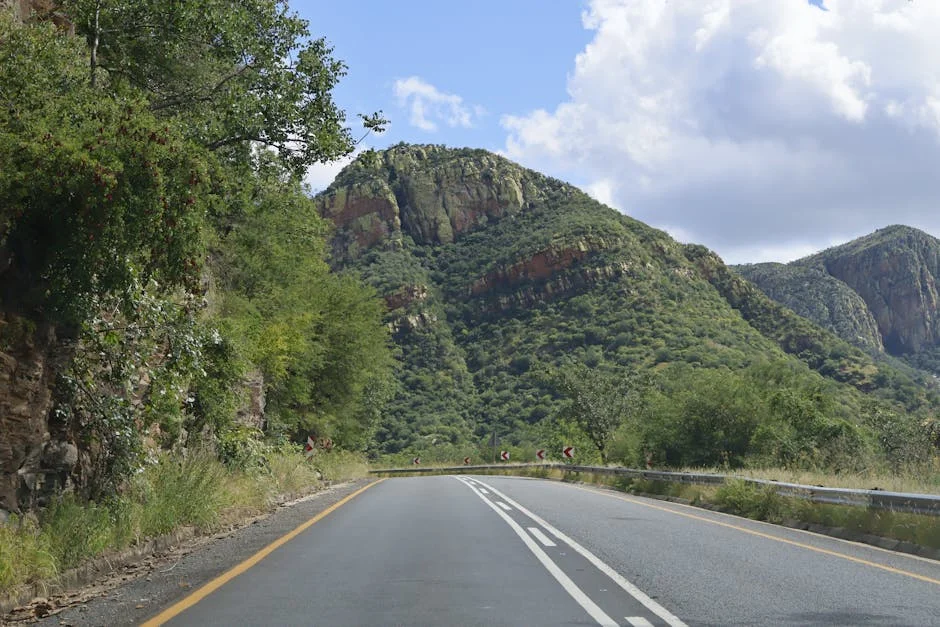
The allegations come amid a broader crisis in Mpumalanga, where crime rates have surged in recent years. In 2023, the province recorded 18,000 reported cases of violent crime, a 12% increase from the previous year. Mabaso’s suspension has fueled speculation that the government is trying to suppress dissent within the police force. “This is not just about one commissioner,” said civil society activist Thandiwe Nkosi. “It’s a systemic issue that needs urgent attention.”
Political and Business Influence in Law Enforcement
The accusations highlight a growing tension between law enforcement and political powers in South Africa. Mpumalanga, home to major mining operations and industrial zones, has long been a hotspot for corruption. In 2022, the National Prosecuting Authority (NPA) launched an investigation into alleged corruption involving local leaders and business executives, which some believe has stalled due to political pressure.
Business leaders in the region have denied any wrongdoing. “We fully support the police in their efforts to maintain law and order,” said Tumi Molefe, CEO of a major mining company in the province. “Any claims of interference are baseless and harmful to the region’s stability.” However, critics argue that the lack of transparency in police operations has created a vacuum for abuse of power.
Impact on Public Trust and Governance
The controversy has raised concerns about the credibility of the SAPS and the effectiveness of anti-corruption measures in South Africa. A 2023 survey by the South African Institute of Race Relations found that only 27% of respondents had confidence in the police. Mabaso’s allegations have only deepened this distrust. “When the police are seen as biased, the public loses faith in the entire system,” said legal expert Dr. Lindiwe Dlamini.
The issue also has implications for South Africa’s international reputation. The country has been under pressure from the African Union and the World Bank to improve governance and reduce corruption. Mpumalanga’s struggles could affect foreign investment and economic growth, particularly in the mining and manufacturing sectors.
Next Steps and Calls for Accountability
The South African government has not yet responded publicly to Mabaso’s claims, but the National Assembly has announced plans to hold a special session to investigate the allegations. A parliamentary committee will review the internal memo and interview witnesses, including Mabaso himself. “This is a critical moment for accountability,” said ANC spokesperson Sipho Khumalo.
Meanwhile, civil society groups are demanding an independent inquiry. “We cannot allow the police to be used as a tool for political and business interests,” said Nkosi. “The people of Mpumalanga deserve justice, not cover-ups.”
Looking Ahead: What Comes Next?
The outcome of the parliamentary inquiry could determine the future of policing in Mpumalanga and beyond. If the allegations are proven, it could lead to disciplinary actions against senior officials and a restructuring of the police force. However, if the investigation is perceived as lacking transparency, it may further erode public trust.
With the National Assembly set to convene in early April, the coming weeks will be crucial. The international community, particularly the World Bank and the African Union, is watching closely. The situation in Mpumalanga is not just a local issue—it reflects a broader challenge for South Africa’s democracy and governance. What happens next will have far-reaching consequences for the country’s political and economic future.
See Also
- Chega Opposes Açores Budget Approval Amid Fiscal Concerns
- Southampton Space Institute Joins UK's £17bn Space Sector
“This is a critical moment for accountability,” said ANC spokesperson Sipho Khumalo. The situation in Mpumalanga is not just a local issue—it reflects a broader challenge for South Africa’s democracy and governance.