Singapore's new head of the civil service, Dr. Tan Kian Meng, has called for a shift from reactive governance to proactive innovation, urging senior officials to rethink traditional approaches to public administration. The remarks, made during a high-profile address at the Ministry of Finance, signal a growing emphasis on modernization in one of the world’s most efficient government systems. The speech comes as the city-state navigates economic challenges and evolving global dynamics, with Dr. Tan stressing the need for agility in policy-making.
Dr. Tan’s Vision for a More Agile Government
Dr. Tan, who took over as the head of the Public Service Division in January 2024, emphasized that Singapore’s success has long relied on its ability to adapt. “There is no room for reactive governance,” he stated, adding that officials must anticipate challenges rather than respond to them after they arise. His speech highlighted the need for greater collaboration between ministries and a stronger focus on data-driven decision-making. “We must think ahead, not just react to the next crisis,” he said.
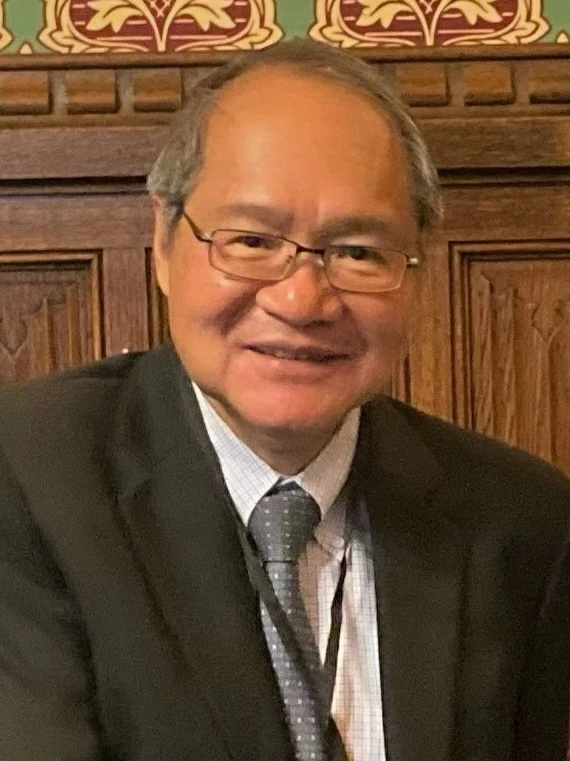
The call for innovation aligns with broader government priorities, including the implementation of the Smart Nation initiative, which aims to leverage technology to improve public services. Dr. Tan specifically mentioned the need for civil servants to embrace digital tools, such as artificial intelligence and automation, to enhance efficiency. “The world is changing fast, and our institutions must evolve with it,” he said.
Context: Singapore’s Reputation for Efficiency and Innovation
Singapore has long been recognized for its efficient and transparent governance, consistently ranking among the top countries in global indices such as the World Bank’s Ease of Doing Business and the Index of Economic Freedom. However, the city-state faces new challenges, including an aging population, rising competition from other Asian economies, and the need to remain a global financial hub amid shifting geopolitical tensions.
Dr. Tan’s speech reflects a broader conversation within Singapore about the future of its public sector. In 2023, the government launched a review of its civil service structure, aiming to streamline operations and reduce bureaucratic delays. The review identified areas for improvement, including the need for better talent management and more flexible working arrangements for public servants.
Implications for Singapore’s Future


The push for innovation in governance could have far-reaching implications for Singapore’s economy and society. By adopting more agile decision-making processes, the government may be better equipped to address emerging issues such as climate change, cybersecurity, and the integration of emerging technologies into everyday life. This could also enhance Singapore’s appeal as a destination for global businesses and talent.
However, the transition to a more forward-thinking model is not without challenges. Civil servants must be trained to think creatively and take calculated risks, which could require a cultural shift within the public sector. Additionally, the government will need to invest in infrastructure and digital capabilities to support these changes. “This is not just about technology,” Dr. Tan said. “It’s about rethinking how we serve the people.”
What to Watch Next
Dr. Tan’s speech marks the beginning of a broader reform agenda, with the government expected to release a detailed action plan in the coming months. Key areas to monitor include the implementation of new performance metrics for civil servants, the expansion of digital services, and the government’s approach to public-private partnerships. A review of the civil service structure is also scheduled for 2025, which could lead to further changes in how Singapore manages its public institutions.
For U.S. policymakers and businesses, Singapore’s evolving governance model offers insights into how a small, resource-scarce nation can maintain its global competitiveness through innovation and adaptability. As the city-state continues to shape its future, its approach could influence how other countries manage their own public sectors in an increasingly complex world.
See Also
- João Pinheiro Steers Critical Match — What This Means for PT
- Om Power Transmission Launches IPO Amid Market Uncertainty
By adopting more agile decision-making processes, the government may be better equipped to address emerging issues such as climate change, cybersecurity, and the integration of emerging technologies into everyday life. Key areas to monitor include the implementation of new performance metrics for civil servants, the expansion of digital services, and the government’s approach to public-private partnerships.
What is the latest news about singapores new civil service chief urges innovation amid economic shifts?
Why does this matter for economy-business?
What are the key facts about singapores new civil service chief urges innovation amid economic shifts?