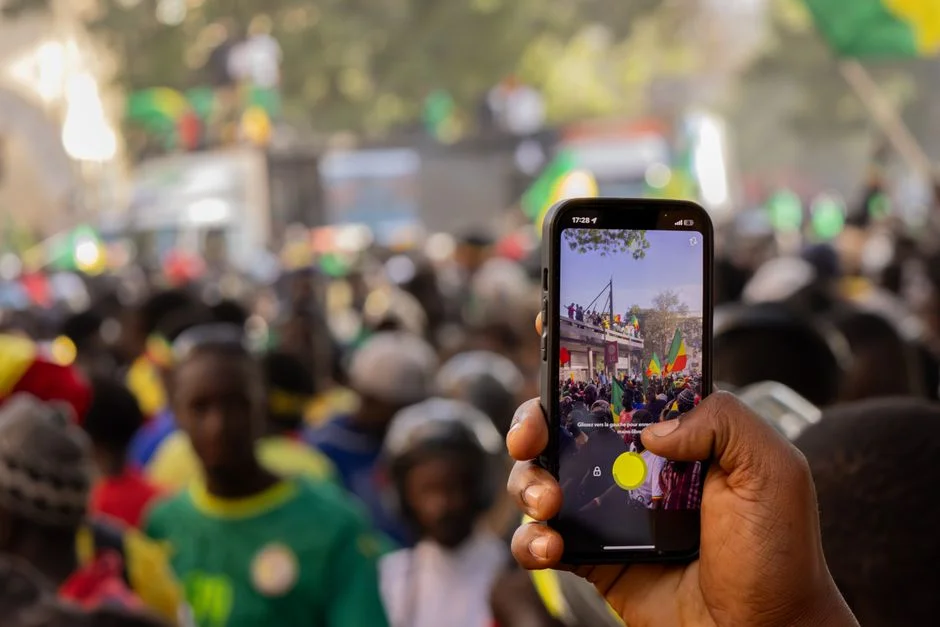
Nomsa Mazwai, a South African activist and founder of the non-profit organisation, launched Sober Fest on Freedom Day weekend, offering a drug- and alcohol-free alternative to traditional celebrations in Cape Town. The event, held on 27 April, aimed to promote public safety and raise awareness about substance abuse during a national holiday. Over 500 attendees participated, marking the first major alcohol-free party in the city’s history.
What is Sober Fest and Why It Matters
Sober Fest was created by Mazwai to address the rising concerns around substance abuse during South Africa’s annual Freedom Day celebrations. The event features live music, dance, and interactive workshops, all without the presence of alcohol or drugs. This initiative has sparked a national conversation about the role of alcohol in public festivities and the need for safer alternatives.
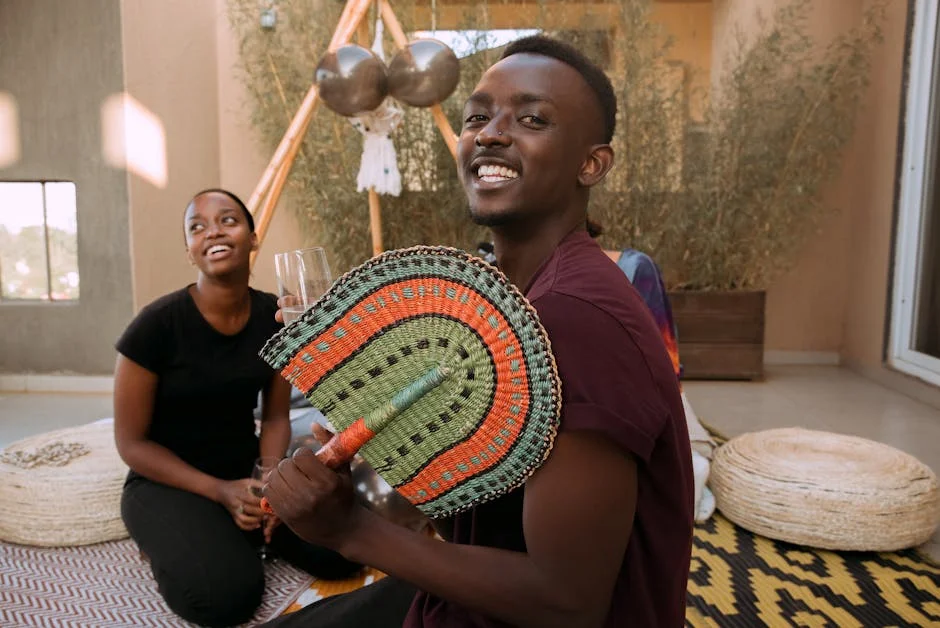
“Freedom Day is a time to celebrate our nation’s history, not a time to compromise our health,” Mazwai said in a recent interview. “Sober Fest is about creating a space where people can enjoy themselves without the risks associated with substance use.”
Freedom Day and Its Cultural Significance
Freedom Day, held annually on 27 April, commemorates the first democratic election in South Africa in 1994, which marked the end of apartheid. The holiday is celebrated with parades, cultural performances, and community events across the country. However, in recent years, concerns have grown about the impact of alcohol and drug use during these gatherings, especially in urban areas like Cape Town.
According to the South African National Council on Alcoholism and Drug Dependence, alcohol-related incidents during Freedom Day events have increased by 12% over the past five years. This trend has led to calls for more responsible celebration practices and greater public awareness.
Community Response and Public Safety

The response to Sober Fest has been overwhelmingly positive. Local businesses, including cafes and bars, have expressed support for the initiative, with some even offering free entry to the event. Community leaders have praised the event for its focus on health and well-being.
“Sober Fest is a great example of how we can celebrate our history without compromising our values,” said Thandiwe Mthembu, a Cape Town-based social worker. “It shows that it’s possible to have fun while staying safe.”
Challenges and Future Plans
Despite its success, Sober Fest faces challenges in scaling up its efforts. Organisers have noted that funding and logistical support remain a hurdle, particularly in reaching more communities across the country. However, Mazwai remains optimistic about the future of the event.
“We’re already planning for next year,” she said. “Our goal is to expand to other cities and involve more local artists and activists.”
What to Watch Next
Sober Fest’s success has prompted discussions about integrating similar initiatives into other national events. The Department of Health in South Africa is considering a pilot programme to support alcohol-free celebrations in major cities. Meanwhile, Mazwai and her team are working on securing partnerships with local governments and private sector sponsors to ensure the event’s long-term sustainability.
As the country continues to grapple with public health challenges, Sober Fest represents a meaningful shift in how South Africans choose to celebrate their heritage.
See Also
- DOJ Unveils New Evidence in Trump Probe Amid Brennan Ties
- Vance's Pakistan Trip Dropped After Iran Rejects US Terms
This trend has led to calls for more responsible celebration practices and greater public awareness. The Department of Health in South Africa is considering a pilot programme to support alcohol-free celebrations in major cities.