Internal documents obtained by investigative journalists reveal how Live Nation, the world’s largest concert promoter, leveraged its market dominance to influence venues, artists, and competitors—despite facing regulatory scrutiny from the U.S. Department of Justice. The files, dating back to 2018, show the company’s aggressive strategies to secure exclusive deals and suppress competition, raising fresh concerns about monopolistic practices in the live entertainment sector.
Live Nation's Market Dominance Unveiled
The documents, sourced from a former Live Nation executive who recently came forward, detail how the company used its influence to pressure venues into signing exclusive contracts. In one instance, a venue in Los Angeles was reportedly threatened with exclusion from major tours if it did not agree to a 15% fee increase for Live Nation’s ticketing services. This practice, according to the files, was part of a broader strategy to limit competition from smaller promoters and ticketing platforms like Ticketmaster.
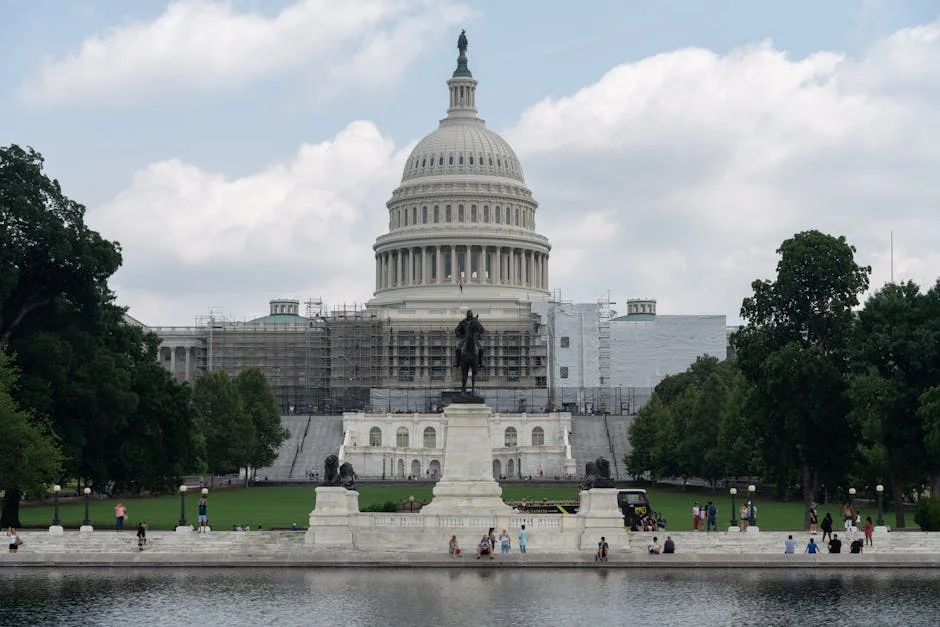
Live Nation’s dominance has been a subject of regulatory concern for years. In 2020, the U.S. Department of Justice filed a lawsuit against the company, alleging anti-competitive behavior. The new documents suggest that the company continued its aggressive tactics even as the legal battle unfolded, with internal communications revealing plans to "neutralize threats" from rival promoters.
Impact on Artists and Venues
Artists and venue owners have long complained about the power imbalance in the live music industry. The documents show that Live Nation often pressured performers to use its affiliated ticketing services, which charged higher fees than third-party platforms. In one case, a mid-level artist was reportedly warned that refusing to use Live Nation’s ticketing system would result in reduced promotional support and fewer tour opportunities.
John Thompson, a venue manager in Chicago, said the pressure from Live Nation was overwhelming. "They have the power to decide who plays here. If you don’t comply, they just move on to the next venue," he said. The documents also reveal that Live Nation used its influence to limit the number of independent promoters who could book shows in major cities, effectively consolidating its control over the market.
Regulatory Response and Legal Challenges


The U.S. Department of Justice has been investigating Live Nation for several years, with the latest filings suggesting that the agency may be preparing to take further legal action. In a recent statement, the DOJ said it was "deeply concerned" by the new evidence and would "continue to monitor the situation closely." The agency has previously accused Live Nation of creating a "monopoly" in the live entertainment sector, with one official describing the company as "too big to fail."
Live Nation has denied any wrongdoing, stating in a press release that it "operates in full compliance with all applicable laws and regulations." The company also emphasized that it "works closely with venues, artists, and fans to ensure a fair and competitive marketplace." However, the new documents have reignited calls for stricter antitrust enforcement in the entertainment industry.
SG’s Role in the Live Music Industry
The documents also highlight the role of SG, a major player in the ticketing sector, in shaping the landscape of live music. While not directly implicated in the alleged anti-competitive behavior, SG’s relationship with Live Nation has come under renewed scrutiny. In 2021, the company signed a multi-year agreement with Live Nation to provide ticketing services for major tours, a move that critics argue further consolidates the power of a few key players in the industry.
SG’s influence extends beyond ticketing. The company has also invested heavily in digital platforms that track fan behavior and preferences, giving it a unique advantage in the market. This data-driven approach has raised concerns among smaller promoters, who say they are being left behind in an industry dominated by a handful of large corporations.
Competitor Reactions and Industry Concerns
Independent promoters have voiced growing frustration with the current state of the industry. Sarah Lee, founder of a small promoter in Austin, Texas, said the dominance of Live Nation and SG has made it nearly impossible to compete. "We’re not getting the same opportunities as the big players. It’s not fair," she said. The new documents have only intensified these concerns, with many in the industry calling for greater transparency and oversight.
The American Federation of Musicians has also raised alarms about the impact of these practices on artists. In a recent statement, the union said it was "deeply troubled by the evidence that Live Nation and other major players are using their influence to suppress competition and limit opportunities for musicians." The union is now pushing for legislative reforms to ensure a more level playing field.
What’s Next for Live Nation and the Industry
The Department of Justice is expected to announce its next steps in the coming weeks, with some analysts predicting a potential settlement or even a forced divestiture of certain assets. Meanwhile, the Federal Trade Commission is also reviewing the case, with officials indicating they may take a more aggressive stance on antitrust enforcement in the entertainment sector.
For now, the industry remains on edge, with fans, artists, and venue owners watching closely to see how the situation unfolds. As one industry insider put it: "The music scene is at a crossroads. What happens next will shape the future of live entertainment for years to come."
See Also
- Taiwan's Kuomintang Leader Meets Xi Jinping in Beijing
- APC Speaker Wins Primary Return Bid as Deputy Stumbles