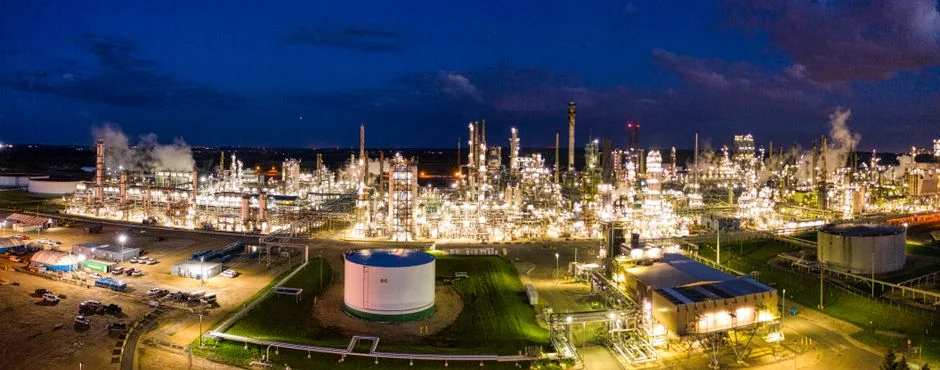
OPEC reported a sharp decline in Middle East oil production as tensions escalate following renewed conflict involving Iran. The drop, attributed to infrastructure damage and supply chain disruptions, has sent shockwaves through global energy markets. The Organisation of the Petroleum Exporting Countries (OPEC) confirmed the decline, citing a 12% reduction in output from key producers in the region. This comes as the United States and its allies monitor the situation closely, with fears of rising fuel prices and regional instability.
OPEC Reports 12% Decline in Regional Output
OPEC’s latest report revealed a 12% drop in oil production from the Middle East, marking the steepest decline since 2019. The reduction was primarily driven by disruptions in Iran, Iraq, and Saudi Arabia, where ongoing hostilities have damaged critical infrastructure. The decline has raised concerns about global energy security, particularly as the United States remains heavily reliant on Middle Eastern oil. The US Energy Information Administration (EIA) has warned that the situation could lead to short-term price volatility.
The drop in output follows a series of attacks on oil facilities in the region, including a recent strike on an oil terminal in Kuwait. Kuwait’s Ministry of Oil confirmed that the attack caused temporary shutdowns and delayed exports. "This is a direct consequence of the escalating tensions in the region," said Minister of Oil Ahmed Al-Sabah. "We are working with international partners to restore operations as quickly as possible."
Regional Instability Threatens Global Markets
The Middle East has long been a flashpoint for geopolitical tensions, and the current conflict has intensified fears of a broader energy crisis. Iran’s involvement in the conflict has led to increased sanctions and diplomatic isolation, further complicating supply routes. The United States has already imposed new restrictions on Iranian oil exports, citing national security concerns. These measures have added to the uncertainty in the market, with oil prices rising by 4% in the past week.
Analysts warn that the situation could have far-reaching consequences for the global economy. "A sustained drop in Middle East oil production could lead to higher fuel costs, inflation, and economic slowdowns," said Dr. Sarah Johnson, an energy economist at the University of Texas. "This is not just a regional issue — it has global implications."
How the Crisis Affects the United States

The United States is particularly vulnerable to disruptions in Middle East oil production due to its reliance on imported crude. According to the EIA, the US imports approximately 10% of its oil from the region, with a significant portion coming from Saudi Arabia and the UAE. A prolonged decline in supply could lead to higher gasoline prices, impacting consumers and businesses alike.
The Biden administration has pledged to work with allies to stabilize the market, including increasing oil reserves and accelerating energy transition efforts. "We are closely monitoring the situation and prepared to take action if needed," said White House spokesperson Jen Psaki. "Our priority is to ensure energy security and protect American consumers."
Impact on Global Trade and Energy Policy
Global trade routes are also under pressure as shipping companies reroute vessels to avoid conflict zones. The Suez Canal, a critical artery for global commerce, has seen increased traffic and delays. The International Chamber of Commerce has warned that these disruptions could slow global trade and increase costs for businesses worldwide.
Meanwhile, energy policy debates are intensifying in the US. Some lawmakers are pushing for greater investment in renewable energy, while others argue for expanding domestic oil production. The conflict in the Middle East has underscored the need for energy independence, with calls for a more diversified energy strategy.
What to Watch Next
As the situation in the Middle East continues to evolve, several key developments will shape the global energy landscape. OPEC is set to meet in early April to assess the impact of the production drop and discuss potential adjustments. Meanwhile, the US Department of Energy will release its weekly oil inventory report, which could provide further insight into market conditions.
International diplomacy will also play a crucial role in de-escalating tensions. The UN Security Council is expected to hold an emergency session to address the crisis, with calls for a ceasefire and renewed diplomatic engagement. For now, the world watches closely as the conflict in the Middle East continues to reshape the global energy map.
See Also
- Yoliswa Makhasi Faces Pressure Over Parliamentary Vetting Amid Political Scrutiny
- Troy Deeney Reveals 2025–26 Premier League Team of the Season