Former U.S. President Donald Trump has issued a direct warning to NATO allies, dismissing their relevance in addressing Iran’s recent military provocations. The remarks, made during a private meeting with defense officials, come as Tehran intensifies its regional ambitions, raising concerns among global markets and investors. Trump’s comments underscore a shift in U.S. foreign policy, prioritizing unilateral action over multilateral cooperation, with significant implications for economic stability and corporate strategies.
Trump's Direct Warning to NATO
Trump’s remarks, reported by multiple news outlets, criticized NATO’s effectiveness in countering Iran’s growing influence in the Middle East. "They don’t need NATO’s help—never did," he said, emphasizing the U.S. role as the sole guarantor of regional security. This stance aligns with his administration’s "America First" doctrine, which often sidelined international alliances. The statement has sparked debate among policymakers, with some arguing it undermines collective defense agreements, while others see it as a pragmatic approach to reducing U.S. entanglements.
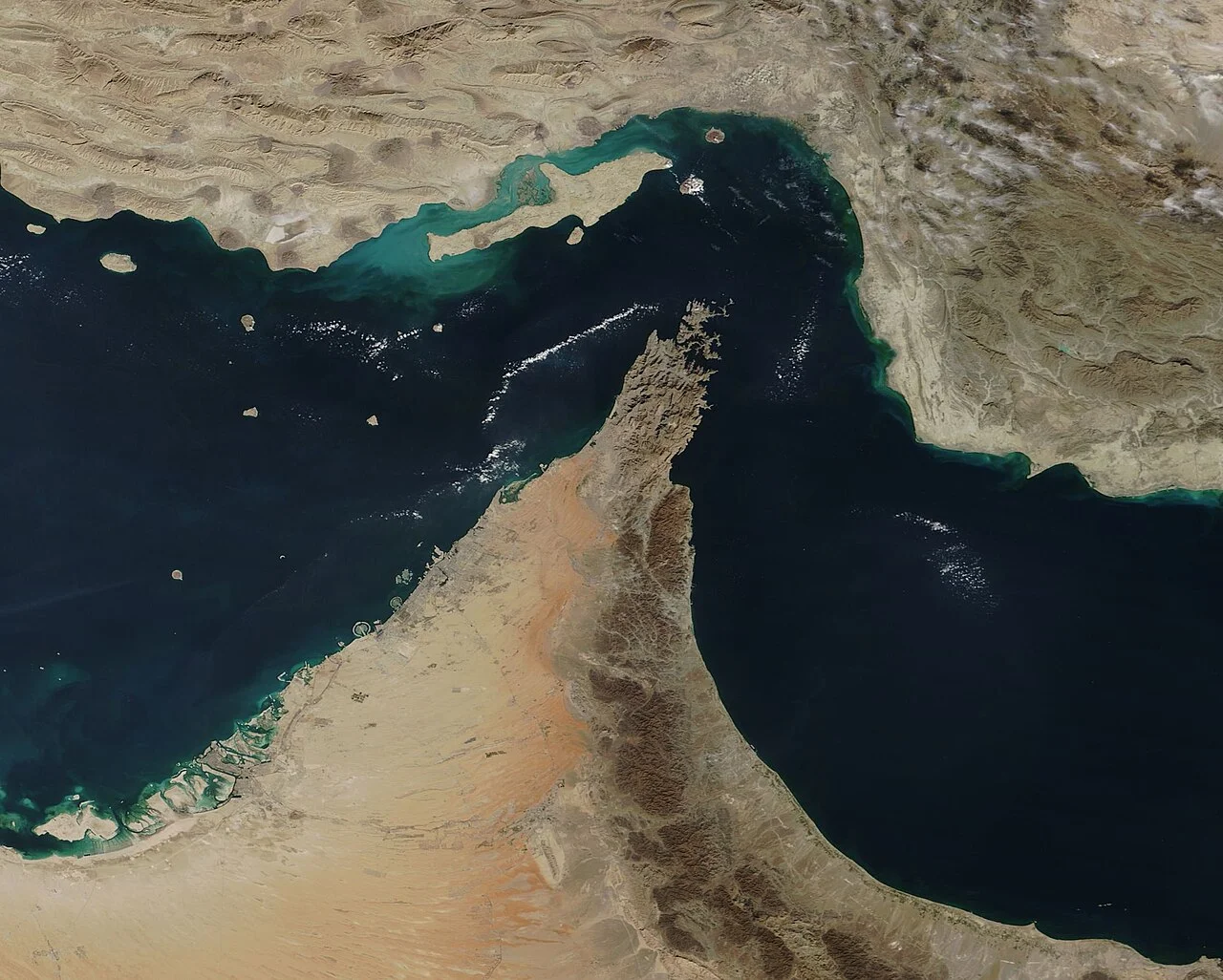
The timing of the warning coincides with heightened tensions between Iran and Western nations. Recent clashes in the Strait of Hormuz and Iran’s advancement in nuclear technology have escalated fears of a broader conflict. Analysts note that Trump’s rhetoric could embolden Iran, reducing diplomatic leverage and increasing the risk of miscalculation. For investors, the unpredictability of U.S. foreign policy adds volatility to energy markets and global trade routes.
Global Markets React to Escalating Tensions
Following Trump’s comments, global stock indices experienced mixed reactions. The S&P 500 fell 0.8% as investors worried about potential disruptions to oil supplies, while the Nikkei 225 rose 1.2% on expectations of U.S. military readiness. Energy prices surged, with Brent crude hitting $87 per barrel, the highest since 2014. This volatility highlights the interconnectedness of geopolitical events and financial markets, particularly for energy-dependent economies.
Businesses in the defense sector saw a surge in stock prices, with Lockheed Martin and Raytheon Technologies gaining over 3% in after-hours trading. However, multinational corporations face uncertainty as supply chains risk disruption. A report by the International Chamber of Commerce warned that prolonged instability could reduce global trade by 2-3% annually, disproportionately affecting emerging markets reliant on exports.
Why Iran Matters to the Global Economy
Iran’s strategic location and vast oil reserves make it a critical player in global energy markets. The country produces around 2.5 million barrels of oil daily, and any disruption to its exports could trigger a supply shock. Recent sanctions imposed by the U.S. and EU have already reduced Iranian oil exports by 40% since 2018, but Tehran’s continued defiance has kept prices elevated. For investors, the risk of a direct conflict remains a key concern, with potential ripple effects on inflation and interest rates.
Political analysts stress that Iran’s actions are not isolated but part of a broader power struggle in the Middle East. The country’s alliances with groups like Hezbollah and its support for proxy wars in Yemen and Syria complicate diplomatic efforts. This complexity has led to a fragmented approach among Western nations, with some advocating for dialogue and others pushing for military deterrence. The lack of a unified strategy increases market uncertainty, as investors struggle to predict policy shifts.
Dont Analysis: A New Era of Unilateralism?
The term "Dont" in this context likely refers to the perceived shift in U.S. foreign policy under Trump, characterized by a rejection of multilateralism. This approach has sparked a global debate on the sustainability of international institutions. Critics argue that unilateral actions erode trust in NATO and other alliances, while proponents claim they allow for faster, more decisive responses to threats. The long-term economic impact hinges on whether this trend continues or reverses with future administrations.
For investors, the "Dont" strategy introduces new risks and opportunities. Sectors like defense and cybersecurity are poised for growth, but industries reliant on global cooperation—such as technology and manufacturing—face headwinds. A 2023 study by the Peterson Institute found that U.S. withdrawal from international agreements reduced foreign direct investment by 15% in affected regions, highlighting the economic costs of isolationism.
What’s Next for Markets and Businesses?
As tensions with Iran persist, markets will closely monitor U.S. military movements and diplomatic engagements. The Federal Reserve’s response to inflation, driven by energy price fluctuations, will also shape investor sentiment. Businesses are advised to diversify supply chains and hedge against currency risks, particularly in emerging markets. A recent survey by Deloitte found that 68% of executives are revising their risk management strategies to account for geopolitical volatility.
Looking ahead, the outcome of the 2024 U.S. presidential election could determine the trajectory of foreign policy. A return to multilateralism might stabilize markets, while continued unilateralism could deepen economic fragmentation. For now, the interplay between Iran’s actions, U.S. leadership, and global markets remains a defining challenge for investors and policymakers alike.
Frequently Asked Questions
What is the latest news about trump warns nato over iran tensions amid regional uncertainty?
President Donald Trump has issued a direct warning to NATO allies, dismissing their relevance in addressing Iran’s recent military provocations.
Why does this matter for politics-governance?
foreign policy, prioritizing unilateral action over multilateral cooperation, with significant implications for economic stability and corporate strategies.
What are the key facts about trump warns nato over iran tensions amid regional uncertainty?
"They don’t need NATO’s help—never did," he said, emphasizing the U.S.