A residential building fire in Delhi’s Palam area killed nine people on October 12, prompting Prime Minister Narendra Modi to express grief and announce an ex-gratia payment of Rs 2 lakh (approximately $2,500) to the victims’ families. The blaze, which broke out in a multi-story structure, has reignited debates about urban safety and infrastructure in India’s capital. The incident underscores the challenges of rapid urbanization and the government’s response to such crises.
Details of the Fire and Casualties
The fire erupted in a 10-story building in Palam, a densely populated neighborhood in east Delhi, around 3 p.m. local time. Residents reported that the flames spread rapidly, trapping occupants on upper floors. Emergency services arrived within 20 minutes, but access to the building was hindered by narrow alleys and blocked exits. At least nine people, including children, were confirmed dead, while 15 others were injured and hospitalized. Authorities cited an electrical short circuit as the likely cause, though investigations are ongoing.
Survivors described chaotic scenes as smoke filled the corridors. “We heard screams, but the doors were locked. We had to jump from the windows,” said Ravi Kumar, a 34-year-old resident. Local officials emphasized that the building lacked proper fire safety equipment, a recurring issue in Delhi’s aging housing stock. The fire also damaged nearby shops and vehicles, compounding the economic impact on the community.
Modi's Response and Compensation Measures
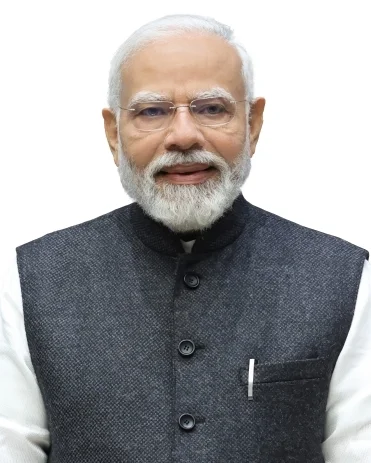
Prime Minister Narendra Modi condemned the “heartbreaking tragedy” in a statement, calling for a thorough inquiry into the incident. He announced an ex-gratia payment of Rs 2 lakh to each victim’s family, a standard compensation package for such incidents in India. “The government stands with the bereaved families and will ensure justice,” Modi said, urging states to review fire safety protocols. The announcement came hours after the fire, reflecting the government’s focus on public relations amid growing scrutiny of urban governance.
Delhi Chief Minister Arvind Kejriwal faced criticism for the delayed response, with opposition leaders accusing the administration of neglecting infrastructure maintenance. “This is not an isolated incident. Our cities are crumbling under the weight of poor planning,” said Congress leader Manish Tewari. The government has pledged to inspect 500 high-rise buildings across Delhi in the coming weeks, though activists argue such measures are reactive rather than preventive.
Context of Urban Safety in Delhi

Delhi, home to over 30 million people, has long struggled with overcrowding, informal housing, and inadequate emergency services. The city’s rapid expansion has led to a proliferation of poorly regulated residential complexes, particularly in areas like Palam, where informal settlements often lack basic amenities. According to a 2022 report by the Indian Institute of Technology Delhi, 60% of the city’s buildings do not meet fire safety standards.
Previous disasters, such as the 2019 Daryaganj building fire that killed 14 people, highlighted similar vulnerabilities. Despite subsequent policy reforms, enforcement remains inconsistent. The Palam incident has intensified calls for stricter regulations, including mandatory fire drills and installation of sprinkler systems in multi-story buildings. “This is a wake-up call for policymakers,” said environmental expert Dr. Priya Seth. “Without systemic change, such tragedies will persist.”
Public and Political Reactions
The fire sparked widespread outrage on social media, with hashtags like #DelhiFire and #JusticeForPalam trending. Citizens demanded accountability, while local leaders organized relief drives. NGOs distributed food and medical supplies to affected families, but many criticized the government’s slow initial response. “The real test is not the compensation but the reforms that follow,” said Aarav Mehta, a Delhi-based human rights advocate.
Politically, the incident has become a flashpoint. The ruling BJP blamed previous administrations for neglecting urban infrastructure, while the opposition accused the current government of failing to address systemic issues. Analysts note that Modi’s personal involvement in the crisis could bolster his image as a leader responsive to public concerns, but it may also draw scrutiny over broader governance challenges.
Implications for Urban Policy
The Palam fire is likely to accelerate debates over urban planning and safety in India. Experts recommend integrating fire resilience into building codes and increasing funding for emergency services. However, implementation remains a hurdle, with states often prioritizing development over regulation. The government’s emphasis on “smart cities” has not yet translated into tangible improvements in safety standards.
For the U.S., the incident highlights the complexities of urban governance in emerging economies, a topic of interest in bilateral discussions on infrastructure and climate resilience. While Modi’s leadership and Delhi’s challenges are distinct from U.S. contexts, the fire underscores shared global concerns about balancing growth with public safety. As Delhi grapples with its aftermath, the world will be watching how it addresses these urgent issues.