The Portuguese Communist Party (PCP) has called for government intervention to regulate and fix fuel prices, citing an "operation of speculation" as the cause of recent price hikes. This move could have significant implications for both the Portuguese economy and the energy sector.
PCP Identifies Speculation in Fuel Market
The PCP argues that the current pricing mechanism for fuels in Portugal is being manipulated by speculative operations, leading to increased costs for consumers and businesses alike. The party's stance is based on recent price increases observed across various fuel types, which they believe do not reflect the underlying economic fundamentals.
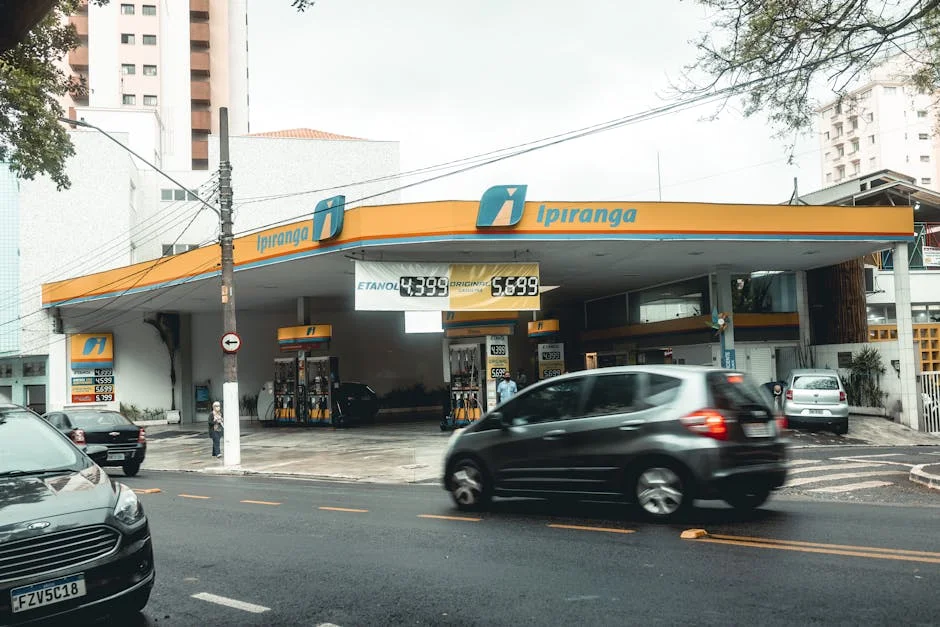
In a statement released earlier this week, the PCP emphasized that the recent spike in fuel prices has had a disproportionate impact on low-income households and small businesses, which rely heavily on affordable transportation and energy costs to sustain their operations.
Economic Impact on Businesses and Consumers
The rise in fuel prices is likely to affect the broader Portuguese economy, as higher costs for transportation and energy can reduce disposable income for consumers and increase operating expenses for businesses. This scenario could dampen consumer spending and potentially slow down economic growth in the coming months.
Moreover, the increased cost of doing business may prompt companies to pass on some of these expenses to customers through higher product prices, further straining household budgets and potentially leading to inflationary pressures.
Government's Role in Regulating Fuel Prices

The PCP’s call for government intervention highlights a potential shift in policy towards more direct control over fuel prices. In the past, Portugal has allowed market forces to determine fuel prices, but the current situation may prompt policymakers to consider alternative approaches to ensure stability and affordability.
If the government were to implement fixed prices for fuels, it would need to balance the interests of consumers with those of the energy sector and international trade agreements. Such a measure could also influence how other European countries manage their fuel pricing mechanisms.
Market Reactions and Investor Perspective
The proposed regulation of fuel prices has already sparked interest from investors and financial analysts, who are watching closely to see how the government will respond. Any changes to the pricing model could affect the profitability of oil companies operating in Portugal and influence their investment decisions moving forward.
Furthermore, the potential for government intervention in the fuel market could set a precedent for other industries, signaling a willingness to use regulatory measures to address perceived market imbalances.
Looking Ahead: What to Watch Next
The next steps will be crucial in determining the outcome of the PCP’s demand for fuel price regulation. Investors and market participants will be paying attention to any policy announcements from the Portuguese government, as well as the reactions of major oil companies and consumer groups.
Additionally, the effectiveness of any new pricing mechanisms will depend on how they are implemented and whether they can achieve the desired outcomes of stabilizing fuel prices and supporting economic growth.