Morocco has emerged as the top arms importer in Africa, according to a recent report, marking a significant shift in the region's defence landscape and potentially impacting its strained relationship with neighbouring Algeria.
Rising Military Expenditure in Morocco
The report highlights that Morocco’s military expenditure has been steadily increasing over the past decade, driven by a desire to modernise its armed forces and enhance its regional influence. This trend has seen Morocco surpass other African nations in terms of arms imports, making it the continent’s largest buyer of weaponry.
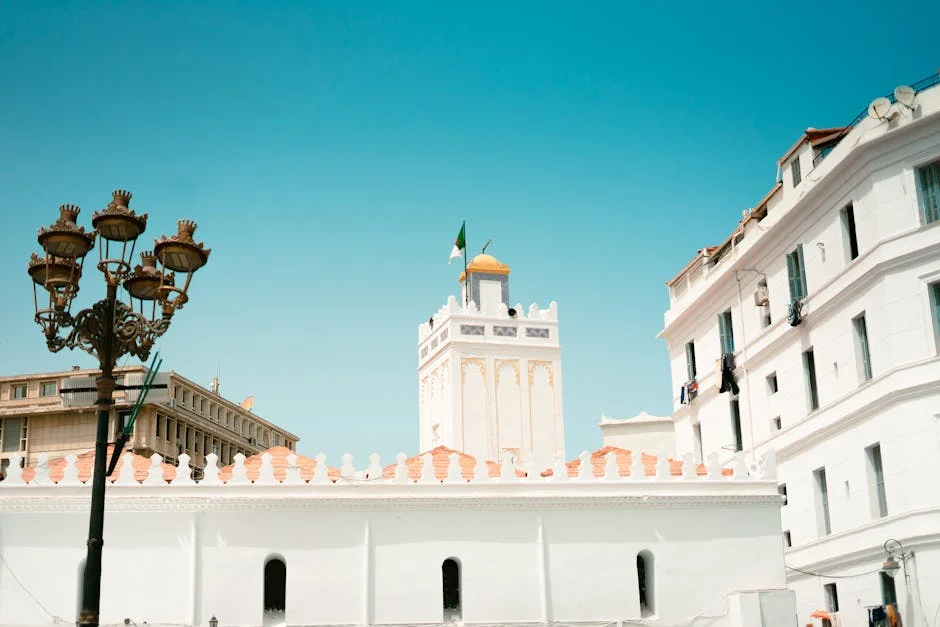
Analysts suggest that this increased military spending is partly due to geopolitical tensions with Algeria, as both countries have historical disputes over borders and water rights. The heightened military presence and modernisation efforts in Morocco reflect its strategic ambitions in the Maghreb region.
Economic Implications for Arms Suppliers
The rise of Morocco as a major arms importer offers significant opportunities for international arms manufacturers and exporters. Countries such as France, which has traditionally supplied a large portion of Morocco’s military equipment, stand to benefit from increased orders. This could lead to stronger trade relationships and potentially more robust economic ties between Morocco and its key suppliers.
In addition to direct sales, the influx of foreign military technology can stimulate local manufacturing and research and development sectors in Morocco. This could contribute to long-term economic growth and diversification within the country.
Impact on Regional Stability and Trade

The increase in Morocco’s arms imports may have implications for regional stability and trade. While Morocco and Algeria share a border and are economically interdependent, their relationship has been marked by periodic tension and occasional diplomatic spats. The enhanced military capabilities of Morocco might serve as a deterrent against potential conflicts but could also create an atmosphere of heightened competition and rivalry.
From an economic standpoint, any disruption in relations between Morocco and Algeria could impact cross-border trade and investments. Both countries are important players in North African commerce, and a stable relationship is crucial for maintaining free flow of goods and services across the region.
Investment Perspectives for North Africa
The growing importance of Morocco as an arms importer presents attractive investment opportunities for both domestic and international investors. The defence sector is often a key indicator of a nation’s economic health and strategic priorities, and increased military spending can signal a robust and expanding economy.
Investors may find opportunities in Moroccan defence contractors, logistics providers, and related industries. Additionally, the strengthening of Morocco’s military capabilities could enhance its attractiveness as a destination for foreign direct investment, particularly in areas such as energy, telecommunications, and tourism.
Global Market Reactions
The news of Morocco becoming Africa’s top arms importer has sparked interest among global market watchers. Investors are paying close attention to how this development might affect trade patterns, geopolitical dynamics, and economic prospects in the region.
Financial analysts note that the increased military expenditure in Morocco could lead to higher demand for certain commodities and services, such as steel, electronics, and advanced manufacturing technologies. This could benefit companies operating in these sectors and potentially drive up stock prices.
The report also suggests that the rise of Morocco as a leading arms importer may influence global defence trends and supply chains, potentially reshaping the competitive landscape for multinational arms manufacturers and exporters.
Conclusion
Morocco’s ascension to the top spot in Africa’s arms imports reflects broader shifts in the region’s geopolitical and economic dynamics. This development not only underscores Morocco’s growing military strength but also opens new avenues for economic growth and investment. As Morocco continues to modernise its armed forces, it will likely strengthen its position in the Maghreb and beyond, potentially reshaping the contours of regional and global trade and security landscapes.