Michael Kugelman, a renowned South Asia expert, has issued a cautionary note to India regarding its delicate balancing act in the Middle East, particularly concerning Iran. His warning comes at a time when geopolitical tensions in the region could have significant ripple effects on global markets and international trade.
Delhi’s Strategic Position in the Middle East Comes Under Scrutiny
India's strategic position as a major player in the Middle East has been increasingly important for both its economic interests and regional stability. However, recent geopolitical developments, especially those involving Iran, have put pressure on India to navigate a complex web of alliances and conflicts.
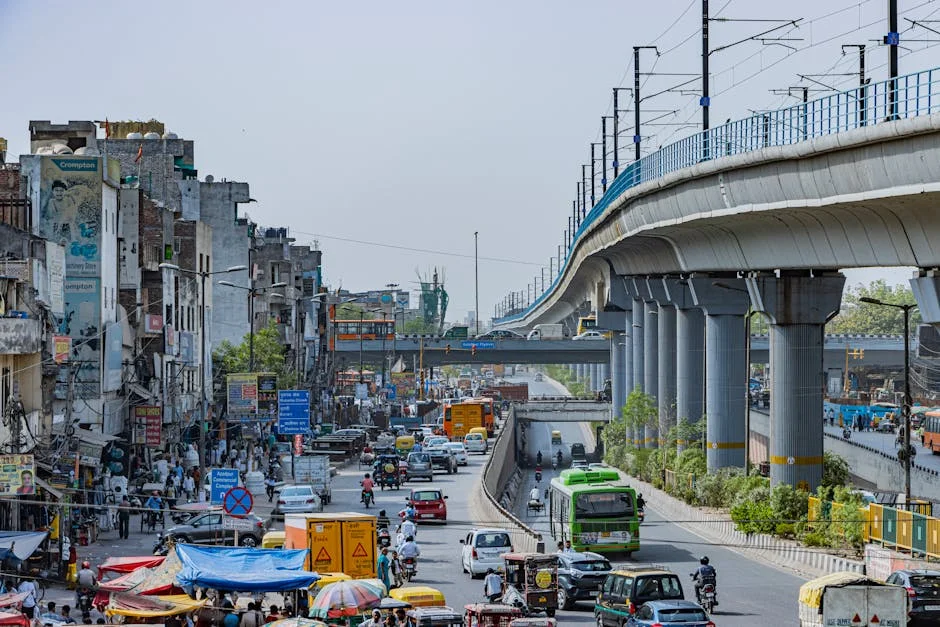
According to Michael Kugelman, Director of the Wilson Center's Asia Program, India's efforts to maintain good relations with both Iran and its other Gulf partners, while also managing its differences with traditional ally Saudi Arabia, is a challenging task. This balancing act could have far-reaching consequences for the global economy and international trade.
The Impact on Global Markets and Trade
Kugelman's warning highlights the interconnectedness of the global economy and how shifts in one part of the world can affect markets and trade flows globally. For instance, any disruption in the flow of goods from the Persian Gulf to India could have a significant impact on the prices of oil and other commodities, which would then ripple through to global markets.
Furthermore, India's trade relationships with Iran and other Gulf states are crucial not just for its energy needs but also for its manufacturing and services sectors. Any changes in these relationships could affect the supply chains that support these industries, potentially leading to increased costs and reduced efficiency.
Economic Data and Market Reactions
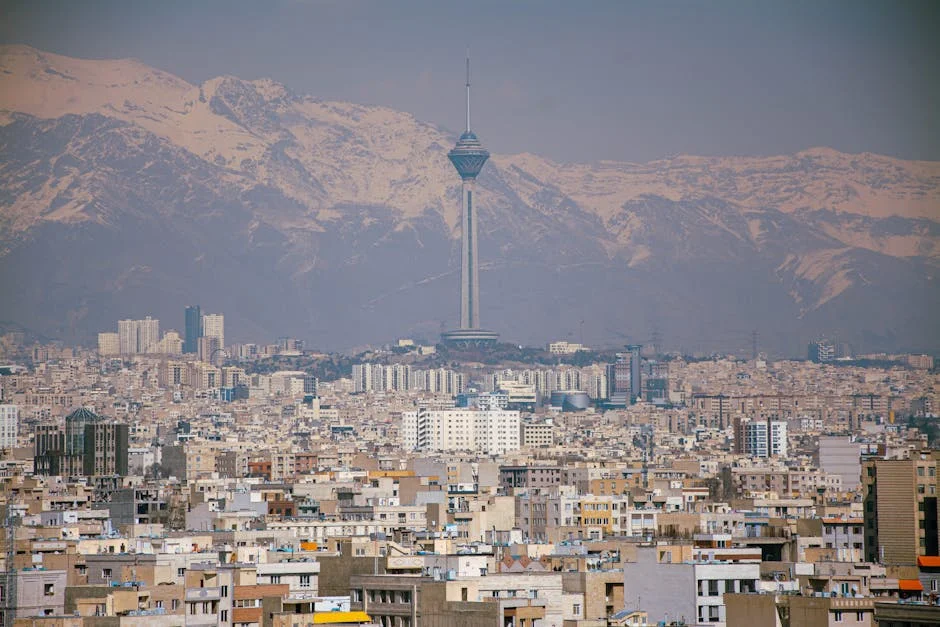

Data from the International Monetary Fund shows that India's GDP growth rate has been closely linked to its trade performance. In 2021, India's GDP grew by 8.7%, largely due to a rebound in domestic demand and robust exports. However, any disruptions to trade routes or changes in diplomatic relationships could affect this growth trajectory.
In addition, financial markets have shown sensitivity to geopolitical events in the Middle East. For example, during periods of heightened tension, such as the 2019 attack on Saudi Arabian oil facilities, global stock markets experienced volatility. Similarly, any changes in India's relationship with Iran or other Gulf states could lead to similar market reactions.
Business Implications for Indian Companies
The potential for change in India's geopolitical landscape has significant implications for Indian companies operating in the Middle East. Companies such as ONGC Videsh Ltd., which operates in Iran, and Tata Steel, which has investments in the Gulf, may face challenges if there are changes to trade agreements or political relationships.
Moreover, the success of India's 'Make in India' initiative, which aims to boost domestic manufacturing and export capacity, could be affected by any changes in its trading relationships with the Middle East. The availability of raw materials and access to markets are critical factors for the success of this initiative.
Investment Perspective and What to Watch Next
For investors, the situation in the Middle East presents both risks and opportunities. On one hand, geopolitical instability could lead to higher risk premiums for investments in the region. On the other hand, any positive developments in India's relationships with Iran and other Gulf states could lead to new investment opportunities, particularly in the energy and infrastructure sectors.
As Michael Kugelman noted, the key will be for India to continue to balance its relationships carefully, ensuring that it maintains strong ties with all its partners in the region. This will require diplomatic skill and an understanding of the complex interplay between politics and economics.