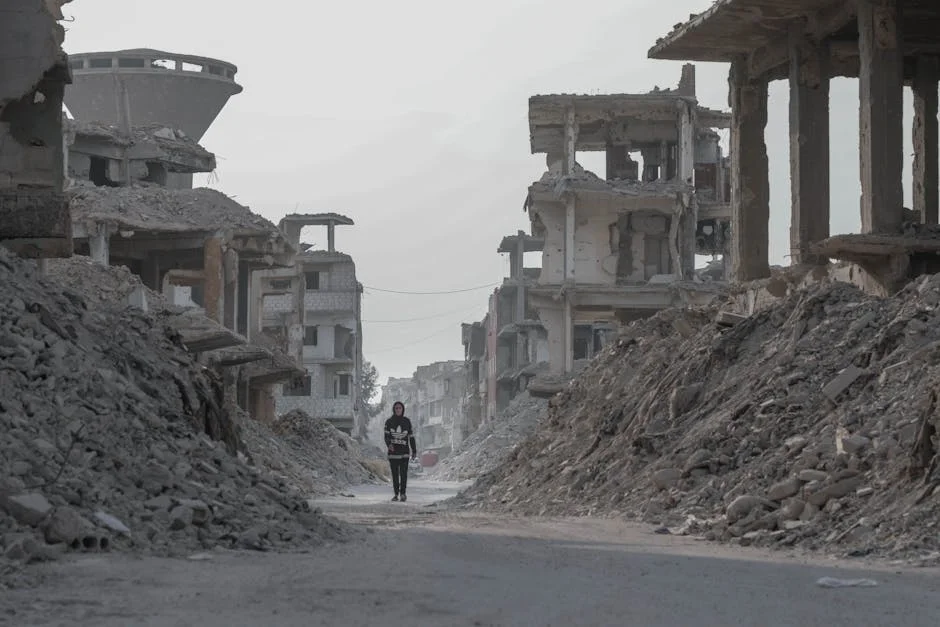
The ongoing conflict in Iran has triggered significant market fluctuations, directly influencing energy prices and affecting household budgets across the US. As tensions escalate in the Middle East, investors and economists are closely monitoring how geopolitical instability impacts global supply chains and inflation trends. This development underscores the interconnectedness of regional conflicts and economic stability.
Energy Markets Under Pressure
Iran’s strategic position as a major oil exporter means disruptions in the region ripple through global markets. Recent data shows Brent crude prices surged by 4% this week, reflecting concerns over potential supply shortages. Analysts note that the Middle East accounts for nearly 30% of global oil production, making it a critical fulcrum for price stability. This volatility has already led to higher costs for consumers, with average gasoline prices in the US rising to $3.75 per gallon.

The conflict also highlights the broader significance of the Middle East in global economics. Historically, the region has been a flashpoint for energy-related disputes, from the 1973 oil crisis to recent OPEC+ negotiations. Today, with geopolitical alliances shifting, the Middle East’s ability to maintain stable output remains a key factor in preventing further inflationary pressures. For businesses reliant on energy, this means increased operational costs and potential price hikes for goods and services.
Investor Sentiment and Economic Outlook
Investors are recalibrating portfolios amid the uncertainty, with energy sector stocks showing mixed performance. Companies in the US energy sector saw a 2.5% drop in share prices last week, while international firms with Middle East operations gained 1.8%. This divergence reflects growing concerns about long-term economic growth, as energy costs directly affect corporate margins and consumer spending power.
Economic indicators suggest that the US may face a dual challenge: rising energy prices alongside persistent inflation. The Federal Reserve has signaled it will monitor these trends closely, with some analysts predicting a potential delay in rate cuts. For households, this means higher utility bills and increased costs for essentials like groceries, which often correlate with energy price movements.
Business Implications and Consumer Impact


Businesses across sectors are adjusting to the shifting economic landscape. Retailers, for instance, are reporting early signs of price increases on goods transported via energy-dependent supply chains. Manufacturing sectors, particularly those using plastics and chemicals, are also feeling the pinch, with input costs rising by 3-5% in recent months. These adjustments could lead to broader inflationary pressures if not managed carefully.
For investors, the Middle East’s role as a geopolitical and economic linchpin offers both risks and opportunities. While energy stocks remain a key focus, analysts are also watching emerging markets in the region for long-term growth potential. This dynamic underscores why Iran and the Middle East continue to matter in global economic discussions, as their stability directly influences trade, investment, and consumer confidence.
Looking Ahead: What to Watch
Market watchers are closely following developments in Iran and the broader Middle East for signs of resolution. Any easing of tensions could stabilize energy prices, while prolonged conflict might push inflation higher. Additionally, the outcome of upcoming OPEC+ meetings will be critical in determining how global supply balances are maintained.
For US consumers, the immediate impact is felt in everyday expenses, from fuel costs to grocery bills. Over the next quarter, economists expect these trends to shape the broader economic narrative, influencing everything from job growth to interest rate decisions. As the world’s largest economy, the US will continue to be a key barometer of how regional conflicts translate into global economic shifts.