As the world braces for the 2026 El Niño phenomenon, forecasts indicate that India is particularly vulnerable to severe heatwaves and disruptions in monsoon patterns. This climatic event, expected to intensify global weather patterns, raises significant concerns for India's agricultural sectors and overall economic stability.
El Niño's Impact on India's Weather Patterns
The El Niño effect, characterized by the warming of ocean waters in the central and eastern Pacific, is projected to lead to extreme weather conditions across the globe. In India, the Meteorological Department has already issued warnings about potential heatwaves and erratic rainfall during the crucial monsoon season, which typically runs from June to September. This year, the onset of El Niño is expected to cause temperatures to soar, with some regions forecasted to experience temperature increases of up to 5°C.
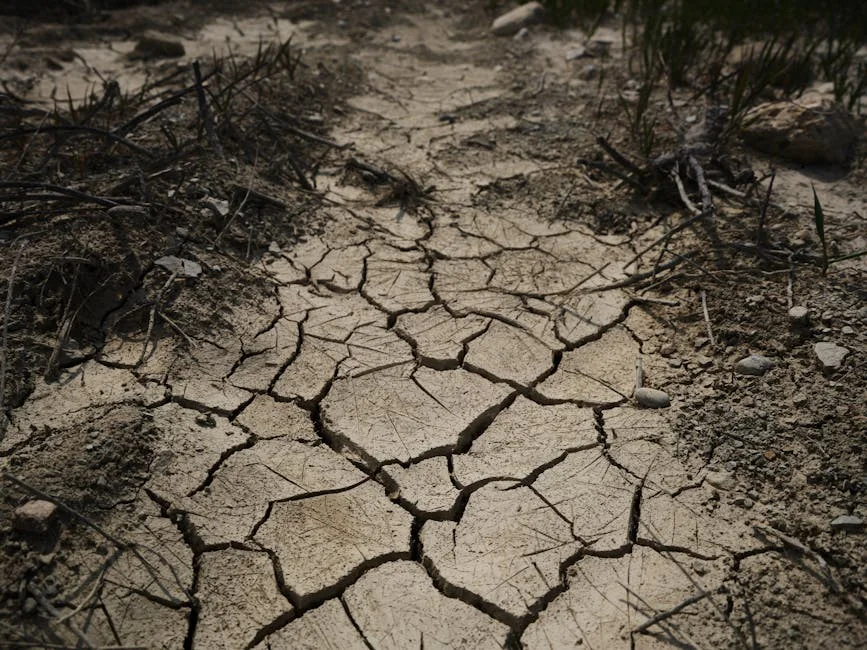
Experts have highlighted that the changes in precipitation patterns could lead to significant disruptions in the monsoon, which is vital for India’s agricultural productivity. Agriculture constitutes about 15% of India's GDP and employs nearly half of the country’s workforce, making it a critical component of the economy.
Economic Consequences for Agriculture and Food Security
With the looming threat of heatwaves and monsoon irregularities, India's agricultural sector may face severe challenges. Crop yields could be adversely affected, leading to reduced production of staple foods like rice, wheat, and pulses. This situation is particularly alarming given that India is a significant player in the global food supply chain, and any disruptions could have cascading effects worldwide.
Moreover, a decline in agricultural output could drive food prices higher, exacerbating inflationary pressures within the Indian economy. The Reserve Bank of India has already been monitoring inflation closely, and any spike in food prices could complicate monetary policy decisions.
Market Reactions and Investor Sentiment


Investors are closely watching the developments surrounding El Niño, as the implications for agriculture extend beyond India. Indian stocks in the agricultural sector may face volatility, and commodities such as wheat and rice could see price fluctuations in global markets. Analysts suggest that businesses reliant on agricultural commodities should brace for potential supply chain disruptions.
The financial market’s reaction to extreme weather forecasts has historically been significant. As India is one of the largest agricultural producers globally, a downturn in production could lead to increased demand for imports, affecting foreign exchange rates and investment flows.
What to Watch Next: Government Responses and Global Implications
The Indian government is expected to implement measures aimed at mitigating the adverse effects of El Niño, potentially including subsidies for farmers and increased investment in irrigation projects. However, the success of these initiatives will depend on the severity of the weather impact and the government's ability to mobilize resources efficiently.
Additionally, global stakeholders should monitor how India's response to El Niño influences international markets and supply chains. As the nation grapples with these climatic challenges, the interconnectedness of global economies means that the repercussions will likely be felt far beyond its borders.