The Full Strawberry Moon will reach its peak illumination tonight, offering skywatchers across the United States a chance to witness one of the year's most photographed lunar events. The moon will appear full for approximately three days surrounding its peak, from Tuesday evening through Friday morning, according to NASA.
A Brief Celestial Window
Full moons occur when the moon sits opposite the Earth from the Sun, with its fully illuminated face visible from our planet. Tonight's event takes its popular name from Native American traditions, which tracked seasons by naming each month's full moon. June's moon earned the "strawberry" label because it traditionally marked the peak of strawberry harvesting season in northeastern North America.
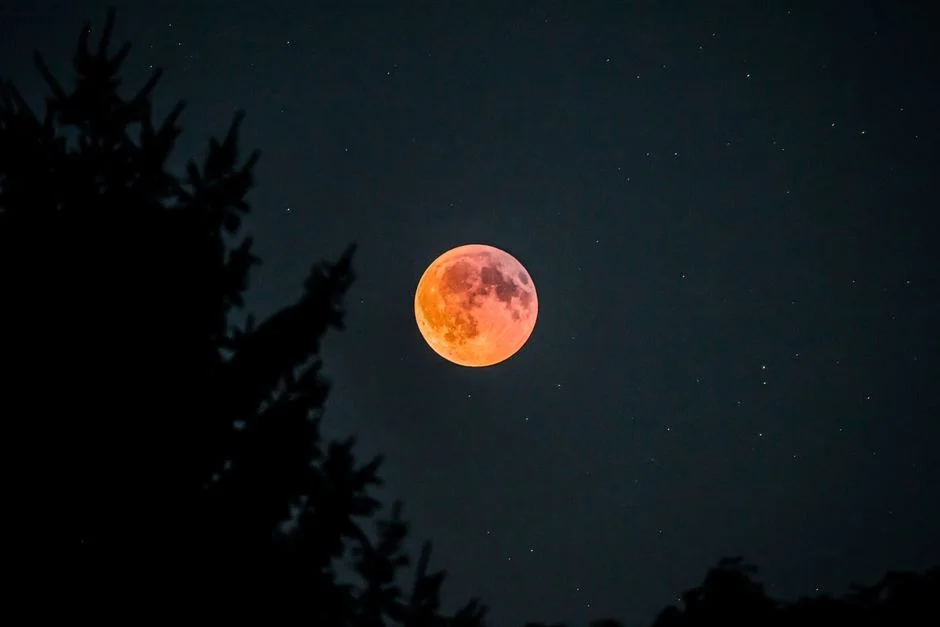
The Old European name for this moon was the Honey Moon, a term that survives in the modern tradition of June weddings. The combination of the full moon's brightness and the beginning of summer made June the preferred month for marriages, giving rise to the phrase still used today.
Viewing Conditions Across America
Weather permitting, the moon will be visible across all 50 states. Observers on the East Coast should look eastward starting around sunset, when the moon rises near the horizon and appears larger due to the well-known "moon illusion" effect. The best viewing window runs from approximately 8:30 PM local time until the moon sets in the west near sunrise.
No special equipment is required. Unlike meteor showers or planetary conjunctions, full moons require nothing more than dark skies and an unobstructed view of the horizon. City dwellers may want to find a park or elevated position away from tall buildings to catch the moon rising.
The Science of the Moment


Astronomers note this month's full moon occurs while the moon sits at apogee, the point in its elliptical orbit farthest from Earth. This makes the moon appear slightly smaller than average, though the difference is imperceptible to casual observers. The term for this smaller, distant full moon is sometimes called a "micro moon" or "minimoon."
The moon reaches peak illumination at 11:08 PM Eastern Time on Wednesday night, astronomers confirmed. At that moment, the lunar surface receives direct sunlight at a 180-degree angle from Earth's position, creating the characteristic fully lit disc that has guided human calendars and folklore for millennia.
Why the Name Persists
The Algonquin tribes of the northeastern United States first used the Strawberry Moon name, recognizing it coincided with the brief window when wild strawberries reached their ripest and most abundant. European colonists adopted many Native American full moon names, blending them with their own traditions to create the naming conventions most Americans use today.
Unlike astronomical events that require specific timing or equipment, the Strawberry Moon has remained accessible to everyone from city rooftops to rural fields. Its cultural significance extends beyond Native American traditions into photography, literature, and contemporary social media, where moon images consistently generate high engagement.
What Comes Next
After tonight's peak, the Buck Moon will rise on July 21, named for the antlers male deer grow during summer months. Skywatchers who miss tonight's event will have another chance to photograph a full moon rising next month, though the Strawberry Moon's summer timing and honey-coloured appearance give it a distinct character that distinguishes it from later full moons.
Those hoping to capture photographs of the moon should use a smartphone's night mode if available, or a camera with manual settings and a tripod. The best shots come when the moon sits low on the horizon, as its warm colour and proximity to earthly landmarks create more dramatic images than shots taken when the moon is overhead.
See Also
- Lyle Foster Booed After Missing Penalty in Bafana's Stalemate with Nicaragua
- Royal Commission Reveals Abuse of Jewish Musicians Over Zionism
Its cultural significance extends beyond Native American traditions into photography, literature, and contemporary social media, where moon images consistently generate high engagement.What Comes NextAfter tonight's peak, the Buck Moon will rise on July 21, named for the antlers male deer grow during summer months. See AlsoLyle Foster Booed After Missing Penalty in Bafana's Stalemate with NicaraguaRoyal Commission Reveals Abuse of Jewish Musicians Over Zionism