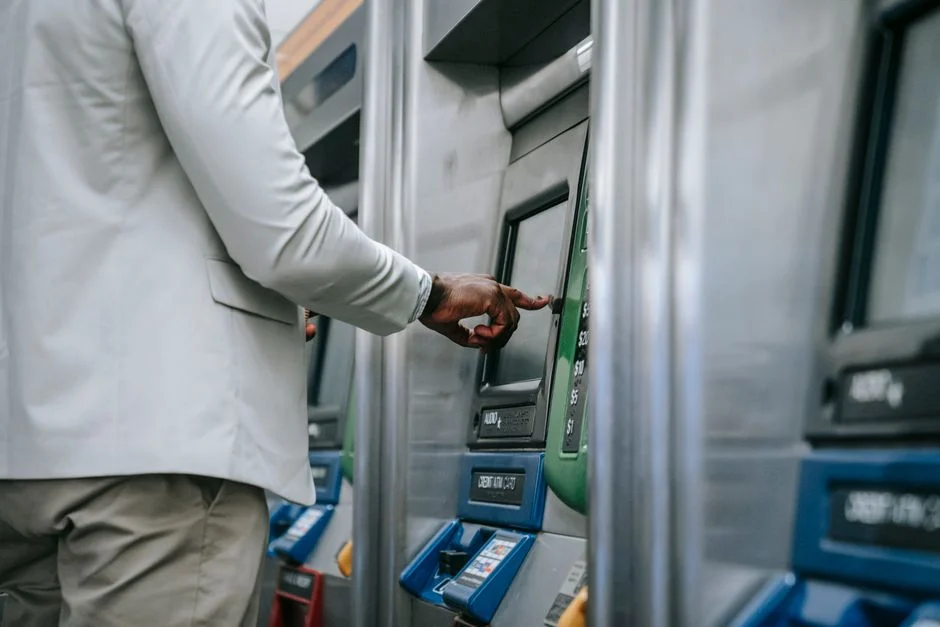
South Africa's telecommunications regulator has ordered all mobile network operators to verify and reregister SIM cards belonging to roughly 8 million users who provided incomplete or unverified identity information during previous registration drives. The Independent Communications Authority of South Africa issued the directive on Tuesday, giving users until December to comply or risk having their lines disconnected. The move comes as state power utility Eskom, separately, appealed to the government for emergency financial support to address rolling blackouts that have crippled economic activity across the country.
SIM Registration Crackdown Begins
The telecommunications authority confirmed that network operators including MTN, Vodacom, and Cell C must contact affected subscribers within 60 days. Users who fail to complete the verification process by the December deadline will have their services suspended immediately. The regulator stated that the initiative aims to combat fraud, streamline national identity databases, and ensure mobile services remain available to legitimate users only. Officials emphasised that the process can be completed online or at designated retail outlets across all nine provinces.

Why This Matters for Millions
South Africa has one of the highest mobile penetration rates on the continent, with more than 100 million active SIM cards in circulation. Industry analysts warn that the disconnection of 8 million lines could temporarily disrupt communication for vulnerable communities, small businesses, and workers who rely on mobile services as their primary means of connectivity. The Cellular Industry Association said it was working with operators to minimise disruption and that grace periods would be considered for users in rural areas with limited access to registration facilities.
Operators Face Compliance Pressure
MTN South Africa confirmed it had already begun sending SMS notifications to affected customers in Johannesburg, Cape Town, and Durban. Vodacom said it had set up additional verification points at shopping centres and mobile units in the Eastern Cape and KwaZulu-Natal. Both companies risk fines from the regulator if they fail to meet the December cutoff date.
Eskom's Plea for Help

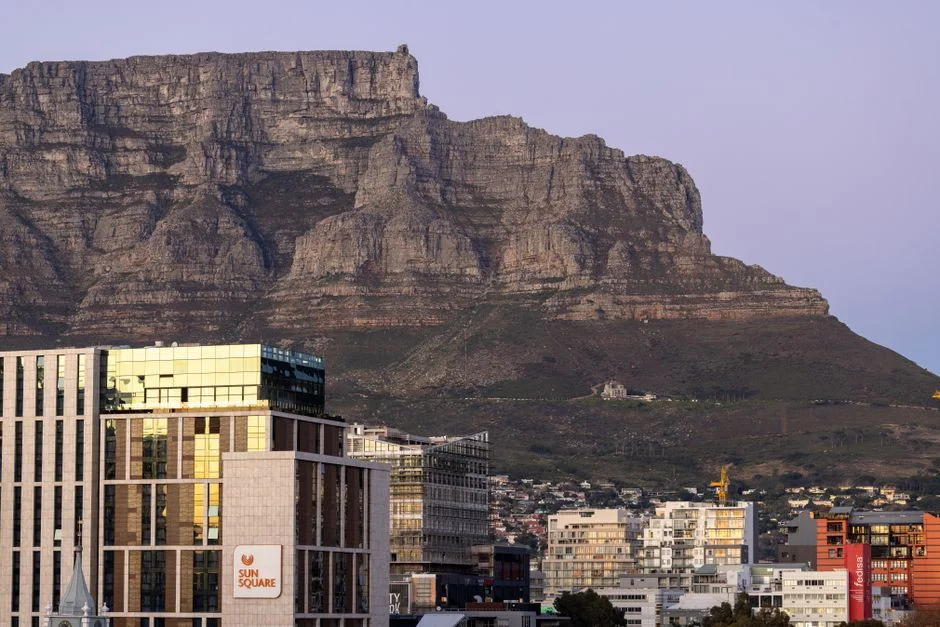
While the telecommunications sector faces upheaval, Eskom presented a grim picture to parliamentarians in Cape Town this week. The state-owned utility, which has recorded four consecutive years of financial losses, told lawmakers it requires at least 23 billion rand in emergency funding to maintain operations through the end of the fiscal year. Without the bailout, Eskom warned it would struggle to purchase enough coal and diesel to keep its fleet of aging power stations operational. The utility generates roughly 95 percent of South Africa's electricity and has implementedscheduled power cuts on more than 60 occasions this year alone.
Roots of the Dual Crisis
The SIM card enforcement follows years of inconsistent registration practices that date back to 2016, when authorities first mandated national subscriber verification. Gaps in the system allowed thousands of SIMs to remain active without proper identity documentation, creating vulnerabilities that criminals have repeatedly exploited for organised fraud and identity theft. Eskom's predicament, meanwhile, stems from decades of underinvestment, management turmoil, and corruption during the administration of former president Jacob Zuma, whose tenure ended in 2018. The utility currently carries debt of more than 400 billion rand, a burden that has forced successive governments to choose between bailouts and allowing widespread electricity shortages.
Government Response and Political Fallout
The Ministry of Communications declined to comment on whether additional funding would be allocated to assist operators with outreach efforts. The Ministry of Public Enterprises, responsible for overseeing Eskom, acknowledged receipt of the utility's funding request but said a cabinet review would not conclude until next month. opposition parties in parliament accused the government of managing both crises reactively rather than preventing them. The Democratic Alliance called Eskom's situation a national emergency, while the Economic Freedom Fighters demanded an independent forensic investigation into procurement contracts at the power utility.
What to Watch Next
The next 90 days will test whether regulators and operators can execute the largest SIM verification campaign in South African history without alienating millions of subscribers. Eskom is scheduled to present its recovery plan to the cabinet by October 15. If funding is approved, the utility has promised to reduce planned outages by 30 percent before the southern hemisphere summer. If it is not, analysts at Nedbank forecast that unscheduled power cuts could shave 1.5 percentage points off GDP growth in 2025. Households and businesses should monitor operator communications for specific reregistration instructions and deadlines applicable to their region.
See Also
- Telkom Confirms R12 Billion Network Overhaul — Rural Coverage to Double by 2026
- Cape Town Launches R576 Million Housing Project — Who Gets In