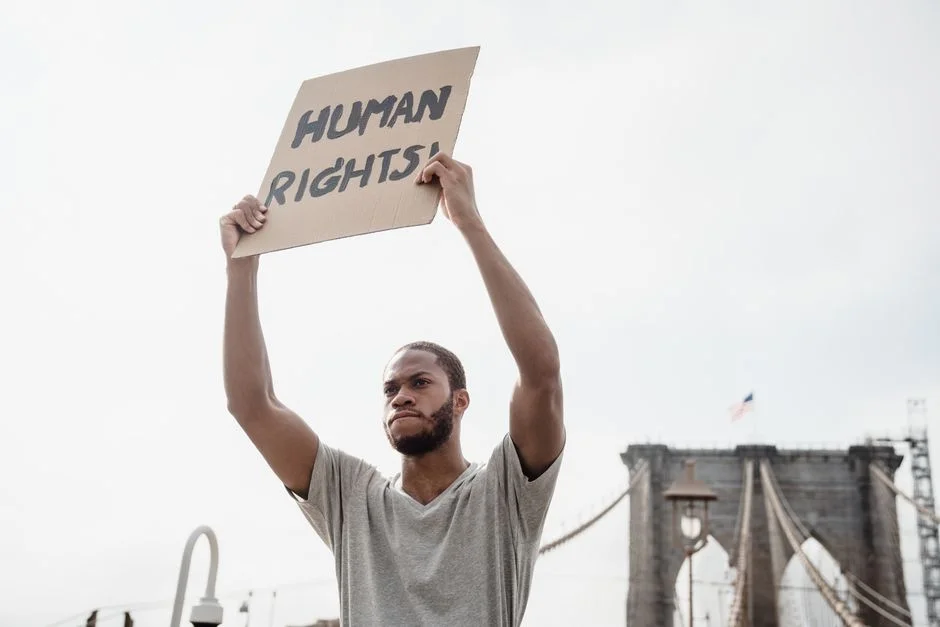
Police in South Africa's KwaZulu-Natal province have confirmed detailed security arrangements ahead of planned demonstrations in Durban on June 30. The protests, organised by a group identifying as March, are expected to draw thousands to the city's central business district. Authorities say they have been in contact with organisers for weeks to ensure the events proceed without violence.
Police Confirm Security Blueprint
The KwaZulu-Natal Directorate for Priority Crime Investigation confirmed on Wednesday that officers would be deployed at major intersections and transport hubs throughout the city. Senior police officials held a briefing at the Durban central command centre, outlining measures that include additional patrol units and traffic management teams. The force has asked residents to avoid the city centre during peak afternoon hours.
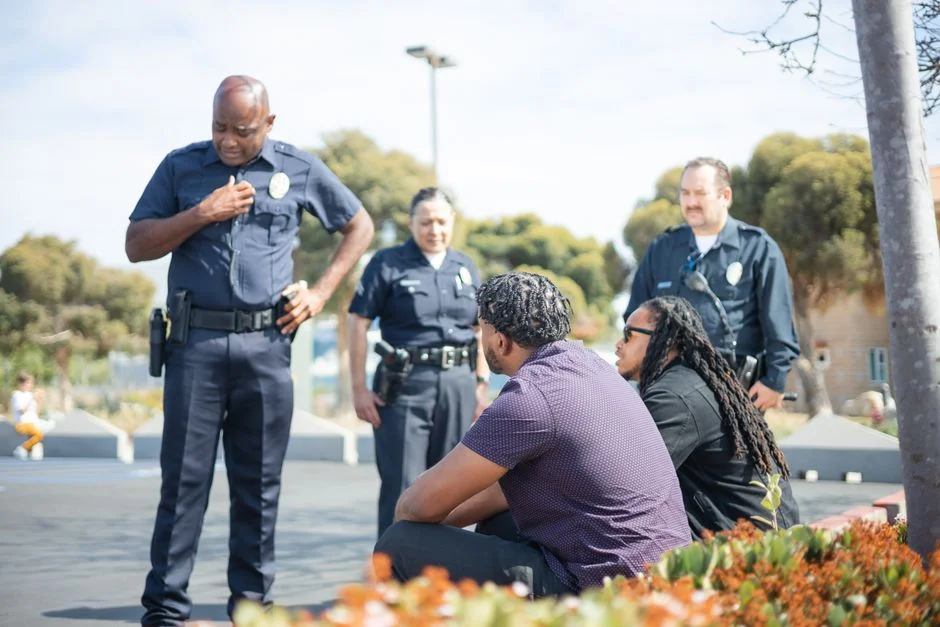
Police spokesman Major General Thembeka Gwala addressed reporters at the briefing. She said officers would maintain a visible presence but would not intervene unless protesters crossed legal boundaries. "Our role is to facilitate lawful assembly, not to obstruct it," she stated. The Directorate has instructed officers to adopt a de-escalation approach rather than immediate confrontation with demonstrators.
Organisers Insist on Peaceful Message
Representatives of March told local media they expect participation from multiple provinces, with buses arriving from Pietermaritzburg, Richards Bay, and the southern townships. The group released a statement confirming its commitment to non-violence, emphasising that participants have been briefed on conduct expectations. March's leadership has demanded written guarantees from police regarding protester safety.
The organisation's spokesperson, who declined to be named ahead of the event, explained the rationale behind the June 30 date. "This is not a spontaneous gathering. We have submitted our notification within the required timeframe, and we expect the law to protect us as it protects any other citizens," the statement read. organisers have indicated the protest will conclude by evening, with marshals posted along the route to maintain order.
Durban Prepares for Disruption


City officials acknowledged the logistical challenges posed by large-scale demonstrations. The Durban Metropolitan Transport Authority announced temporary route adjustments for bus services operating through the protest corridor. Several businesses in the affected area told reporters they would close early or adjust staffing to accommodate expected road closures.
The eThekwini Municipality urged residents to plan alternative travel arrangements. A notice published on the municipal website advised commuters to use the Port of Durban harbour route as an overflow corridor. Local hospitals within five kilometres of the protest zone have been asked to prepare for increased emergency department attendance, though officials said they do not anticipate mass casualties.
Legal Framework for Public Gatherings
South Africa's Constitution protects the right to peaceful assembly, and the Gatherings and Demonstrations Act sets out notification requirements for organisers. March submitted its notice to police on June 15, well within the mandatory fourteen-day window. The law prohibits gatherings within 100 metres of courts, prisons, or parliament buildings during sitting days.
Legal analysts have noted that authorities cannot refuse permission for a peaceful demonstration outright. However, police may apply to a court for an interdict if they have credible evidence that violence is imminent. No such application had been filed as of Wednesday evening. The Independent Police Investigative Directorate confirmed it would deploy observers to monitor officer conduct during the event.
Context Behind the Demonstrations
March has emerged as an increasingly vocal critic of provincial governance over the past eighteen months. The group has previously organised smaller demonstrations in Pietermaritzburg and Newcastle, drawing between 800 and 1,200 participants according to police estimates. This will be the organisation's largest planned action to date.
At a community hall meeting in Umlazi last week, the group outlined grievances spanning service delivery failures, alleged corruption in municipal contracts, and energy infrastructure problems affecting the northern suburbs. Attendees at that meeting, estimated at 300 by local ward councillors, responded with calls for sustained pressure on officials. The June 30 protest is expected to amplify these demands in front of a broader audience.
What to Watch on June 30
Durban residents should anticipate significant traffic delays from midday onwards, with the main procession expected to reach the city centre by mid-afternoon. Police have promised real-time updates via social media channels, though internet connectivity in the CBD has been unreliable during previous large events. The N3 highway leading into the city may experience congestion as provincial participants arrive by road.
The outcome of the demonstrations will likely shape how March proceeds with future actions. If the event passes without major incident, organisers have hinted at a sustained campaign of rolling protests across KwaZulu-Natal through the second half of the year. Police have made no commitment regarding enhanced security measures beyond June 30. Both sides appear to be treating the day as a test of whether dialogue can replace confrontation.
See Also
- SC Braga Targets Europa League Glory With Proven Tactics
- South Africa Braces for Rain — Tuesday Brings Wet Weather to Eastern Cape