Durban Metro Police confirmed Thursday that a march scheduled for June 30 will proceed as planned, though authorities acknowledge one unresolved disagreement continues to cast doubt on how the event will unfold. The announcement comes after days of uncertainty surrounding the demonstration, with officials locked in discussions over logistics and public safety arrangements.
Metro Police Give Green Light
Senior officials within the Durban Metro Police confirmed the march would be permitted to take place on June 30, bringing relief to organisers who had spent weeks awaiting formal clearance. The department's spokesperson told reporters the decision followed a review of the route, security requirements, and crowd management protocols submitted by the demonstration's organisers. Metro Police confirmed they had conducted joint assessments with other emergency services to ensure adequate provisions would be in place for participants and bystanders alike.
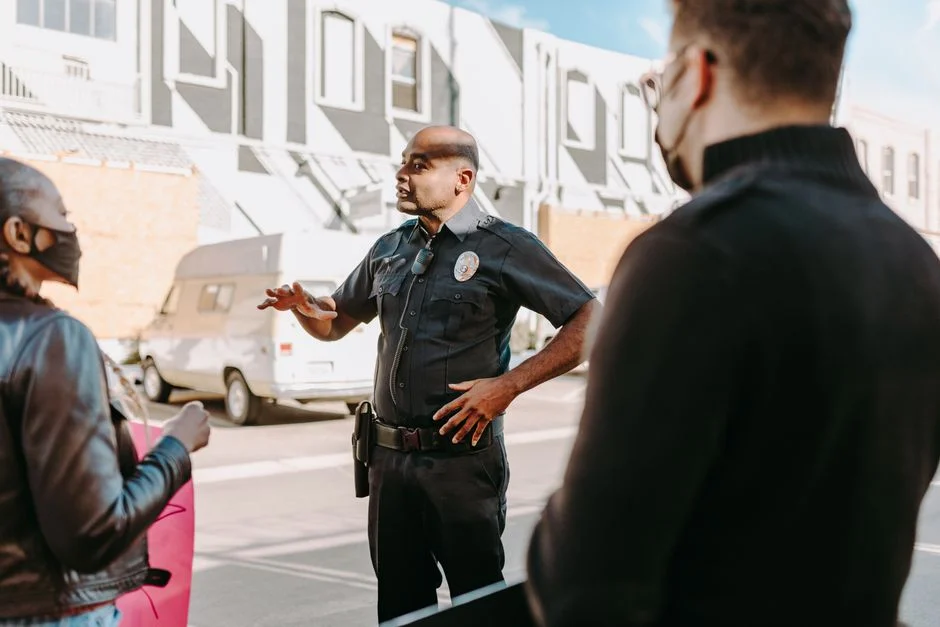
The June 30 demonstration marks one of several large public gatherings planned across the Durban metropolitan area over the coming weeks. Officials have faced mounting pressure to balance residents' rights to peaceful assembly against concerns from business owners and commuters worried about disruptions to daily life in the city centre.
The Sticking Point
Despite clearing the march, Metro Police acknowledged that one issue remains under discussion between their department and the organisers. While authorities declined to elaborate on the specific nature of the disagreement, local media reported the dispute centres on the termination point of the protest route and whether demonstrators would be permitted to occupy a major intersection near the civic precinct for an extended period. The route's final segment has been the subject of negotiations that officials described as ongoing rather than settled.
Organisers maintain they should be allowed to conclude the march at their intended location, arguing that the symbolic endpoint carries significance for participants. Metro Police have pushed for a modified finish that would disperse crowds more quickly and reduce pressure on surrounding streets. Both sides have agreed to meet again before June 30 in an attempt to reach a final resolution on this single remaining obstacle.
City Braces for Major Demonstration
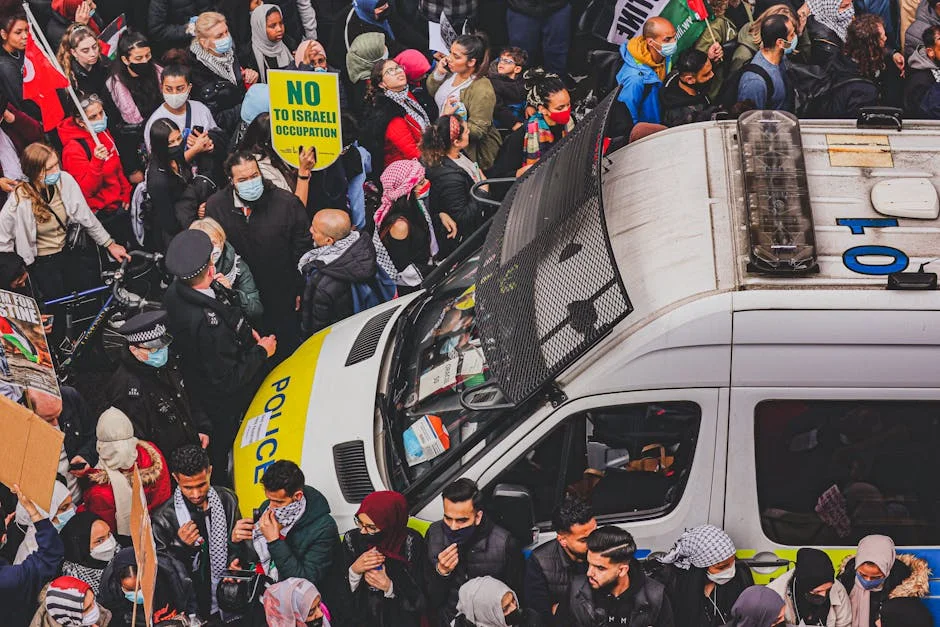
Durban's central business district is expected to experience significant traffic disruption on June 30, with authorities urging residents to plan alternative routes or work from home where possible. The municipal transport department announced it would deploy additional personnel to key intersections to manage congestion, while parking restrictions would be enforced along the approved march corridor beginning early that morning.
Business owners near the planned route expressed mixed reactions. Some welcomed the confirmation, saying advance notice allowed them to adjust operating hours and minimise financial losses. Others remained frustrated that the uncertainty had persisted for weeks, leaving them unable to make firm arrangements for their staff and customers. The Durban Chamber of Commerce called on both parties to reach a swift agreement on the remaining sticking point to provide clarity for the commercial community.
Safety Measures and Contingency Plans
Metro Police outlined several conditions attached to their approval, including caps on amplification equipment, designated marshals throughout the procession, and a commitment from organisers to ensure participants do not stray beyond the agreed route boundaries. Emergency medical teams will be positioned at three locations along the march corridor, with ambulance services on standby across the greater Durban area. Fire services have also been consulted regarding the placement of response units in case of any incidents requiring rapid intervention.
The authorities made clear that any violation of the agreed terms could result in the march being halted mid-procession. Officers emphasised their preference for allowing peaceful demonstration to continue uninterrupted, but warned that behaviour posing public safety risks would be addressed immediately and decisively. The approach reflects a broader shift in how Metro Police manage large gatherings, prioritising dialogue and advance planning over reactive enforcement.
Historical Context for Durban Demonstrations
Durban has a long history of public marches, with the city serving as a focal point for political and social activism throughout South Africa's modern era. The June 30 demonstration takes place against a backdrop of ongoing frustration over service delivery, employment opportunities, and housing backlogs that have driven repeated protests in townships across the KwaZulu-Natal province. While the specific grievances behind the upcoming march vary, organisers connect their cause to broader calls for governmental accountability and systemic reform.
Previous demonstrations in Durban have occasionally escalated beyond their intended scope, resulting in property damage and confrontations with security forces. The June 30 event will test whether the framework established between Metro Police and civil society groups in recent years can accommodate large-scale peaceful assembly without incident. Officials acknowledged that public trust in the process depends on both sides honouring their commitments in the days leading up to the demonstration.
What Happens Next
A final meeting between organisers and Metro Police is scheduled for June 27, three days before the scheduled start of the march. Both parties have committed to presenting revised proposals on the contested termination point, with municipal mediators standing ready to assist if direct negotiations stall. The outcome of those discussions will determine whether the June 30 event proceeds entirely as planned or whether last-minute adjustments become necessary.
Participants are advised to monitor official communications for updates in the lead-up to the demonstration. Metro Police confirmed they would issue a public advisory by June 28 confirming final arrangements, road closures, and any changes to the approved route. For now, the march is confirmed to go ahead, with resolution of the single outstanding issue the final piece of unfinished business before the event can be considered fully cleared.
See Also
- Portugal Launches New Seixal-Barreiro River Link in June
- US Housing Market Forces Renters to Reconsider Buying Amid Rate Hikes
Emergency medical teams will be positioned at three locations along the march corridor, with ambulance services on standby across the greater Durban area. The approach reflects a broader shift in how Metro Police manage large gatherings, prioritising dialogue and advance planning over reactive enforcement.Historical Context for Durban DemonstrationsDurban has a long history of public marches, with the city serving as a focal point for political and social activism throughout South Africa's modern era.