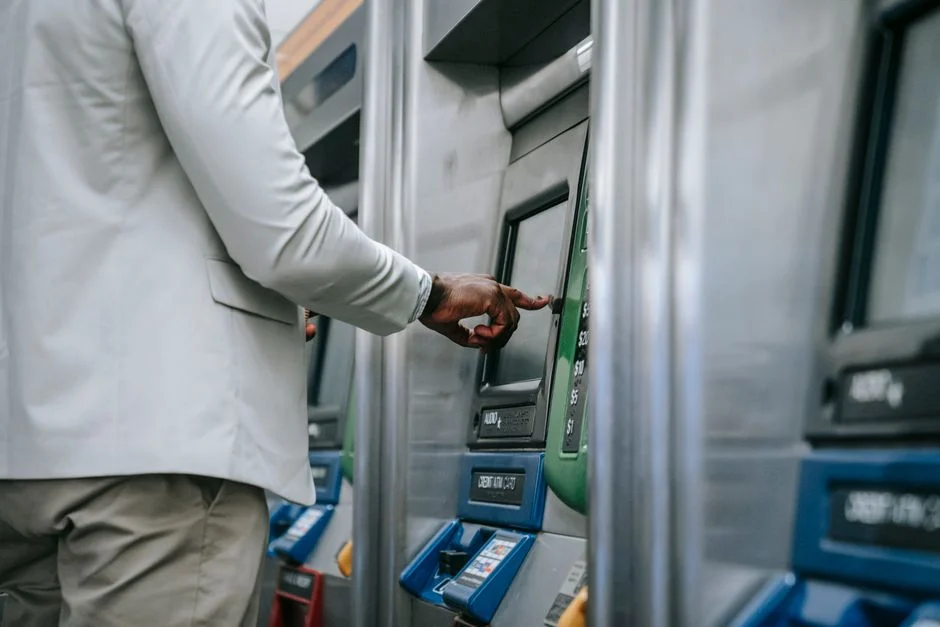
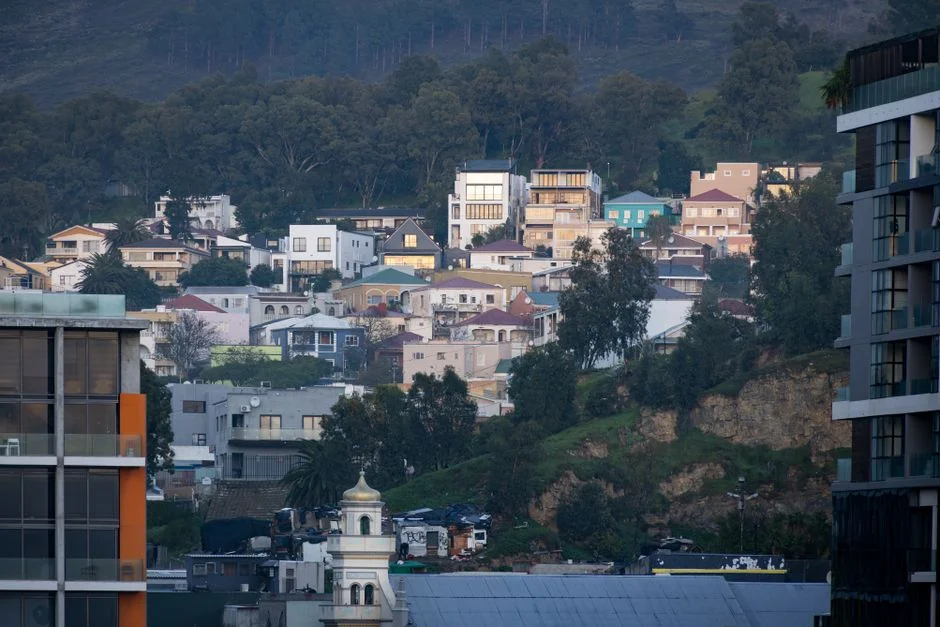
When South Africans gather to debate how to fix their police force, the conversation rarely turns to surveillance cameras, facial recognition software, or body-worn devices. That gap is becoming harder to ignore. Community leaders, researchers, and former law enforcement officials say the debate over policing in the country is overlooking tools that could either improve accountability or deepen existing problems.
The Reform Conversation Takes Shape
In town halls across Johannesburg and Cape Town, residents have spent months demanding change after a series of high-profile incidents involving the South African Police Service. Draft proposals circulating among civil society groups focus heavily on staffing, training, and oversight structures. Curiously absent is any substantive discussion of the technology officers use on the streets every day. Researchers who track police spending say this is not accidental. The topic generates fierce disagreement even among those who agree on broader reform goals.
What the Technology Landscape Looks Like
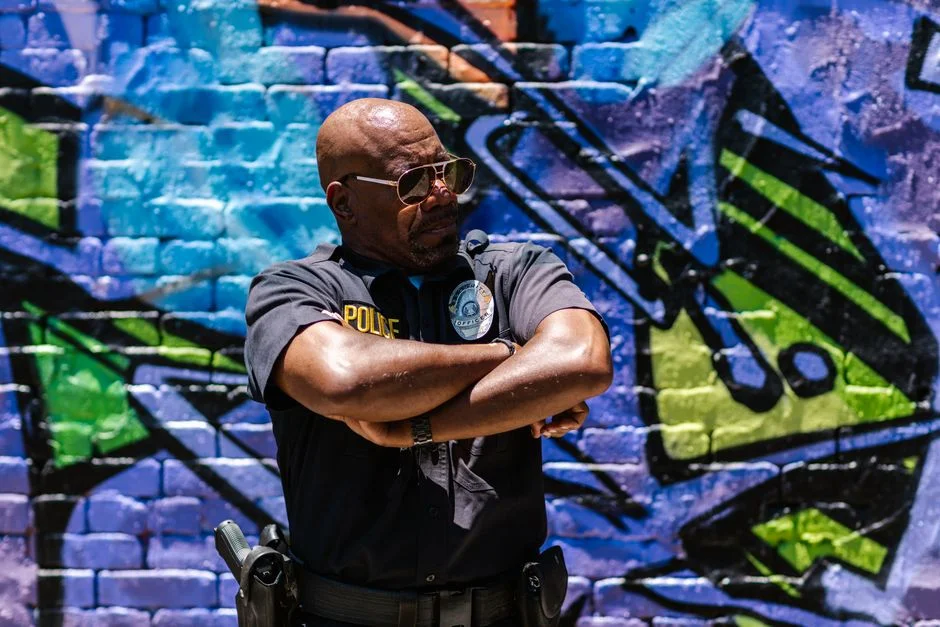
The South African Police Service currently operates a fragmented array of systems. Some precincts in Pretoria and Durban have basic computer-aided dispatch systems. Others still rely on handwritten logs. Body cameras exist in pilot programmes in Gauteng province but have never scaled nationwide. The Independent Police Investigative Directorate has repeatedly noted in annual reports that lack of technological evidence collection hampers its ability to prosecute misconduct cases. At the same time, private security firms serving affluent neighbourhoods deploy advanced monitoring tools that police on public streets simply do not have access to.
Accountability Versus Surveillance
Privacy advocates and criminal justice reformers find themselves on opposite sides of the same question. Digital rights organisations argue that equipping officers with body cameras and real-time data sharing could expose misconduct that currently goes undocumented. They point to studies in other countries showing drops in citizen complaints where footage is available. However, civil liberties groups warn that without strict protocols, the same technology becomes a tool for mass surveillance of communities already subjected to heavy police presence. The tension remains unresolved in current policy discussions.
The Cost Factor Holding Back Adoption

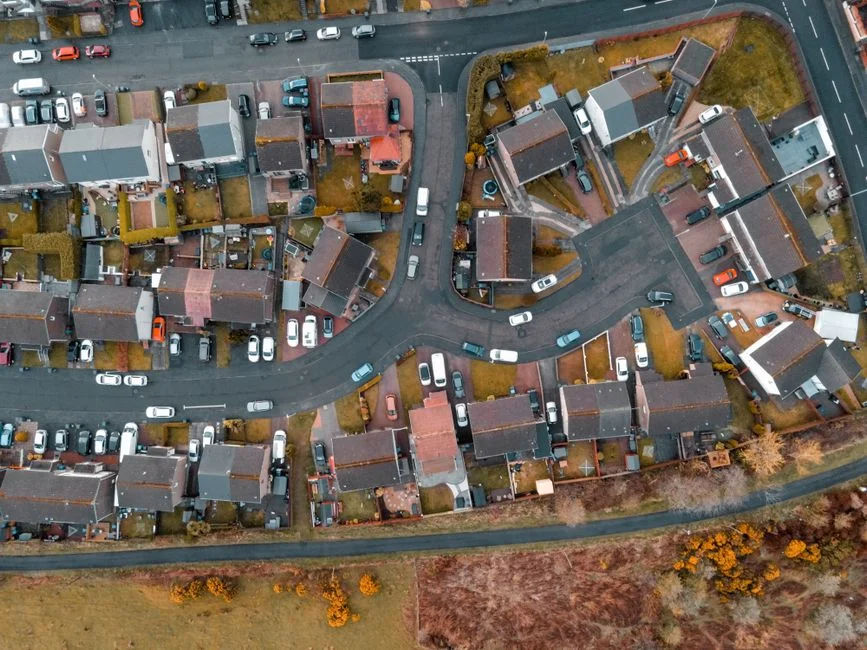
Budget documents from the police ministry show that technology upgrades have historically ranked low in annual spending priorities. The 2024 financial allocation for equipment modernisation represented less than 3 percent of total police expenditure. Analysts at the Institute for Security Studies have written extensively about this gap, noting that officers in rural provinces often lack basic communication infrastructure. A detective in the Eastern Cape told researchers last year that she had solved zero cases in six months because her precinct had no working internet connection. That reality shapes how communities experience policing far more than any debate over structural reform.
Community Voices on What Matters
Residents in township areas surrounding major cities describe a disconnect between reform proposals and their daily interactions with police. In Khayelitsha outside Cape Town, community patrol volunteers say they have repeatedly asked officers why there are no cameras at checkpoints where harassment complaints are common. The answer they receive, according to volunteer coordinator Nokuthula Dlamini, is always the same: no budget, no instructions from above. The pattern repeats across multiple provinces, suggesting the oversight gap extends beyond any single police station or precinct commander.
What Experts Say Should Happen
Police reform researchers argue that technology must become part of the mainstream discussion rather than a technical footnote. Dr. Anele Mtshali of the Centre for Constitutional Rights has published papers arguing that any credible reform framework should include binding timelines for body camera deployment, independent data storage protocols, and public reporting requirements on how surveillance tools are used. Without those specifics, she says, reform documents amount to aspirational language that ignores operational reality. The police ministry has not publicly responded to those specific proposals, though officials have acknowledged the need for modernisation in broad terms.
Looking Ahead: Where the Pressure Is Building
A parliamentary committee is scheduled to hold public hearings on police oversight legislation early next year. Civil society organisations are preparing submissions that will specifically address technology governance for the first time. Whether those recommendations survive the committee process remains uncertain, but advocates say the issue can no longer be treated as peripheral. Communities that have waited years for meaningful police change will be watching closely to see whether the next round of reform talks produces anything different from the last. The cameras, databases, and monitoring systems that officers actually use will remain part of the problem until they become part of the solution.
See Also
- South Africa's School Violence Crisis Is Crippling Young Workers' Futures
- Netanyahu Posts ‘Proof of Life’ Video as A.I. Sows Doubts About What’s Real
The pattern repeats across multiple provinces, suggesting the oversight gap extends beyond any single police station or precinct commander.What Experts Say Should HappenPolice reform researchers argue that technology must become part of the mainstream discussion rather than a technical footnote. Analysts at the Institute for Security Studies have written extensively about this gap, noting that officers in rural provinces often lack basic communication infrastructure.
What is the latest news about south africa debates police reform but technology gets left behind?
Why does this matter for technology-innovation?
What are the key facts about south africa debates police reform but technology gets left behind?