The Pharmacy Council of Nigeria has sealed 724 facilities operating without proper licensing across Kwara State. The action targeted pharmacies and medicine stores that failed to meet regulatory standards for safe drug storage and handling. PCN enforcement teams conducted inspections in the state capital of Ilorin and surrounding areas over recent days.
Enforcement Sweep Targets Unlicensed Operators
PCN officials discovered hundreds of facilities operating outside legal requirements during the operation. Many lacked valid registration documents or employed unqualified staff to dispense medications. The facilities sealed included retail pharmacies, patent medicine stores, and informal drug vendors.
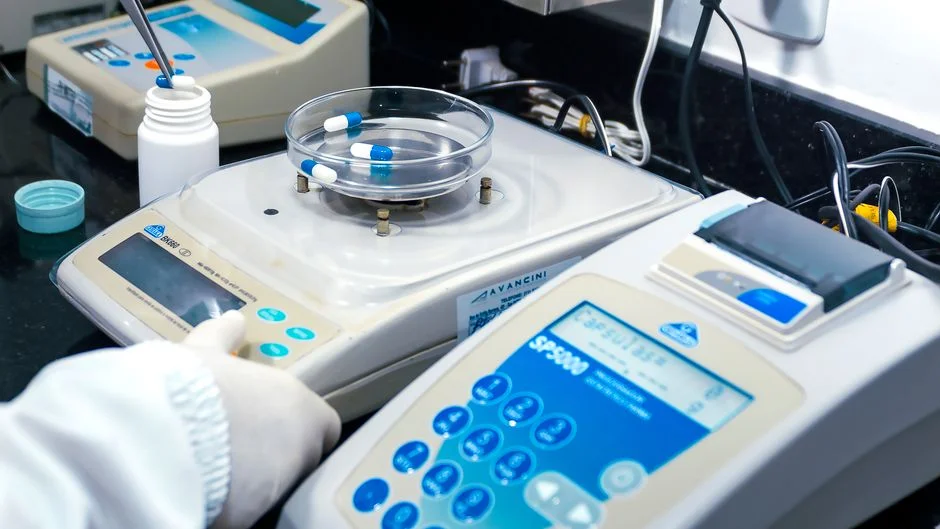
The council's enforcement directorate confirmed the figures in a statement released from its headquarters in Abuja. Inspectors found violations ranging from improper drug storage to the sale of expired medications. Some facilities were storing temperature-sensitive drugs without adequate refrigeration systems.
PCN Registrar Issues Stark Warning
The Registrar of the Pharmacy Council addressed operators who continue to run facilities without authorization. Those operating illegally should cease immediately or face permanent closure, the statement read. The council will not hesitate to prosecute offenders under the Pharmacy Act.
PCN warned that enforcement actions would continue and expand to other states beyond Kwara. The operation in Kwara was described as the first phase of a broader regulatory campaign. Officials said they had gathered intelligence on additional unlicensed facilities in neighboring states.
Legal Framework and Penalties
Nigerian law requires all pharmacies and medicine outlets to register with PCN and employ licensed pharmaceutical professionals. Operators found guilty of running illegal facilities face fines and imprisonment. The council has authority to confiscate drugs sold without proper authorization.
Public Health Concerns Driving Action

Unlicensed medicine outlets pose serious risks to patient safety, according to health authorities. Without proper oversight, these facilities can distribute counterfeit, substandard, or improperly stored drugs. Patients receiving medications from such outlets may experience treatment failure or harmful side effects.
The National Primary Health Care Development Agency has previously raised concerns about drug quality in rural areas. Kwara State has seen several incidents of patients suffering adverse reactions after purchasing medications from unregistered sellers. Health officials say proper pharmaceutical oversight is essential for effective treatment outcomes.
Consumer Guidance and Verification
PCN urged Nigerians to verify pharmacy credentials before purchasing medications. Legitimate pharmacies must display their registration certificates prominently inside the premises. Consumers should check that dispensing counters are staffed by identifiable pharmaceutical professionals.
The council advised patients to request receipts and proper labeling on all prescribed medications. Anyone who suspects a facility is operating illegally can report it through the council's official channels. PCN said it would investigate all complaints and take appropriate enforcement action.
Impact on Communities and Healthcare Access
The closure of 724 facilities creates gaps in medicine access for communities across Kwara. Some residents in rural areas relied on unlicensed vendors for basic medications. The government's primary healthcare system may struggle to absorb increased demand from displaced customers.
Local health advocates called for expanded government support to ensure continued access to essential medicines. They warned that shuttering illegal outlets without providing alternatives could push some patients toward self-medication or traditional remedies. The Ministry of Health in Kwara has not yet announced plans to address potential service gaps.
Next Steps and What to Watch
The Pharmacy Council indicated that enforcement teams would move to other states following the Kwara operation. Officials are expected to announce the next target states within the coming weeks. Operators currently operating without licenses have a limited window to regularize their status before enforcement arrives.
PCN has promised to publish a list of all registered and compliant facilities on its website for public verification. The council will also launch a public awareness campaign explaining how to identify legal pharmacies. Citizens should watch for announcements regarding expanded enforcement operations in the months ahead.
See Also
- Bosnia-Herzegovina Faces North Macedonia in Key Soccer Friendly Match
- Yankees Face Guardians in Key AL Matchup on June 10
PCN said it would investigate all complaints and take appropriate enforcement action.Impact on Communities and Healthcare AccessThe closure of 724 facilities creates gaps in medicine access for communities across Kwara. The Ministry of Health in Kwara has not yet announced plans to address potential service gaps.Next Steps and What to WatchThe Pharmacy Council indicated that enforcement teams would move to other states following the Kwara operation.