Tanzania has taken its first concrete steps toward becoming Africa's next pharmaceutical manufacturing hub, signing a preliminary agreement with investors in Shanghai this week to develop domestic drug production capacity. The deal, announced through state media Daily News, marks a significant shift in the country's healthcare industrial strategy and could reduce East Africa's dependence on imported medicines within five years.
The Shanghai Agreement and What It Promises
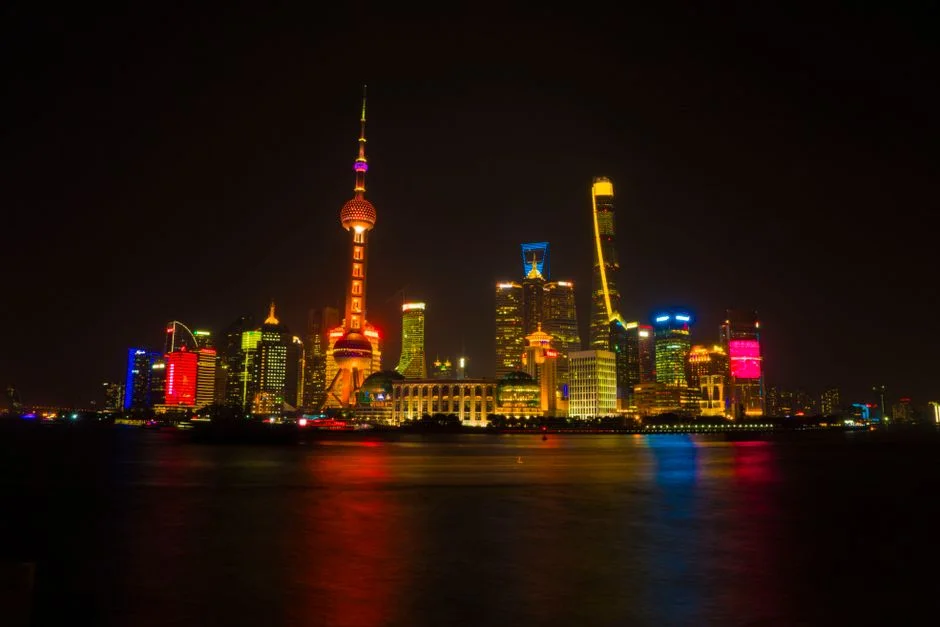
The framework agreement was signed between Tanzanian officials and a consortium of Chinese pharmaceutical companies during a trade summit held in Shanghai's Pudong district. Details remain limited, but officials in Dar es Salaam confirmed the initial investment package would target active pharmaceutical ingredient production — the base materials needed to manufacture generic medicines locally.
"This is about security of supply," a senior official from Tanzania's Ministry of Industry and Trade told Daily News, speaking on condition of anonymity ahead of a formal announcement. "When the next health crisis hits, we cannot rely on cargo planes from Europe and India."
The agreement includes provisions for technology transfer, workforce training at the Mbeya Industrial Park, and regulatory alignment with World Health Organization standards. Construction on the first facility could begin before the end of the year if financing terms are finalized.
Why Tanzania Is Positioning Itself Now
The push comes after the COVID-19 pandemic exposed how African nations scrambled for basic medicines when global supply chains froze. Tanzania imported roughly 80 percent of its pharmaceutical products, according to government estimates, leaving hospitals vulnerable to shortages and price spikes.
Several African nations are now racing to build domestic capacity. South Africa, Kenya, and Ethiopia have all announced similar ambitions, but Tanzania believes its strategic location — with direct port access to the Indian Ocean and proximity to landlocked neighbours — gives it a logistical edge.
The African Continental Free Trade Area agreement, now in its third year of implementation, also removes tariffs on goods produced within the continent, making a Tanzanian pharmaceutical hub more competitive across borders.
The Domestic Manufacturing Landscape


Tanzania already hosts a handful of small-scale pharmaceutical firms, mostly producing simple analgesics and antimalarial drugs. The government has licensed around 15 domestic manufacturers, but their combined output meets less than a quarter of national demand.
Industry analysts say scaling up will require more than Chinese investment. Skilled labour, quality control infrastructure, and reliable electricity remain persistent challenges in Tanzania's industrial zones.
The Tanzania Pharmaceutical Industry Association welcomed the Shanghai agreement but cautioned that success would depend on consistent policy support beyond the current administration. "Investors need predictability," the association said in a statement. "Tax holidays and import duty exemptions must be guaranteed in law, not just in press releases."
What Rivals Are Doing
Tanzania is entering a crowded field. Kenya, long considered East Africa's pharmaceutical leader, already hosts multinational factories and exports generic drugs to Uganda, Rwanda, and the Democratic Republic of Congo. The Kenyan government has pledged to triple domestic pharmaceutical output by 2030.
Ethiopia, meanwhile, has attracted Indian pharmaceutical investment through tax incentives and cheap labour, positioning itself as a low-cost manufacturer for export markets. South Africa's Aspen Pharmacare supplies nearly half the continent's antiretroviral drugs and represents the benchmark for African pharma ambition.
The competition matters because global pharmaceutical companies are increasingly looking to diversify manufacturing away from China and India. Tanzania's bet is that it can attract a slice of that reshoring trend.
What Could Go Wrong
Sceptics point to Tanzania's track record with large-scale industrial projects. Bureaucratic delays, land acquisition disputes, and currency volatility have derailed previous manufacturing initiatives. The shilling's instability against the dollar could make imported machinery prohibitively expensive if the agreement relies heavily on foreign financing.
There are also questions about regulatory capacity. Tanzania's Tanzania Medicines and Medical Devices Authority currently lacks the inspectors and laboratory equipment needed to certify complex generic drugs at international standards. Without credible regulatory approval, even domestically produced medicines may struggle to win export markets.
What Happens Next
Tanzanian officials expect a detailed feasibility study to conclude within six months. If the study recommends proceeding, the government will open a formal tender for construction contracts. A joint steering committee with Chinese representatives is expected to meet quarterly to monitor progress.
International donors, including the World Bank and the African Development Bank, have expressed interest in co-financing pharmaceutical infrastructure across the continent. Tanzania's finance ministry is reportedly preparing a proposal for low-interest development loans to supplement the Shanghai investment.
Watch this space: the first concrete test will be whether ground breaks on the Mbeya facility before Tanzania's next budget cycle in June. If it does, the Shanghai deal will have moved from aspiration to reality.
See Also
- Trump Faces Stalled Progress in Second Term Amid Political Gridlock
- Vibe Coding Exposes Hidden Costs Behind the AI Magic
The shilling's instability against the dollar could make imported machinery prohibitively expensive if the agreement relies heavily on foreign financing. Kenya, long considered East Africa's pharmaceutical leader, already hosts multinational factories and exports generic drugs to Uganda, Rwanda, and the Democratic Republic of Congo.