Health officials in the United Kingdom have announced plans to offer the Meningitis B vaccine to approximately one million young people across the country. The programme represents one of the most ambitious immunisation drives against the bacterial infection in recent years, targeting individuals aged 17 to 24 in an effort to curb rising transmission rates.
Who Qualifies for the Vaccine
The NHS vaccination campaign will focus on young adults, a demographic that public health data consistently identifies as carrying higher rates of meningococcal bacteria. Students entering university for the first time will receive priority access, though the programme extends to all eligible individuals up to age 24. Letters are being dispatched to registered patients through GP surgeries, with appointment slots opening at vaccination centres nationwide from next month.
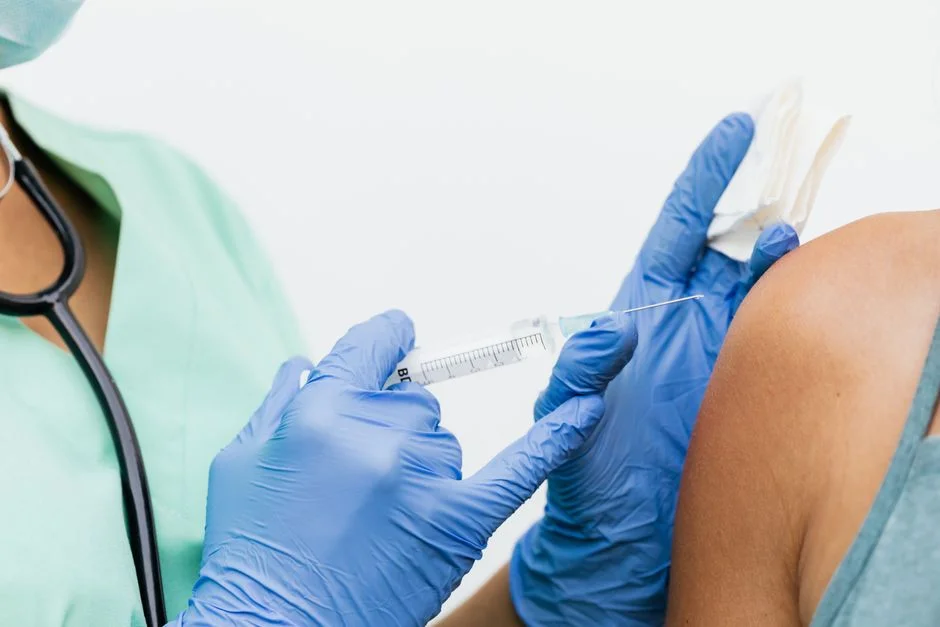
Professor Dame Jenny Harries, chief executive of the UK Health Security Agency, confirmed the rollout timeline during a press briefing in London. "We are urging all eligible young people to take up this offer," she stated. "Meningitis B can progress extremely rapidly, and vaccination remains our most effective defence." The agency has allocated additional staffing resources to ensure GP practices can manage the increased demand without disrupting routine services.
Understanding Meningitis B
Meningitis B is caused by Neisseria meningitidis bacteria and can lead to life-threatening inflammation of the membranes surrounding the brain and spinal cord. Symptoms often resemble common illnesses such as flu, which frequently delays diagnosis. The infection can cause blood poisoning, organ failure, and permanent neurological damage within hours of the first symptoms appearing.
In 2023, UK laboratories confirmed over 600 cases of meningococcal disease, with the highest concentration among teenagers and young adults. The mortality rate stands at roughly one in ten, even with prompt medical treatment. Survivors may face long-term complications including hearing loss, limb amputations, and cognitive difficulties. Health charities have long advocated for expanded vaccine access, arguing that the current programme should have been expanded sooner.
Logistical Challenges Ahead


The vaccination programme faces significant operational hurdles. Distribution networks must deliver the vaccine to thousands of GP surgeries and pharmacy partners while maintaining cold-chain requirements throughout transit. NHS England has partnered with regional pharmaceutical distributors to ensure uninterrupted supply to rural and urban areas alike.
Not all eligible young people will receive appointments immediately. The NHS has indicated that rollout will proceed in waves, prioritising areas with documented transmission clusters. A postcode-based eligibility checker will launch on the NHS website next week, allowing individuals to confirm whether their local surgery has entered the current rollout phase. Health officials acknowledge that demand may initially outpace supply in some regions.
Public Response and Concerns
Meningitis charities have welcomed the announcement but caution that awareness remains insufficient. A survey conducted by Meningitis Research found that fewer than 40 percent of young people could correctly identify the symptoms of meningococcal disease. The organisation is launching a parallel education campaign to coincide with the vaccination drive, focusing on university campuses and social media platforms popular with the target age group.
Some parents have expressed frustration that the programme does not include younger children, who also face elevated risk. The Joint Committee on Vaccination and Immunisation reviewed evidence on extending coverage to infants but determined that cost-effectiveness thresholds were not met at current pricing. Committee minutes indicate that negotiations with vaccine manufacturers are ongoing, and revised recommendations may follow if pricing structures change.
What Happens Next
The first appointments will become available at participating GP surgeries from the beginning of next month. Young people who miss their initial invitation window can still request vaccination through their GP or participating pharmacies throughout the remainder of the financial year. NHS officials expect the programme to reach full capacity by the autumn, ahead of the university term when transmission rates historically peak.
Health authorities will monitor case numbers closely throughout the rollout period. If transmission rates decline as anticipated, the programme may serve as a model for permanent inclusion in routine adolescent vaccination schedules. The next review of the immunisation programme is scheduled for early next year, when officials will assess whether the age range should expand or contract based on epidemiological evidence.
See Also
- WHO Warns Ebola Spreading Faster Than Expected in Africa
- Anti-Abortion Activist Joanna Howe Exposed: Twin Babies Photo Was Sugar Gliders
The NHS has indicated that rollout will proceed in waves, prioritising areas with documented transmission clusters. Health officials acknowledge that demand may initially outpace supply in some regions.Public Response and ConcernsMeningitis charities have welcomed the announcement but caution that awareness remains insufficient.