The Azores archipelago recorded its highest-ever level of air connectivity last month, according to data released by regional transport authorities. The Portuguese Atlantic islands, positioned roughly 1,500 kilometres from mainland Europe, now host more international routes than at any point in the region's history, officials confirmed.
A Strategic Atlantic Crossroads
The nine-island chain has long served as a vital waypoint between Europe and North America. Geographically, the Azores sit directly beneath the great circle routes that aircraft use to travel between the eastern seaboard of the United States and European destinations. That position has always given the islands potential as a transfer hub, but infrastructure limitations kept that potential largely untapped for decades.
Regional officials have spent the past decade lobbying airline carriers and negotiating landing slot agreements to change that reality. The results are now becoming visible in passenger numbers and route expansion data, local media reported.
Route Expansion Drives Growth
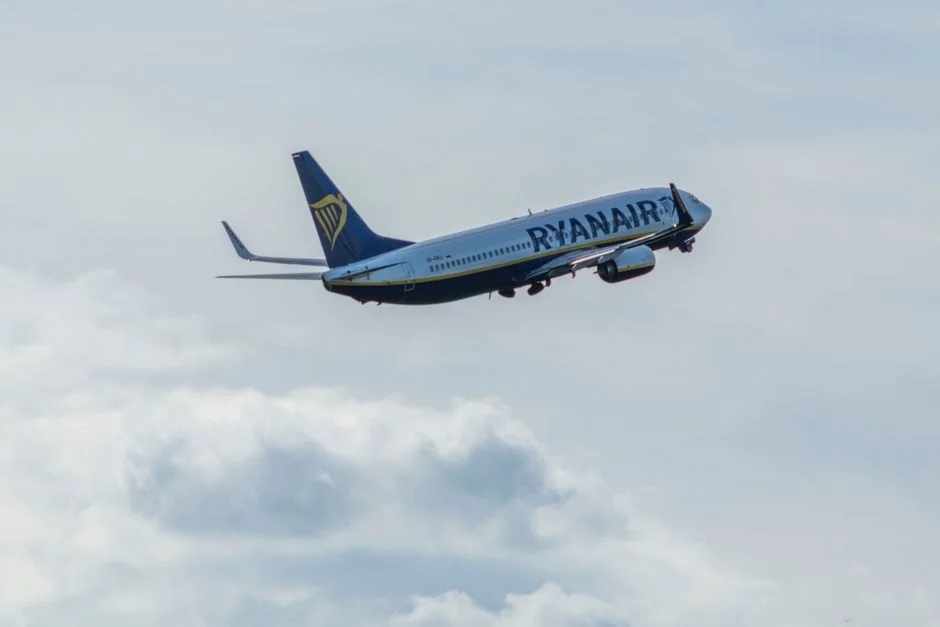
Three of the five islands now maintain scheduled connections to cities in Portugal, Spain, Germany, and the United States. SATA Azores Airlines and Ryanair have both added frequencies to existing routes since January, while TAP Air Portugal increased its weekly departures from Ponta Delgada, the capital on São Miguel island.
The numbers tell a clear story. Direct connections to North American cities have grown by two new routes compared to the same period last year. European destinations now number in the mid-teens, up from single digits a decade ago. Tourism arrivals to the islands rose sharply in the same window, according to regional statistics.
Infrastructure Upgrades
The connectivity surge follows two significant airport upgrades. Runway extensions at João Paulo II Airport in Ponta Delgada now accommodate larger narrow-body aircraft used on transatlantic sectors. A second terminal expansion at Lajes Field on Terceira island increased handling capacity by an estimated 40 percent. Those projects drew partial funding from European Union regional development programmes aimed at strengthening outermost region infrastructure.
What the Record Means for the Islands


For a region where tourism accounts for a substantial share of economic output, the connectivity milestone carries direct financial consequences. Visitor spending has risen in step with arrival numbers, local businesses report. Hospitality sector employment has grown for the fourth consecutive year, regional labour statistics show.
The development also matters for trade. Air freight services connecting the Azores to continental Europe have expanded, reducing reliance on sea transport for time-sensitive goods. That shift brings the islands closer in logistical terms to major European markets.
Broader Regional Implications
Europe's outermost regions have long struggled with peripheral status in transport networks. The Azores achievement stands out as a counterexample, demonstrating that sustained investment and airline partnerships can reverse marginalisation. Other island or remote regions across the Atlantic and Pacific are watching the model closely, according to transport analysts.
For North American travellers, the route growth creates new routing options through the Azores that bypass traditional hub cities. Fares on some transatlantic itineraries have become more competitive as a result, booking data from several online platforms indicates.
What Comes Next
The regional government has outlined plans to attract additional long-haul carriers within the next two years. Officials are in discussions with at least one major US airline about seasonal service, though no formal agreement has been announced. A new route to a Canadian city is also under consideration for the 2025 summer schedule.
Whether the momentum holds will depend partly on aircraft availability and fuel costs, factors that have disrupted expansion plans at other smaller airports globally. But for now, the Azores is riding a rare wave of connectivity growth that few island regions achieve.
See Also
- South Africa Faces Hail and Wind Storms This Saturday
- UK Mortgage Rejection Sparks Debate Over Deposit Rules
What is the latest news about azores shatters air connectivity record as atlantic hub ambitions grow?
Why does this matter for environment-nature?
What are the key facts about azores shatters air connectivity record as atlantic hub ambitions grow?