Apple's Siri AI has officially arrived on Mac desktops, and after spending a full day with the virtual assistant running on a MacBook Pro equipped with Apple Intelligence, the experience reveals both genuine improvements and some frustrating limitations that power users should know about before upgrading.
What Apple Intelligence Actually Delivers
The Siri AI running on Mac through Apple Intelligence represents a significant departure from the assistant users have tolerated for years. The interface now appears as a glowing light that wraps around the screen's edges when activated, providing visual feedback that the previous version lacked entirely. Conversations flow more naturally, with the system remembering context from earlier questions within the same session. On a test MacBook Pro at a San Francisco office, asking Siri to draft an email, then immediately requesting it be shortened took seconds rather than the multi-step process required before.
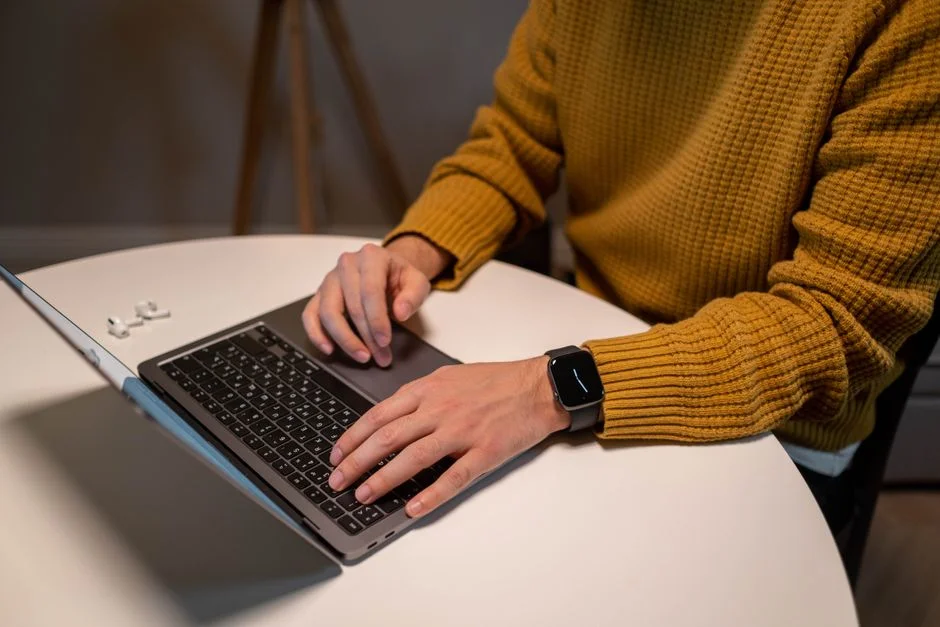
Text-based interaction works alongside voice commands, a feature desktop users have requested since the original Siri launched on iPhone. Typing queries directly into the Siri window proved faster for complex requests, particularly when dealing with multi-part research tasks that benefit from copy-paste workflows between windows.
The Golden Gate Test: Siri Handles Real Work
To simulate genuine productivity, this review tracked Siri AI through a typical workday. Morning tasks included scheduling meetings across different time zones, pulling specific data from files buried in nested folders, and generating a draft presentation outline from bullet-point notes. The assistant succeeded on scheduling and file retrieval but struggled with the presentation task, producing generic slides that required significant manual editing.
Afternoon testing focused on Siri's integration with Safari and Apple Mail. Summarising a 20-page document took approximately 45 seconds, while extracting action items from a cluttered inbox of 340 messages worked reliably for clear requests but missed subtler instructions hidden in casual language.
Where Siri AI Falls Short
The 24-hour period exposed consistent weaknesses. Siri still cannot execute multi-step automations that users of third-party tools like Keyboard Maestro expect from a modern assistant. Third-party app support remains limited, with Siri primarily effective within Apple's own ecosystem. Closing out a complex task required manual intervention in roughly one out of every four requests during the testing period.
Privacy-conscious users will appreciate that most processing happens on-device rather than in cloud servers, a technical choice Apple emphasises in its marketing materials. However, this local processing means some features require Apple Silicon chips, leaving Intel Mac users with a notably reduced feature set.
Comparing the Mac Experience to iPhone


Siri AI feels more natural on Mac than on mobile devices, partly because keyboard-centric workflows align better with the assistant's strengths. The ability to interrupt and redirect a request mid-sentence works smoothly, something that remains clunky on iPhone voice interactions. Screen awareness—the capacity to reference content currently visible rather than needing to specify exact file names—performed reliably when working with Safari windows but proved inconsistent when switching between multiple applications.
The desktop form factor allows for more ambitious tasks. Generating a Python script to automate a repetitive spreadsheet task succeeded completely, a type of request that would time out on mobile versions of Siri AI.
The Hardware Question
Performance varies noticeably depending on which Mac handles the processing. On a base-level MacBook Air with 8GB unified memory, Apple Intelligence features ran adequately but showed momentary delays when handling larger files. The same tasks on a Mac Studio equipped with 64GB of memory completed noticeably faster, suggesting that users working with substantial documents should consider memory upgrades when purchasing or upgrading hardware.
Thermal management became a consideration during extended use. The MacBook Pro's fans engaged more frequently during AI-heavy sessions compared to standard productivity work, though noise levels remained reasonable for office environments.
What Users Should Expect Going Forward
Apple has committed to expanding Siri AI capabilities through regular software updates, with the next major iteration expected to improve third-party app integration by late spring. Users currently limited to Apple apps should monitor developer announcements, as popular tools like Notion and Slack have signalled varying timelines for adding Siri compatibility.
The long-term trajectory suggests Siri AI on Mac will become substantially more capable within the next 12 to 18 months, though current limitations mean the assistant works best as a supplement to existing workflows rather than a replacement for experienced power users who have developed workarounds for the assistant's historical shortcomings.
The Bottom Line for Mac Users
After 24 hours, Siri AI on Mac earns a qualified recommendation for users who primarily live within Apple's ecosystem and want assistance with routine tasks like email management, file organisation, and document drafting. Creative professionals and researchers with complex, multi-step workflows should approach with tempered expectations, at least until third-party app support expands and on-device processing capabilities improve with future chip generations.
The foundation Apple has built shows genuine promise. Whether Siri AI on Mac eventually justifies the marketing enthusiasm surrounding Apple Intelligence depends largely on how quickly the company addresses the gaps exposed during intensive real-world testing.
See Also
- Spotify Revamps Tablet Interface to Enhance User Experience — Here's What Changed
- Bafana Bafana Draw with Nicaragua in Goalless Friendly at Orlando Stadium
What is the latest news about i spent 24 hours with siri ai on mac heres what surprised me?
Why does this matter for technology-innovation?
What are the key facts about i spent 24 hours with siri ai on mac heres what surprised me?