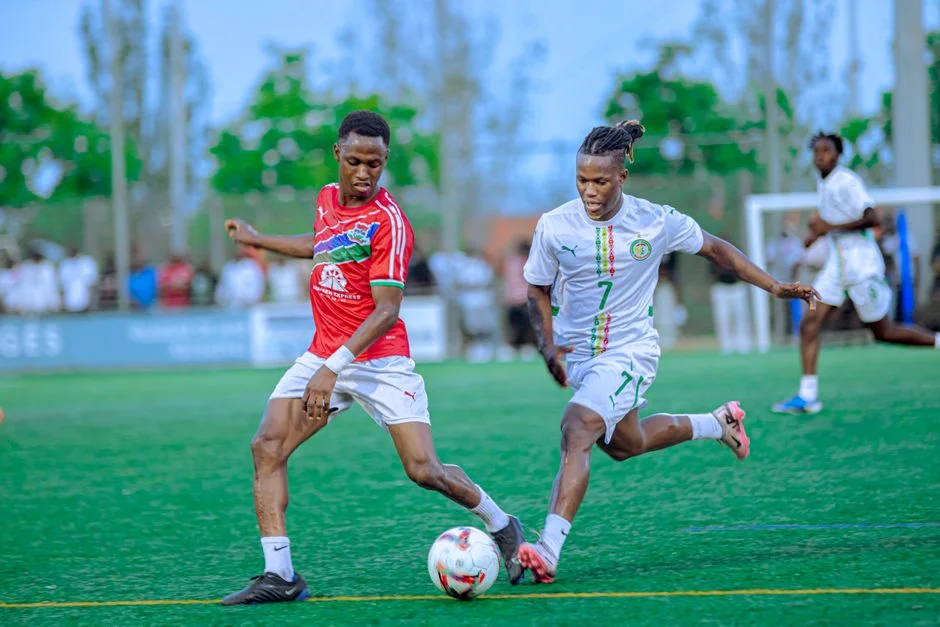
South Africa's national football team faced a wave of mockery from fans across Africa after their World Cup campaign ended in elimination. The trolling spread rapidly across social media platforms, with supporters from rival nations turning the loss into a viral moment of regional rivalry and humor.
The Loss That Sparked the Storm
South Africa's Bafana Bafana squad suffered elimination from World Cup contention in a decisive qualifier that dashed the nation's hopes of reaching the tournament. The defeat left players and supporters deflated, but what followed was anything but subdued. Within hours of the final whistle, football fans from Ghana, Nigeria, Kenya, and other African nations began posting memes, jokes, and satirical content targeting South Africa's qualification failure.
The social media avalanche reflected a longstanding rivalry that runs deeper than football. While the teams rarely face each other in major tournaments, the banter exposed how regional competition extends far beyond the pitch. One widely shared post featured a collage of South African flags with the caption: "They said Bafana Bafana, but forgot to mention Bafana Gone."
Social Media Erupts
Platforms like X (formerly Twitter), Instagram, and Facebook became battlegrounds for football banter as the trolling intensified. Nigerian fans created a hashtag that trended across multiple African countries, while Ghanaian accounts posted videos mocking South African commentators' reactions during the match. Kenyan football accounts shared edited clips depicting the South African team's dejected faces alongside captions about "broken dreams" and "another qualification collapse."
The jokes ranged from playful ribbing to pointed reminders of South Africa's previous World Cup struggles. Some posts referenced the nation's 2010 tournament performance, suggesting the country had been living off past glories. Others focused on specific players, targeting missed chances and tactical decisions during the decisive fixture.
Regional Football Rivalries Fuel the Fire
The trolling reflects genuine sporting competition between African nations. South Africa's football federation has invested heavily in youth development and infrastructure over the past decade, creating expectations that contrast sharply with the reality of another failed qualification campaign. Fans from countries that have also missed out on World Cup tournaments joined the mockery, creating a continent-wide moment of shared humor at South Africa's expense.
South Africa's Qualification Struggles


The elimination marks another chapter in South Africa's troubled relationship with World Cup qualifications. The nation reached the tournament in 1998, 2002, and 2010, but has failed to qualify for the past two editions. Football analysts have pointed to inconsistent coaching appointments and defensive vulnerabilities as recurring problems. The latest failure has reignited debates about the direction of the sport in the country of 60 million people.
The South African Football Association (SAFA) faces mounting pressure to explain the latest setback. Officials within the organization acknowledged the disappointment but stopped short of announcing immediate changes to the technical team. "Qualification is the minimum expectation," a SAFA spokesperson told reporters in Johannesburg. "The review process will be thorough and transparent."
What This Means for African Football
The trolling incident highlights shifting dynamics within African football. Traditional powerhouses like Nigeria and Ghana have themselves experienced painful qualification failures in recent years, making the mockery of South Africa particularly pointed. The ability to laugh at a rival's misfortune has become a defining feature of modern football culture, amplified by social media's instant reach across borders.
The incident also underscores how football fandom has become increasingly interconnected across the continent. Fans in Tanzania, Uganda, and Zambia joined the conversation, sharing content and adding their own commentary to the mix. The viral nature of the mockery demonstrated that regional football rivalries can generate as much engagement as the matches themselves.
Looking Ahead
South Africa's focus will now shift toward rebuilding for future qualification cycles. The next World Cup expansion will offer additional spots for African nations, creating fresh motivation for Bafana Bafana to end their tournament drought. SAFA is expected to announce a new coaching shortlist within the coming months, with several high-profile candidates already linked to the position.
For now, South African football supporters must endure the mockery while watching rival nations prepare for the tournament. The trolling will likely fade as other stories capture attention, but the underlying frustration about missed opportunities will persist. The next African qualification window opens in 2025, and South Africa will need to demonstrate significant improvement to avoid becoming a recurring target for continental humor.
See Also
- Baltimore County Lawyer Slain Protecting Grandchildren — Tragedy Shocks Community
- Early Care Scheme Could Prevent Thousands of Miscarriages Yearly
Football analysts have pointed to inconsistent coaching appointments and defensive vulnerabilities as recurring problems. "The review process will be thorough and transparent." What This Means for African Football The trolling incident highlights shifting dynamics within African football.