A decades-old folk song from Bosnia has taken the 2026 World Cup by storm, trending across social media platforms and becoming the unexpected soundtrack of this year's tournament in the United States, Canada, and Mexico.
The Song That Stopped the World Cup
For weeks, the tune — a traditional sevdalinka believed to be at least 40 years old — has echoed through stadium corridors, fan zones, and living rooms worldwide. The melody, previously known primarily among Bosnian diaspora communities, has now amassed tens of millions of streams across music platforms. Football supporters have adopted it as an unofficial anthem, creating viral TikTok and Instagram reels that have accumulated over 500 million views combined since the tournament began in June.
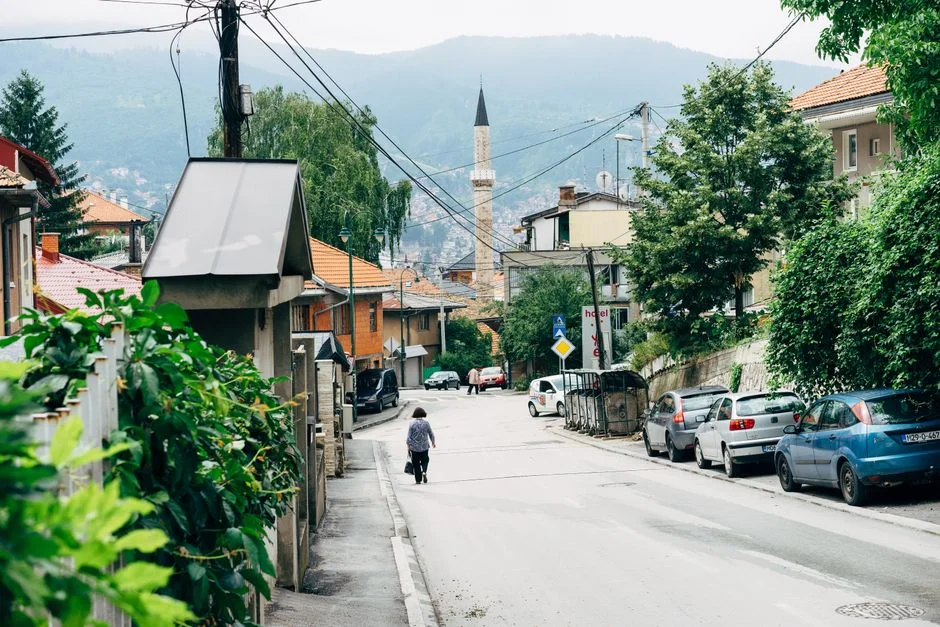
The song originated in Sarajevo, Bosnia's capital, and draws from the sevdalinka tradition — a genre of emotional, melancholic folk ballads unique to the Bosnian region. Local musicians confirm the recording dates back to the 1980s, though its exact origins remain debated among collectors of Balkan music.
How Social Media Sparked the Revival
The song's viral moment began when a Bosnian-American content creator posted a video of her grandmother singing the tune while preparing traditional food before a World Cup match. The clip, shared without any strategic promotion, spread rapidly through football fan communities online. Within 48 hours, it had been shared by major sports accounts and celebrity pages, propelling the recording into global consciousness.
Football supporters at matches in New York, Toronto, and Mexico City began playing the song on portable speakers during games. The phenomenon grew so widespread that broadcasters covering the tournament started using it as background music during highlight reels and post-match celebrations.
Football Fans Embrace Balkan Culture
The song's popularity reflects a broader trend of football fans seeking authentic cultural connections beyond official tournament anthems. Unlike the polished, commercially-produced tracks released by FIFA for the World Cup, this Bosnian folk song offered something raw and genuine that resonated deeply with audiences.
Several national team fan groups have incorporated the melody into their own chant traditions, adapting the lyrics for their teams while keeping the original Bosnian verses intact. This organic adoption has created an unusual moment of cultural exchange during what is typically a highly commercialised sporting event.
Bosnia's Surprising Cultural Export

For Bosnians, the song's global reach has prompted mixed emotions. Many in Sarajevo view the viral moment as a rare opportunity to share their cultural heritage with the world. Musicians and cultural organisations in the city have reported renewed interest in traditional sevdalinka recordings, with some collectors making previously obscure archival materials available online for the first time.
The government in Sarajevo has not officially commented on the song's viral status. However, cultural officials at a press briefing in June acknowledged the phenomenon, calling it a reminder of Bosnia's rich musical traditions that extend far beyond what international audiences typically encounter.
What Comes Next for the Viral Sensation
Music industry observers predict the song's run at the top of streaming charts will continue as long as the World Cup progresses. Several record labels have reportedly approached the original artists or their estates, though it remains unclear whether any commercial deals will materialise.
Fans are already requesting official releases and high-quality versions of the recording. The content creator whose grandmother's video started the phenomenon has indicated she is working with music archivists in Sarajevo to locate and release the clearest available version of the original track.
The World Cup final is scheduled for July 19. If the tournament produces dramatic moments in its closing weeks, the song could receive another wave of attention as supporters seek music to soundtrack their celebrations. Whether this remains a fleeting World Cup craze or marks the beginning of a lasting revival for Bosnian folk music, observers say the next few weeks will determine its trajectory.
See Also
- Mercedes Team-Mates Battle for F1 Crown as George Russell Surges Ahead
- Zoë Kravitz Slams Hulu Over 'Tacky' Harry Styles Joke