The chief executive of Business Leadership South Africa has issued a sharp assessment of Johannesburg's trajectory under Mayor Dada Morero, stating that conditions in South Africa's largest city have deteriorated since he took office. The remarks from the business group represent an escalation of tensions between the private sector and the city's leadership amid ongoing infrastructure failures and economic pressures.
Business Group Ratchets Up Criticism
The BLSA CEO's comments mark one of the most direct challenges yet from the corporate sector to Morero's administration. The business organisation, which represents major companies operating in South Africa, has previously raised concerns about governance in Johannesburg but has now shifted to a more confrontational stance. The CEO did not specify particular incidents but pointed to a broad decline in city services and investor confidence as evidence of the administration's failures.
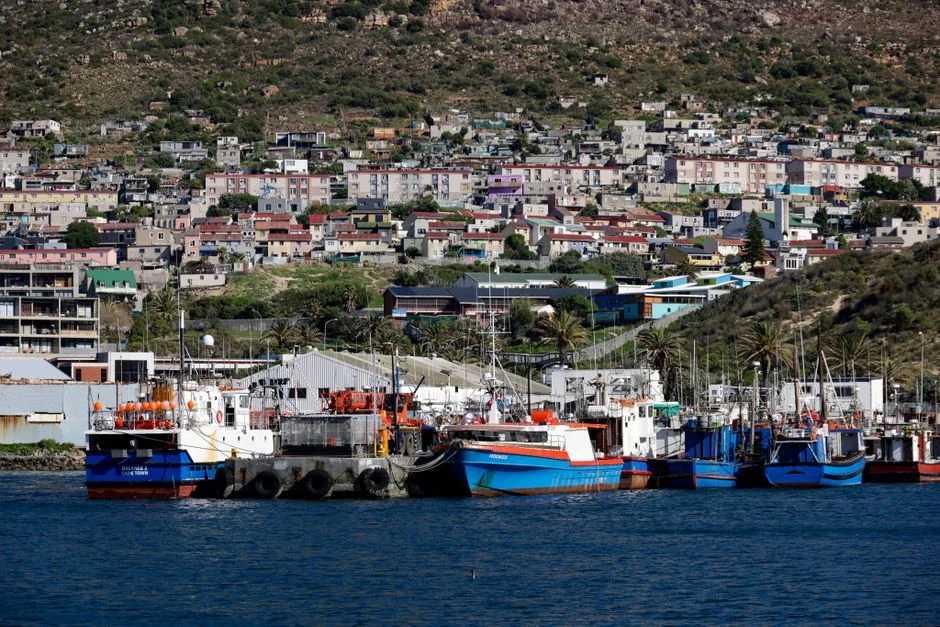
Johannesburg, a metropolitan hub contributing roughly 10 percent of South Africa's gross domestic product, has faced mounting challenges including power shortages, water supply issues, and deteriorating roads. The city council, controlled by a coalition including the African National Congress and allied parties, has struggled to maintain basic services while confronting a debt burden exceeding several billion rand.
Administration Responds to Criticism
Representatives of the mayor's office declined to respond in detail to the BLSA statement but pointed to systemic challenges inherited from previous administrations. Officials noted that Johannesburg faces pressures common to major urban centres globally, including aging infrastructure, population growth, and constrained municipal revenues. The mayor's communications team indicated that Morero remains focused on stabilising city operations and attracting investment despite the criticism.
Supporters of the administration argue that external factors, including national energy constraints and economic slowdown, have limited the city's ability to improve services. They point to initiatives aimed at addressing water losses and upgrading electrical infrastructure as evidence of progress despite difficult circumstances.
Economic Implications for South Africa
The confrontation between BLSA and the mayor comes at a sensitive moment for South Africa's economy. Johannesburg serves as the financial heartbeat of the continent, hosting the Johannesburg Stock Exchange and major banking headquarters. Any perception of governance failures in the city sends ripples through investor confidence nationwide, analysts say.
Local businesses have reported increasing difficulties operating in Johannesburg, citing unreliable electricity supply, crime affecting commercial areas, and delays in municipal approvals. The Johannesburg Chamber of Commerce and Industry has documented a decline in new business registrations as entrepreneurs seek more stable operating environments.
Infrastructure Crisis Deepens
The city's power utility has imposed scheduled outages affecting residential and commercial areas, a consequence of aging generation equipment and insufficient maintenance investment. Water shortages have periodically disrupted supply to central districts, forcing businesses to install private storage systems. Roads in several commercial zones have deteriorated to the point where vehicle damage has become a regular occurrence.
Municipal workers have staged protests over wage disputes, further complicating service delivery. The city council has struggled to finalise budget allocations amid disagreements between coalition partners over spending priorities. Credit rating agencies have flagged Johannesburg's fiscal position as a concern, noting the gap between municipal revenue and debt obligations.
Political Calculations Ahead
The BLSA statement arrives as municipal politics grow increasingly complex. Several council members have publicly broken with the administration in recent months, creating fractures within the ruling coalition. By-elections scheduled for later this year could shift the balance of power, making both the mayor and business community acutely aware of how public sentiment might evolve.
Opposition parties have seized on the business community's criticism, using it to bolster their calls for change in city leadership. The Democratic Alliance and other groups have scheduled community meetings in affected areas, hoping to translate frustration with services into electoral gains. The political stakes mean that both sides are calibrating their messages carefully to avoid either overplaying or underplaying the economic risks.
What Happens Next
BLSA has indicated it will present detailed proposals to the mayor's office within the coming weeks, outlining specific reforms the business community believes are necessary to reverse the city's trajectory. The organisation has requested a formal meeting with Morero to discuss implementation timelines and accountability mechanisms. Whether the mayor accepts the invitation and how negotiations unfold will determine whether the standoff eases or intensifies.
For now, Johannesburg residents and businesses face continued uncertainty about service reliability. The next municipal budget cycle, expected in May, will reveal whether council can agree on spending that addresses infrastructure backlogs. Investors and ordinary citizens alike will be watching closely for signals about the city's direction under an administration now openly challenged by the corporate sector.
See Also
- Singapore Demands Nuclear Readiness Test Before Power Shift
- Nigeria: 50 Toddlers Kidnapped in Borno Spark National Crisis
What is the latest news about blsa ceo blames johannesburgs decline on mayor dada morero?
Why does this matter for environment-nature?
What are the key facts about blsa ceo blames johannesburgs decline on mayor dada morero?