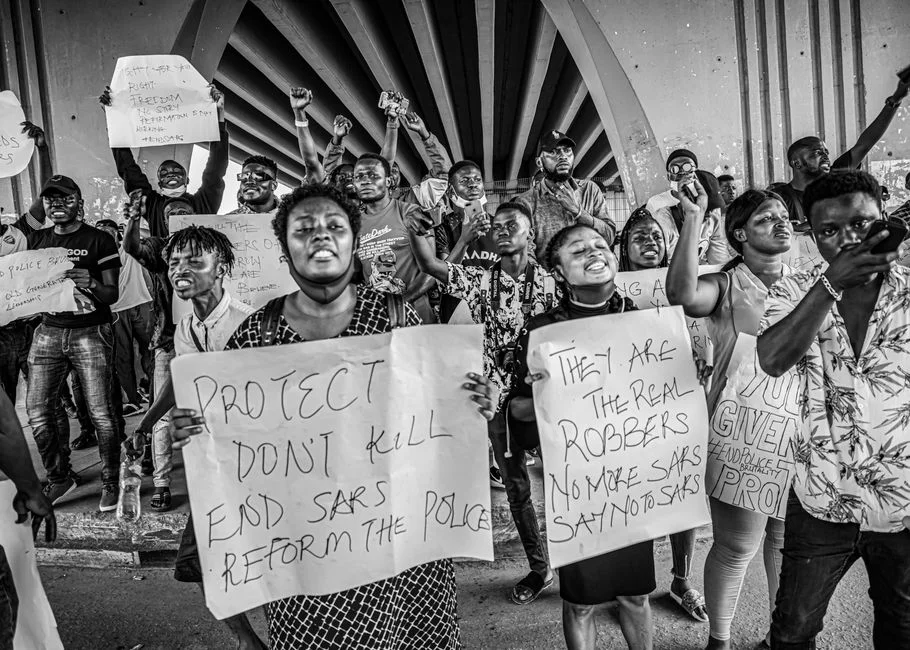
A growing policy vacuum on immigration has created conditions for xenophobic sentiment to spread unchecked, according to critics who say political leaders are failing to address the crisis head-on. The absence of clear, consistent immigration policy has left communities uncertain and has allowed divisive rhetoric to fill the void. Analysts argue that the longer policymakers dodge the issue, the more space hostile narratives have to take root.
Vacuum Created by Political Inaction
For years, immigration policy in the United States has been caught in political gridlock, with successive administrations failing to deliver comprehensive reform. That inaction has created a vacuum where local communities, businesses, and law enforcement face contradictory signals about enforcement priorities and legal pathways. Without a coherent federal framework, the burden has fallen on state and municipal governments, many of which have enacted their own contradictory rules.
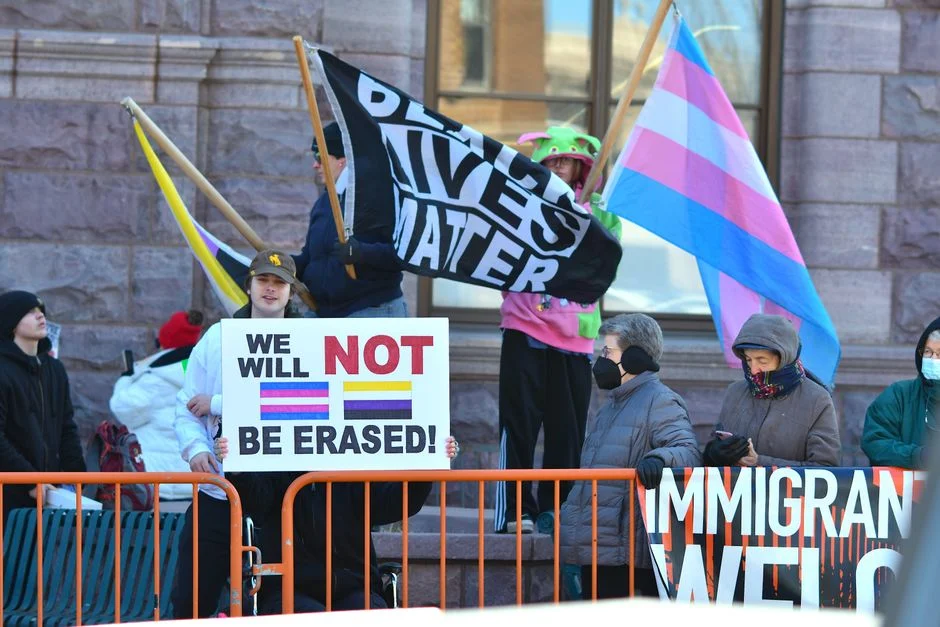
The lack of clarity has opened the door to confusion and fear. Communities with significant immigrant populations report that residents increasingly feel vulnerable to shifting political winds. Activists say the uncertainty itself is a tool that hardliners exploit to push anti-immigrant messaging. One advocacy group working in border communities said local residents describe feeling like they are living in a state of permanent anxiety, unsure which policies apply to them from one month to the next.
Critics Point to Rising Hostility
Critics of the current approach argue that the policy vacuum is not neutral—it has consequences. Community organizations tracking hate incidents say they have documented a rise in hostile behavior targeting immigrants in areas where immigration debates dominate political discourse. The pattern, they argue, tracks with the intensity of political messaging on the issue.
Groups that monitor discrimination cases report that complaints related to immigration status have increased in the past eighteen months. The data, while incomplete, suggests a correlation between periods of intense political debate and spikes in reported incidents. Local law enforcement agencies in several states say they have struggled to respond to complaints that fall in a gray area between civil rights violations and protected speech.
Institutional Responses Fall Short
Federal agencies tasked with immigration enforcement have issued conflicting guidance, according to internal documents reviewed by advocacy organizations. The discrepancies between different departments have created operational confusion and have allowed local actors to interpret policy in ways that critics say stray from the spirit of existing law. One civil rights organization published a report this month detailing seventeen instances where conflicting guidance had directly impacted immigrant communities in the past year.
State-level responses have been equally inconsistent. Legislatures in several states have advanced competing bills, some aimed at restricting immigration and others at providing sanctuary protections. The result is a patchwork system where the same immigrant may face radically different treatment depending on which side of a state border they live on. Critics say this fragmentation is itself a form of policy failure.
Political Leaders Sidestep the Issue

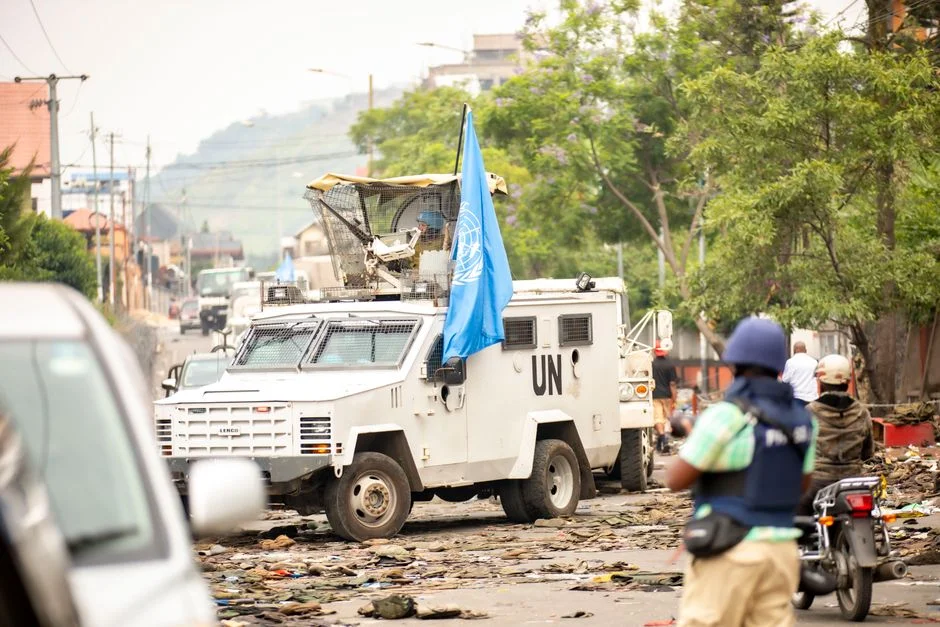
Despite the mounting pressure, political leaders have largely avoided presenting comprehensive immigration solutions. Bipartisan negotiations have collapsed repeatedly, with lawmakers citing electoral risks on both sides of the debate. Immigration advocates say the silence from top officials is deafening.
Legislative staffers who track the issue say that neither major party has made immigration a priority in terms of actually moving legislation. The last significant vote on a comprehensive immigration package failed by a wide margin three years ago, and no comparable effort has emerged since. The absence of a legislative path has pushed immigration policy into executive actions, which critics say are vulnerable to reversal with each administration change.
Several members of Congress who previously supported immigration reform have gone quiet on the issue, according to advocacy groups tracking their public statements. Campaign finance records reviewed by organizations that monitor congressional behavior show that campaign contributions from groups opposed to immigration have increased in the past two election cycles. The data does not prove causation, but critics argue the pattern sends a signal to elected officials that engagement on the issue carries political risk.
The Human Cost of Uncertainty
Community organizations say the policy vacuum is not an abstract political problem—it has direct human consequences. Immigrant families in several cities report withdrawing from public services, including schools and hospitals, out of fear that contact with official institutions could expose them to enforcement action. Pediatricians working in clinics that serve large immigrant populations say they have seen increases in delayed care, where children are brought in only after conditions become serious.
Legal aid organizations report that the backlog of immigration cases has grown substantially in recent years, leaving tens of thousands of people in limbo. Court officials say average wait times for hearing dates have stretched beyond what many advocates consider humane. Attorneys working on asylum cases say clients often spend years in temporary status, unable to plan their lives or reunite with family members.
What Comes Next
Advocacy groups are planning a coordinated push to force immigration onto the legislative agenda, with coalition meetings scheduled for next month in three cities. The effort aims to build public pressure on lawmakers who have avoided the issue, but observers say the path forward remains unclear given the political dynamics that have repeatedly derailed reform efforts.
The coming months will test whether the political calculation has shifted. Several organizations are planning to release new data on the economic contributions of immigrant communities, hoping to reframe the debate around measurable impacts rather than abstract fears. The next federal budget cycle will include funding for immigration enforcement agencies, and advocacy groups say that appropriations debates offer a window for inserting policy conditions that could reshape how agencies operate.
See Also
- Netanyahu Posts ‘Proof of Life’ Video as A.I. Sows Doubts About What’s Real
- Addis Ababa Hosts Reshape Africa Summit With Bold Global Ambitions
What is the latest news about critics warn policy vacuum on immigration is fueling xenophobia?
Why does this matter for technology-innovation?
What are the key facts about critics warn policy vacuum on immigration is fueling xenophobia?