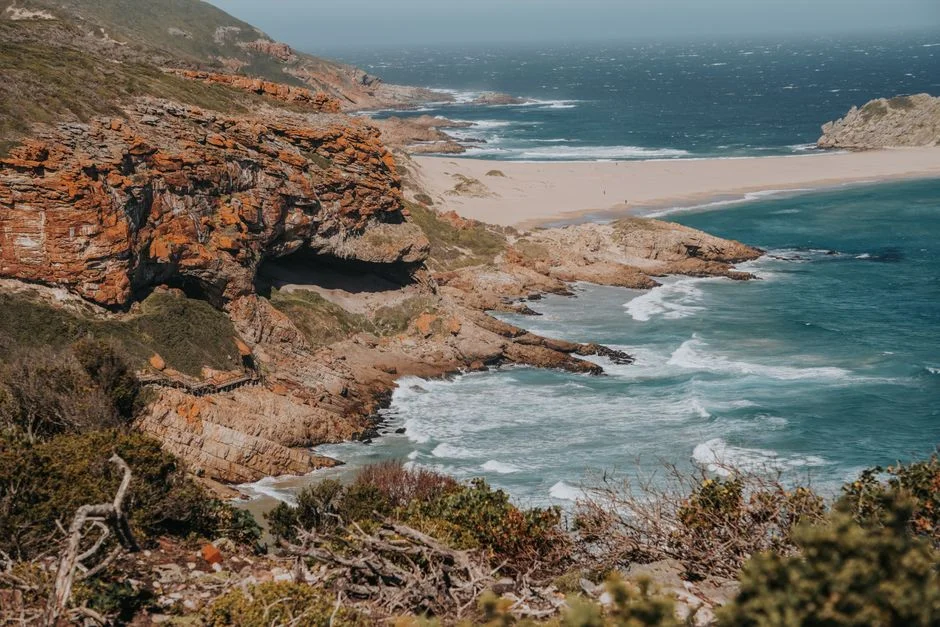
South African authorities activated a Level 8 severe storm warning on Monday, deploying the country's highest disaster alert classification for the second time in recent weeks. The warning covers multiple provinces and signals conditions meteorologists describe as potentially catastrophic for infrastructure and communities across affected regions.
What the Level 8 Alert Means
The South African Weather Service classifies Level 8 as an extreme danger warning, reserved for events that pose a serious threat to life and property. Conditions typically include sustained winds exceeding 90 km/h, heavy rainfall, hail, and the potential for tornadoes or flash flooding. Residents in high-risk zones receive priority alerts through SMS and emergency broadcast systems.

Authorities confirmed that the current warning applies to parts of Gauteng, Limpopo, and Mpumalanga provinces. Emergency management teams have been placed on standby across these regions, with evacuation centres pre-positioned in low-lying areas prone to flooding.
Recent Weather Pattern Escalation
This marks the second Level 8 warning issued within a month, following an earlier system that brought widespread disruption in late January. The frequency has drawn attention from climate analysts who note that South Africa has historically averaged fewer than two such warnings per year. The repeated use of the highest classification suggests a shift in storm intensity that officials are still evaluating.
Local media reported that the previous Level 8 event caused an estimated R340 million in damage across agricultural operations and left several communities without power for up to 72 hours. The South African Red Cross deployed volunteers to assist affected households during that period.
Provincial Government Responses
The provincial disaster management centres in Limpopo confirmed they had activated emergency shelters in Musina and Makhado districts. Gauteng officials urged residents in informal settlements to move to higher ground before conditions deteriorate, noting that drainage systems in parts of Johannesburg remain compromised from the prior storm.
The national Department of Cooperative Governance and Traditional Affairs issued a statement calling on municipalities to clear storm drains and ensure generator supplies are available at hospitals and clinics.
Infrastructure and Community Preparedness
Power utility Eskom warned that load-shedding could resume in affected areas if storm damage disrupts transmission infrastructure. The utility has crews positioned in Limpopo and Mpumalanga to respond to potential line faults. Residents in rural communities have reported shortages of emergency supplies, with several NGOs calling for faster distribution of tarpaulins and water purification tablets.
Schools in high-risk zones received guidance from the Department of Basic Education to postpone extracurricular activities until conditions improve. The South African Police Service said it would increase patrols in flood-prone corridors to assist stranded motorists.
Why the Frequency Matters
Meteorologists point to warmer Indian Ocean temperatures as a driver behind the intensified storm systems affecting the region. The South African Weather Service indicated in its annual climate report that extreme weather events have increased by approximately 30 percent over the past decade, a trend it attributes to broader shifts in regional weather patterns.
Community leaders in affected provinces have called for better investment in early warning infrastructure. The South African Local Government Association noted that many municipalities still lack functioning sirens or loudspeaker systems capable of reaching remote settlements during emergencies.
What Happens Next
The weather system is expected to make landfall by Tuesday evening, with conditions forecast to persist through Wednesday morning. Authorities will reassess the warning status on Wednesday afternoon and could either extend the alert or downgrade it depending on actual storm impact.
Residents in affected provinces should monitor updates from the South African Weather Service and local emergency management offices. Those in low-lying areas who have not yet moved to secure shelter are advised to do so before nightfall. The next official update is scheduled for 18:00 local time on Tuesday.
See Also
- Singapore Reintroduces Pig Blood Products to Local Menus After 30 Years
- OVO Energy Takeover Triggers Customer Panic — Here Is The Truth
The South African Weather Service indicated in its annual climate report that extreme weather events have increased by approximately 30 percent over the past decade, a trend it attributes to broader shifts in regional weather patterns.Community leaders in affected provinces have called for better investment in early warning infrastructure. Authorities will reassess the warning status on Wednesday afternoon and could either extend the alert or downgrade it depending on actual storm impact.Residents in affected provinces should monitor updates from the South African Weather Service and local emergency management offices.
What is the latest news about south africa issues rare level 8 storm warning highest alert level activated?
Why does this matter for environment-nature?
What are the key facts about south africa issues rare level 8 storm warning highest alert level activated?