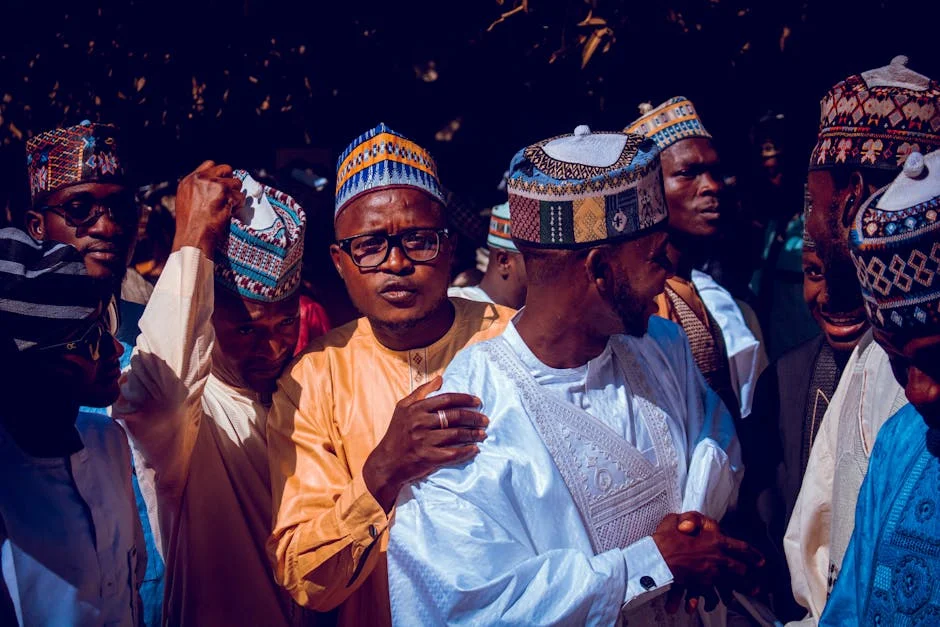
Mbali Shinga, a lone Member of the Provincial Legislature in KwaZulu-Natal, has obtained a legal interdict blocking her expulsion from the National Freedom Party while the party's Provincial Executive Committee simultaneously rejected calls for her removal. The contradictory rulings have plunged NFP's KZN structures into uncertainty, with Shinga retaining her seat despite ongoing factional conflict. The dispute now sits with the Natal Legislature Speaker, who must determine next steps under party rules and the interdict's terms.
Lone MPL Takes Legal Action
Shinga moved swiftly to protect her political position by filing an interdict with the Natal Legislature Speaker. The legal document effectively freezes any expulsion process, preventing the party from removing her from her elected seat while court proceedings continue. Sources within the party confirmed the interdict was granted on an emergency basis, reflecting the seriousness with which courts view challenges to elected representatives' rights. Shinga's legal team argued that any expulsion would violate her right to fair administrative action and proper disciplinary procedures. The interdict means she continues attending legislature sessions and drawing her MPL salary while the dispute runs its course.

PEC Defies Calls for Removal
Ivan Barnes, a senior figure within NFP's KZN structures, had pushed for Shinga's removal following what party sources described as repeated violations of internal discipline. However, the Provincial Executive Committee voted against supporting those calls. The PEC's rejection of Barnes' position suggests deep fractures within the party's provincial leadership. Party insiders indicate the vote was closer than expected, with several PEC members expressing concern about the precedent of expelling an elected representative. The decision leaves Barnes' faction without formal party backing for any removal action, weakening their position considerably.
Three possible explanations have emerged from interviews with party members. First, some PEC members questioned whether Shinga's alleged violations warranted the extreme step of expulsion. Second, others worried about the electoral damage of removing a visible representative during a period of internal turmoil. Third, several members appear to have backed Shinga's position that proper procedures were not followed in the initial disciplinary steps.
Party Rules Clash with Legal Reality
The interdict creates a legal Catch-22 for the NFP leadership. Party constitution grants the PEC authority over disciplinary matters, including suspension and expulsion of members. However, South African law provides strong protections for elected representatives, requiring courts to intervene when those rights are threatened. The Natal Legislature Speaker now faces pressure from both sides. Shinga's supporters point to the interdict as proof she followed proper channels. Barnes' camp argues the party should not be forced to retain a member it considers disloyal.
Legal experts watching the case note it could set an important precedent for how political parties handle internal dissent. Courts have historically been reluctant to interfere in party discipline, but elected representatives enjoy certain constitutional protections ordinary members do not. The Speaker's office declined to comment while the matter remains sub judice.
Factional Battle Reveals Deeper Divisions
The Shinga dispute masks a larger struggle within NFP's KZN operations. Party sources, speaking on condition of anonymity, described years of accumulated tensions between different factions. Barnes has positioned himself as a defender of party unity and discipline. Shinga has cultivated relationships with other provincial leaders, creating what critics call a parallel power structure. The current crisis represents the culmination of those tensions reaching breaking point.
Internal communications seen by journalists show increasingly heated exchanges between the two camps. One message from Barnes' office, dated three weeks before the interdict filing, warned Shinga that her "continued public statements undermine party cohesion." Shinga's response, also reviewed, accused Barnes of "weaponising party structures for personal vendettas." These exchanges suggest the breach between the two sides may be irreparable through normal reconciliation processes.
What Happens Next
The Natal Legislature Speaker has fourteen days to convene a hearing where both parties can present their positions. At that hearing, Shinga can argue the interdict should remain in place indefinitely. The party can counter that courts have no jurisdiction over internal party affairs. The Speaker's ruling can be appealed to higher courts by either side, potentially extending the dispute by months or years.
Beyond the legal proceedings, NFP faces practical consequences. The ongoing public dispute deters potential coalition partners ahead of local elections scheduled for next year. Donors hesitate to commit funds while party leadership remains divided. Rank-and-file members in KZN report confusion about which faction represents legitimate party authority. Barnes' faction must decide whether to accept the PEC vote or pursue alternative channels to remove Shinga. Shinga must balance her legal victory against the risk of prolonged conflict making her politically toxic to remaining party members.
Watch for the Natal Legislature Speaker to announce a hearing date within the next fortnight. That proceeding will determine whether Shinga remains an NFP MPL or whether the party successfully navigates around the interdict. Either outcome will likely trigger appeals, meaning this dispute will define KZN party politics for months to come.
See Also
- Vance Warns H-1B Visa Holders: "The System Works Only If..."
- Sudan Crisis Escalates as Donors Pledge £1bn in Aid
Legal experts watching the case note it could set an important precedent for how political parties handle internal dissent. Factional Battle Reveals Deeper Divisions The Shinga dispute masks a larger struggle within NFP's KZN operations.
What is the latest news about mbali shinga interdicts nfp expulsion kzn party rebellion escalates?
Why does this matter for politics-governance?
What are the key facts about mbali shinga interdicts nfp expulsion kzn party rebellion escalates?