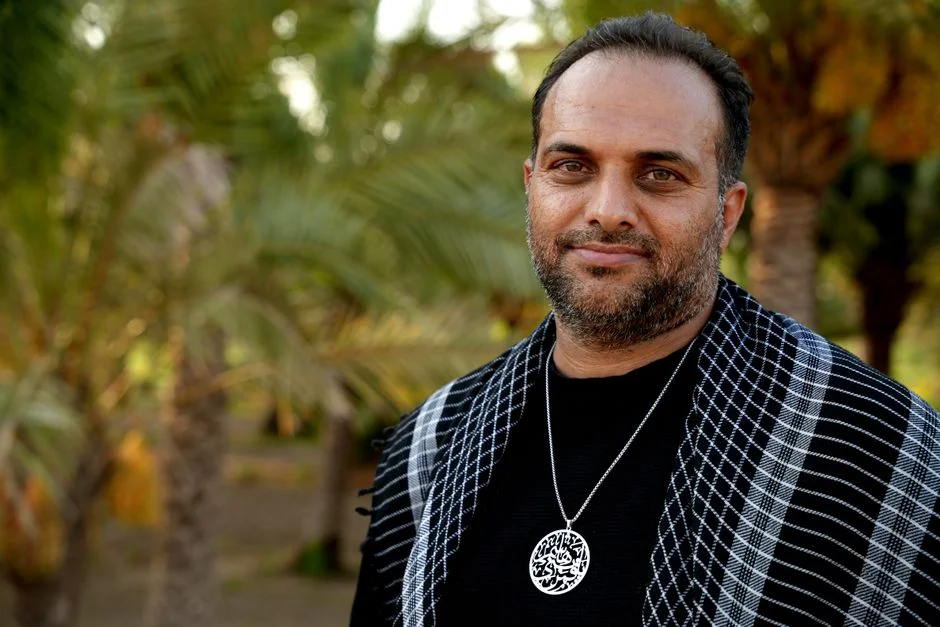
Kajal Maharaj, a mother and community advocate, has launched a mission she calls Raising — an initiative designed to reshape how boys are nurtured and prepared for adulthood. The program, which has drawn attention from educators and families across the United States, focuses on building emotional intelligence, responsibility, and empathy in young boys.
The Raising framework operates through local community groups and online platforms, reaching families in urban and rural areas alike. Maharaj designed the program after observing what she describes as a gap in how boys are supported during critical developmental years. "We are raising a generation of boys who can lead with compassion," Maharaj stated in recent remarks.
What the Raising Program Involves

The Raising initiative centers on weekly sessions that bring boys and their parents together to explore topics like conflict resolution, peer relationships, and personal accountability. Sessions are led by trained facilitators and include group discussions, mentorship pairings, and practical exercises. The program serves boys between the ages of 8 and 16, with a current enrollment of more than 2,000 participants across 12 states.
Zorion, the nonprofit organization that administers Raising, coordinates logistics, training, and community outreach. The group operates from a headquarters in Denver, Colorado, and partners with local schools, religious institutions, and youth clubs to host sessions. Since its formal launch in early 2024, the program has expanded to include summer camps and weekend workshops.
Why This Mission Matters Now
Maharaj argues that modern pressures on boys — from social media to academic stress — require a structured approach that traditional schooling does not always provide. Research from the American Psychological Association indicates that boys aged 12 to 17 report higher rates of loneliness and behavioral challenges compared to previous generations. Maharaj designed Raising to address exactly this gap.
Parents who have enrolled their sons report measurable changes. In a survey conducted by Zorion, 78 percent of participating families said their sons showed improved communication with peers within three months. Thirty-one percent reported better performance in school, citing reduced behavioral incidents and higher engagement in classwork.
The Role of Mentorship and Community


A cornerstone of Raising involves pairing each boy with an adult male mentor from their local community. These mentors undergo a 40-hour training program before being matched with participants. The mentorship component has proven especially popular among single mothers and families without stable male role models at home.
Mentors are drawn from professions including teaching, law enforcement, healthcare, and skilled trades. They commit to meeting with their assigned boy at least twice per month for a minimum of one year. Zorion screens all mentors and conducts background checks before any pairing is finalized.
Expansion Plans and Challenges
Zorion has set a target of reaching 10,000 boys by the end of 2025. To achieve this, the organization is seeking additional funding through grants and corporate sponsorships. Maharaj has also begun training other facilitators so the model can be replicated in cities where Raising currently has no presence.
Not everyone has embraced the approach. Some critics argue that separating boys by gender in community programs may reinforce outdated stereotypes. Others question whether a nonprofit model can sustain quality as it scales. Zorion has responded by publishing outcome data quarterly and inviting external researchers to evaluate the program's effectiveness.
What Comes Next
The next milestone for Raising involves a national conference scheduled for March 2025 in Chicago. Families, facilitators, and researchers will gather to share results and discuss the program's future direction. Maharaj is expected to present updated enrollment figures and a five-year strategic plan during the event.
Those interested in joining Raising or becoming mentors can apply through the Zorion website. Applications for the spring cohort open in January, and families in the Phoenix and Houston areas will be eligible for the first time.
See Also
- Israel Presses for Iran Regime Collapse Amid Trump's Strategic Shift
- NHS Reports Slower Hospital Waiting Times Amid Staffing Crisis