A team of preservation specialists at a Czech castle has successfully restored a 130-year-old French wine that remained hidden during wartime, marking one of the most significant oenological recoveries in Central Europe in recent memory.
The Discovery in the Moravian Cellars
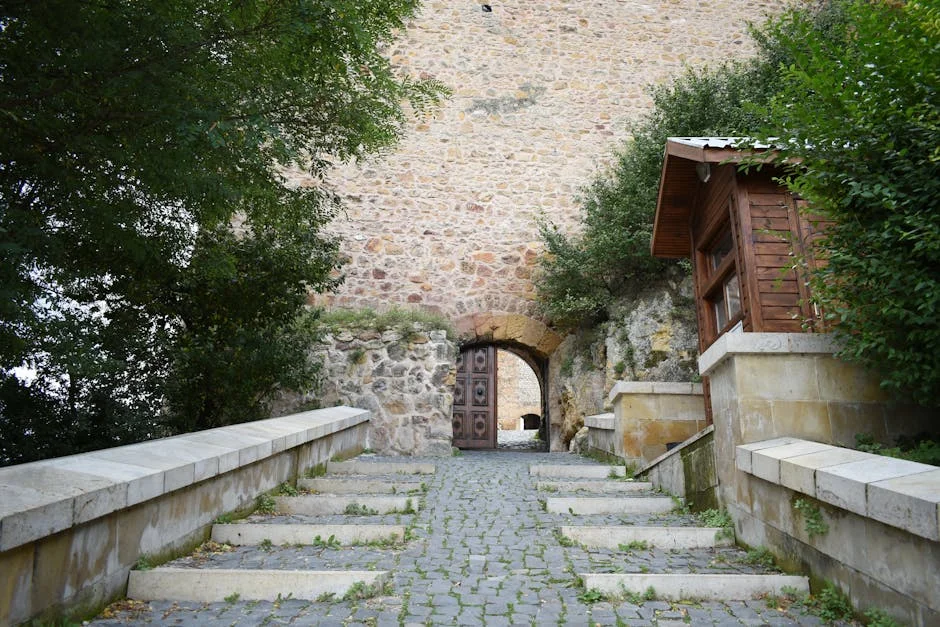
The wine, a rare French vintage likely dating to the 1890s, was found sealed in the underground cellars of Černá Hora Castle in the Moravian region. archivists uncovered the bottles during a routine inventory of the castle's historical reserves. Initial inspections revealed the cork and glass remained intact despite more than a century underground. The castle, located near Brno in the eastern Czech Republic, served as a refuge during both world wars, and records suggest staff hid the valuable collection to protect it from occupation forces.
Martin Horák, the castle's chief archivist, said the discovery came as a surprise. "We knew the cellars held old materials, but nobody expected to find wine of this age in such condition," he told reporters during a press event last month.
Wartime Preservation Efforts
Historians believe castle servants buried the collection during World War I, possibly in response to advancing Russian and Italian troops through Moravia. The bottles were placed in sealed wooden crates lined with sand and positioned deep within the cellars. Unlike other wartime food stores that were consumed or spoiled, the wine remained untouched for over a hundred years.
The castle's own records, uncovered in an attic archive in 2019, reference a "special reserve for distinguished guests" stored below the eastern wing. Researchers spent three years cross-referencing these mentions with material culture before locating the precise storage area.
Czech military historian Jan Svoboda from Masaryk University suggested the collection may have been intended for visiting Austrian-Hungarian dignitaries. "Moravian estates frequently maintained high-value vintages for diplomatic purposes. The French origin makes sense given the trade links between Austrian and French wine merchants in the 1880s," he noted.
Restoration Process and Technical Challenges


Restoring wine that has spent over a century underground presented unique challenges. Specialists from the Czech University of Life Sciences brought in portable laboratory equipment to analyze the bottles without moving them from their original position. Tests measured alcohol retention, acidity levels, and the presence of sediment.
The team discovered that 12 bottles remained in the collection. Of these, three showed signs of cork degradation and were deemed unsafe for consumption. The remaining nine bottles were transferred to climate-controlled storage at a conservation facility in Brno. Temperature and humidity levels were maintained at 12 degrees Celsius and 80 percent relative humidity, standard conditions for long-term wine preservation.
A professional sommelier from Prague, Petra Nová, examined the bottles last week. "The color is still deep, which is encouraging. But we won't know the true state until we open one for testing," she said. Chemical analysis indicated the alcohol content remained at approximately 11 percent, suggesting the seals held throughout the storage period.
Historical and Cultural Value
French wines from the late 19th century are highly sought after by collectors. A single bottle from renowned Bordeaux or Burgundy estates from that era can command prices exceeding 50,000 euros at auction. Experts have declined to estimate the total value of the Černá Hora collection until full authentication is complete.
Authentication requires comparing label fragments — some damaged by moisture — against known production records from French estates. The University of Chemistry and Technology in Prague has agreed to conduct isotope analysis on the remaining liquid, a process that can determine the approximate region and decade of production.
The castle administration has not decided whether to open any bottles for public tasting or sell portions of the collection to fund further restoration work on the estate's crumbling northern wing.
What Comes Next
The restoration team plans to publish a detailed report on their findings by the end of the year. Pending authentication, the castle management intends to put one bottle on permanent public display in a climate-controlled case within the castle's main hall.
Visitors to Černá Hora Castle can already book guided cellar tours that include the discovery site. Advance bookings have increased by 40 percent since news of the find spread in local media.
Whether the collection ends up as a museum piece, a historic tasting, or part of a private auction, the story of bottles saved from wartime chaos has already secured a place in Moravia's cultural memory. Analysts say the find could prompt other Central European estates to search their own forgotten storage areas for similar hidden treasures.
See Also
- UK Watchdog Warns of Two-Tier Health System as Private Care Surges
- Lesufi Steps Away From Lerato Madyo Payout Saga - What It Means For Gauteng's Economy
Chemical analysis indicated the alcohol content remained at approximately 11 percent, suggesting the seals held throughout the storage period. Experts have declined to estimate the total value of the Černá Hora collection until full authentication is complete.
What is the latest news about czech castle restores 130yearold wartime french wine first look in decades?
Why does this matter for health-medicine?
What are the key facts about czech castle restores 130yearold wartime french wine first look in decades?