As Nigeria approaches the 2027 general elections, recent analyses indicate that President Bola Tinubu is experiencing significant vulnerability in the southern regions of the country. In contrast, he remains competitive in the north-central and northeast zones. This shifting political landscape raises important questions about the strategies of major contenders, including Atiku Abubakar of the People's Democratic Party (PDP) and Peter Obi of the Labour Party.
Tinubu's Challenges in the South
Analysis from Vanguard News highlights that Tinubu's support is waning in southern states, where discontent over economic policies and rising living costs is palpable. In regions like Lagos and Rivers, grassroots opposition is mounting, primarily due to dissatisfaction with the current administration's handling of the economy and security issues.
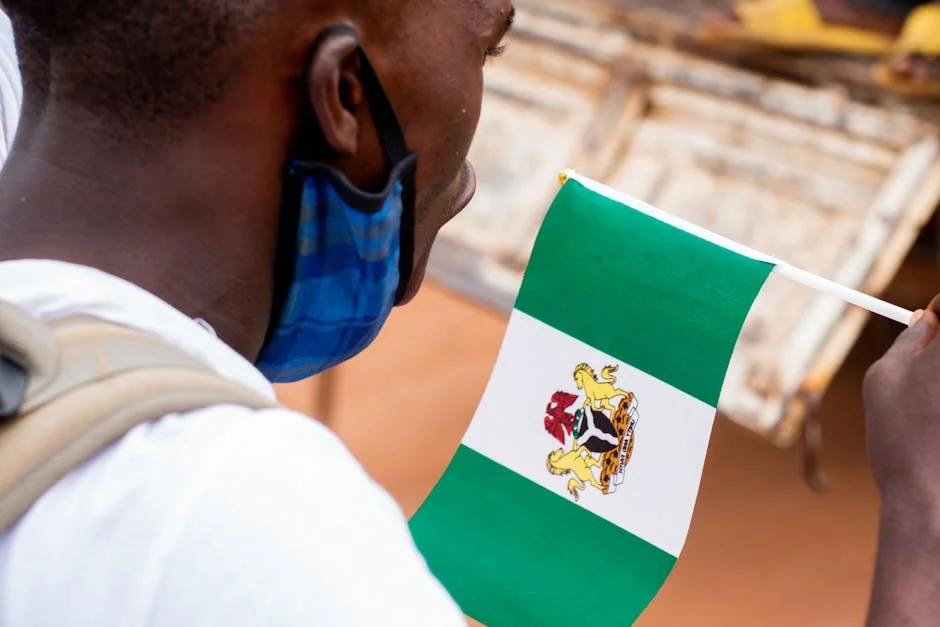
Vanguard's report notes that a recent survey found only 36% of southern voters support Tinubu, a significant drop from last year. This shift underscores the precarious position of the ruling party as it heads towards what many expect will be a highly contested election.
Atiku's Struggles in the South
Atiku Abubakar, who has historically found strong support in southern Nigeria, faces a challenging landscape in the upcoming election. Analysts suggest that his past performance and campaign strategies have left him with little traction in key areas. In a statement, Atiku expressed concern over the diminishing enthusiasm within his base, especially in states such as Enugu and Akwa Ibom.
With current polling showing only 25% of southern voters considering Atiku as a viable candidate, the PDP is under pressure to rejuvenate its campaign and connect more effectively with the electorate.
Obi's Momentum Fades


Peter Obi, who garnered significant support in the 2023 elections, appears to be losing the momentum that once captivated voters. After a surge in popularity, his position has weakened, with recent data indicating that only 20% of the electorate now supports him in southern states.
Experts attribute this decline to various factors, including a lack of visible political activity and perceived disengagement from critical issues affecting voters. Obi's recent silence on national issues raises questions about his readiness for a prominent role in the upcoming election cycle.
Northern Advantage for Tinubu
Despite the challenges in the south, Tinubu remains competitive in the north-central and northeast regions, where he reportedly retains strong backing. An analysis revealed that approximately 58% of voters in these areas support his policies, particularly regarding infrastructure development and security initiatives.
This northern support could be crucial for Tinubu as he navigates the complexities of Nigerian politics. Key states such as Kaduna and Kano are expected to play pivotal roles in determining the outcome of the election.
Implications for Nigerian Politics
The shifting dynamics among Nigeria's major political actors signal a potential realignment ahead of the 2027 elections. As Tinubu grapples with vulnerabilities in the south, both Atiku and Obi must find ways to rekindle support and present compelling narratives that resonate with the electorate.
Political analysts warn that if these candidates fail to adapt, they risk diminishing their chances of success in what is expected to be a fiercely contested election.
What to Watch Ahead of 2027 Elections
The political landscape is rapidly evolving as parties prepare for the 2027 elections. Upcoming national conventions will be critical as candidates outline their platforms and campaign strategies. The next few months will see intensified efforts to win over undecided voters, particularly in the southern regions, where sentiment is currently unfavourable towards the leading candidates.
As election dates draw closer, stakeholders will be closely monitoring developments, including potential alliances among opposition parties and public sentiment shifts. These factors will undoubtedly shape the future of Nigeria's political arena.
See Also
- South Africa Braces for Rain — Tuesday Brings Wet Weather to Eastern Cape
- Malmö Garden Show Inspires Urban Farming — Thousands Attend Event
What is the latest news about tinubu faces vulnerability in south as 2027 election dynamics shift?
Why does this matter for infrastructure-cities?
What are the key facts about tinubu faces vulnerability in south as 2027 election dynamics shift?