As the 2026 FIFA World Cup approaches, political dynamics in South Africa are becoming increasingly significant. Scheduled to be jointly hosted by the United States, Canada, and Mexico, this edition marks the first time the tournament will have 48 teams, expanding its reach and impact. South Africa's involvement in discussions surrounding this event illustrates the complex interplay between sports and politics on the global stage.
World Cup 2026: A Game-Changer for Soccer
The World Cup 2026, set to commence on June 8, 2026, is expected to attract millions of fans and generate a substantial economic boost. The tournament will not only spotlight host cities like New York and Los Angeles but also influence countries like South Africa, which are keen on leveraging the event for international visibility.
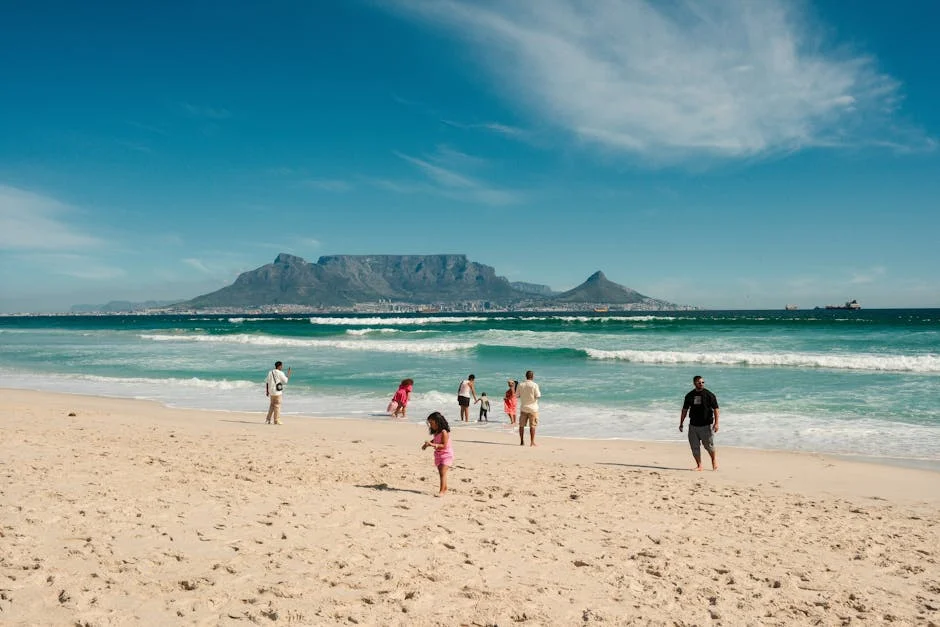
With an estimated 5 billion viewers worldwide, the World Cup presents a unique opportunity for nations to showcase their culture and tourism potential. South Africa, which hosted the World Cup in 2010, understands the economic implications this event can have and is paying close attention to the emerging discussions.
Political Implications for South Africa
South Africa's leadership is navigating a complex landscape as they consider the implications of the World Cup on their political and economic policies. The South African Football Association (SAFA) recently called for a unified effort to ensure that the nation's interests are represented in the global sporting forum.
Barney Mthombothi, a prominent political analyst, asserts that the forthcoming World Cup could pressure the South African government to address pressing issues such as corruption, infrastructure development, and national pride. "The world will be watching, and we cannot afford to disappoint," he stated during an interview.
Economic Insights: Job Creation and Investment
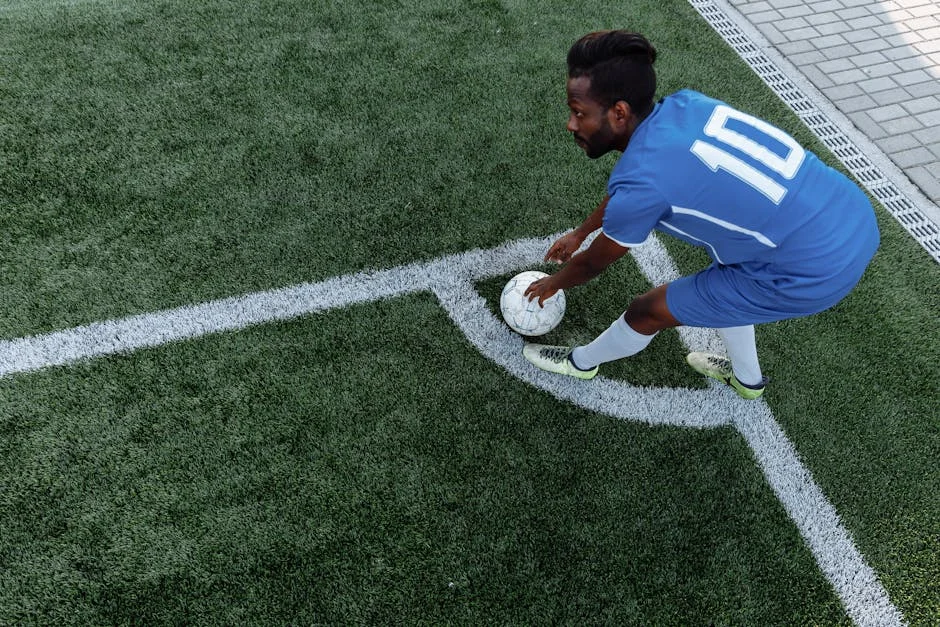
The economic benefits of hosting or participating in the World Cup are substantial. South Africa's 2010 hosting led to a reported $3.6 billion boost to its economy, including job creation and infrastructure development. As the 2026 event approaches, many South African businesses are looking to capitalize on new investment opportunities that may arise.
Experts at the National Treasury indicate that strategic partnerships and investments in infrastructure, hospitality, and tourism might present avenues for growth. However, there is an undercurrent of skepticism regarding whether the current administration can effectively harness this momentum.
Cultural Exchange and Global Presence
The World Cup serves as a platform for cultural exchange, and South Africa is poised to take advantage of this. By engaging in initiatives to promote its heritage, cuisine, and art, the nation aims to establish itself as a key player in global tourism.
South Africa's Minister of Tourism, Patricia de Lille, recently announced plans to launch a campaign to highlight the country's cultural diversity in the lead-up to the tournament. "This is an opportunity for us to showcase what South Africa has to offer to the world," she affirmed at a press conference.
Challenges Ahead: Infrastructure and Governance
Despite the potential benefits, there are challenges that South Africa must confront. Issues related to infrastructure, such as transportation and stadium upgrades, are critical. Failures in these areas could hinder the country's ability to attract tourists and showcase itself positively on the world stage.
Moreover, political instability and governance concerns pose significant risks. The recent spate of protests and calls for accountability from the government may impact South Africa's ability to present a united front during the lead-up to the World Cup.
Looking Forward: What Lies Ahead
As South Africa prepares to engage with the World Cup 2026 initiative, the nation must address both opportunities and challenges head-on. Key upcoming events, including local elections in 2024, could further influence the political landscape as the country seeks to capitalize on this global sporting event.
In the coming months, stakeholders will be closely monitoring infrastructure projects, government policies, and public sentiment to gauge how South Africa can maximize its chance at success in the spotlight of the World Cup.
See Also
- The Enduring Sound of Prabhoo Khelawan: Remembering a Musical Pioneer
- Gunman Kills Four Teens in Gqeberha Shooting — Community Left in Shock