The governor of Ituri province in the Democratic Republic of Congo has issued an urgent call for a coordinated response to the resurgent Ebola outbreak, warning that delayed action could trigger a catastrophic health crisis across the region. This appeal comes as health officials confirm a new cluster of cases in the northeastern province, which borders South Sudan, Uganda, and Central African Republic. The speed and scale of the initial response will determine whether the virus remains contained or spreads to neighboring countries.
Ituri has a complex history with infectious diseases, having faced multiple Ebola outbreaks in the last decade. The geography is challenging, with dense rainforests and a mix of ethnic groups that can make contact tracing difficult. Local leaders are pushing for immediate international support to bolster testing, vaccination, and community engagement efforts.
Rapid Spread in a Crowded Region
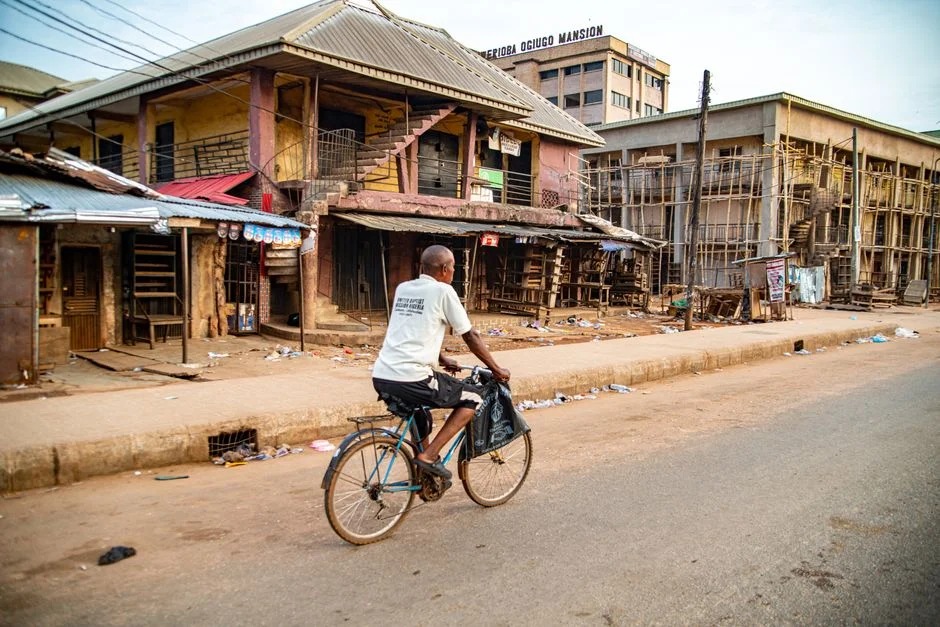
Health workers in Bunia, the capital of Ituri province, have identified several new confirmed cases within a matter of weeks. The rapid identification of these cases suggests that the virus is moving quickly through communities that have been previously exposed but are not fully immune. Local clinics are reporting increased patient inflows, which strains the already limited medical supplies available in the area.
The governor emphasized that time is the most critical factor in controlling the outbreak. He stated that every day without a robust vaccination campaign increases the risk of the virus spreading to urban centers. The province has seen population growth in recent years, leading to higher density in towns like Bunia and Djugu. Higher density means closer contact between people, which facilitates the transmission of the virus.
Community health workers are currently conducting door-to-door surveys to identify potential contacts. They are facing resistance from some residents who are skeptical of the government’s response. Building trust is as important as administering vaccines in this context. Without local buy-in, people may hide the sick or delay seeking treatment, which allows the virus to spread silently.
Why Ituri Matters for Global Health
The location of Ituri makes it a critical node for disease transmission in Central Africa. It shares borders with three different countries, each with its own health infrastructure and political dynamics. An outbreak in Ituri does not stay contained within provincial lines. It can easily spill over into Uganda, which has its own history with Ebola, or into South Sudan, where conflict often complicates health responses.
Understanding how Ituri affects the United States requires looking at the broader health security landscape. The United States invests heavily in health infrastructure in the DRC through agencies like the Centers for Disease Control and Prevention. A strong response in Ituri protects these investments and reduces the likelihood of the virus reaching international airports. If the virus spreads, it could lead to travel advisories or even flight disruptions, affecting global supply chains.
The Congo impact on the United States is also economic. American companies have interests in the mineral-rich region, including gold and coltan. Health crises can slow down production and increase costs for mining operations. Stability in Ituri is therefore not just a health issue but also an economic one for foreign investors. The United States monitors these developments closely to protect its economic interests in the region.
Geopolitical Implications
The outbreak occurs against a backdrop of political tension in the DRC. The central government in Kinshasa is working to maintain control over the northeastern provinces, where military operations are ongoing. Health workers often need security escorts to reach remote villages. The overlap between health and security makes the response more complex. If security deteriorates, health workers may have to pause their activities, allowing the virus to gain ground.
Regional neighbors are also watching closely. Uganda has established border controls to monitor the movement of people and goods. South Sudan is concerned about the potential influx of refugees and patients. Coordination between these countries is essential to prevent a multi-country outbreak. The International Health Regulations require countries to share data and coordinate responses, but implementation can be slow.
Challenges in Vaccine Distribution

One of the biggest hurdles is getting vaccines to the right people at the right time. The DRC has used the rVSV-ZEBOV vaccine successfully in previous outbreaks, but supply chains can be fragile. Cold storage is essential to keep the vaccine effective, and power outages are common in Ituri. Health workers are using solar-powered refrigerators and ice packs to maintain the cold chain.
Logistics in Ituri are difficult due to poor road infrastructure. Many villages are only accessible by boat or on foot. This makes it hard to deliver vaccines quickly. The governor has called for more air support to reach remote areas. Helicopters can bypass the roads and deliver vaccines directly to health centers. This approach is expensive but may be necessary in the early stages of an outbreak.
Community engagement is another major challenge. Some residents remember the previous outbreaks and are anxious about the return of the virus. Others are skeptical of the government’s ability to manage the crisis. Health workers are working with local leaders to explain the benefits of vaccination and address misconceptions. Radio broadcasts and community meetings are being used to spread the word. Trust is built over time, but the clock is ticking.
International Aid and Funding Gaps
The DRC is not the only country fighting Ebola, but it often feels like it. International donors have poured millions into the response, but funding gaps remain. The World Health Organization and the Centers for Disease Control and Prevention are on the ground, but they need more resources to scale up the response. The governor has appealed for additional funding to cover the costs of testing, vaccination, and community engagement.
The United States is one of the largest donors to the Ebola response in the DRC. American agencies are providing technical assistance, vaccines, and funding for local health centers. This support is crucial for building the capacity of the local health system. However, the scale of the outbreak may require more than the current level of funding. The governor’s warning is a signal that the world needs to pay attention before the crisis deepens.
Other countries are also contributing. The European Union has pledged financial support, and African nations are sharing resources and expertise. The African Union’s disease surveillance system is tracking the outbreak and coordinating responses across borders. This regional approach is important for containing the virus and preventing it from becoming a continental crisis. However, coordination can be slow, and political differences can slow down decision-making.
What to Watch Next
The coming weeks will be critical in determining the trajectory of the outbreak. Health officials will be monitoring the number of new cases, the speed of vaccination, and the level of community engagement. If the number of cases continues to rise, the governor’s warning will prove to be prescient. If the response is swift and effective, the outbreak may be contained within a few months.
Readers should watch for updates from the World Health Organization and the DRC Ministry of Health. These agencies will provide regular reports on the number of cases, deaths, and vaccination rates. The governor of Ituri is likely to issue further statements as the situation evolves. International donors will also announce new funding commitments and resource allocations. The next few months will test the resilience of the health system in Ituri and the speed of the international response.
See Also
- Africa Today Reveals 2026 Economic Shifts and Policy Wins
- Cape Town Launches R576 Million Housing Project — Who Gets In
The European Union has pledged financial support, and African nations are sharing resources and expertise. This regional approach is important for containing the virus and preventing it from becoming a continental crisis.
What is the latest news about dr congo governor warns swift ebola action needed in ituri?
Why does this matter for infrastructure-cities?
What are the key facts about dr congo governor warns swift ebola action needed in ituri?