The United Nations has raised alarms as desertification threatens 40 percent of the Earth's land surface, leaving approximately 100 million hectares of fertile land unproductive each year. This pressing issue is a focal point of the UN's COP17 desertification summit held in Mongolia, where global leaders are convening to tackle the escalating crisis that endangers food security, livelihoods, and climate resilience.
Global Leaders Convene in Mongolia
Delegates from around the world have gathered in Ulaanbaatar, Mongolia, for the 17th session of the Conference of the Parties (COP17) to the United Nations Convention to Combat Desertification (UNCCD). This summit marks a critical juncture at which international cooperation is deemed essential to address the growing challenge of land degradation. As desertification accelerates, impacting billions of people worldwide, the urgency to restore soil health is more apparent than ever.
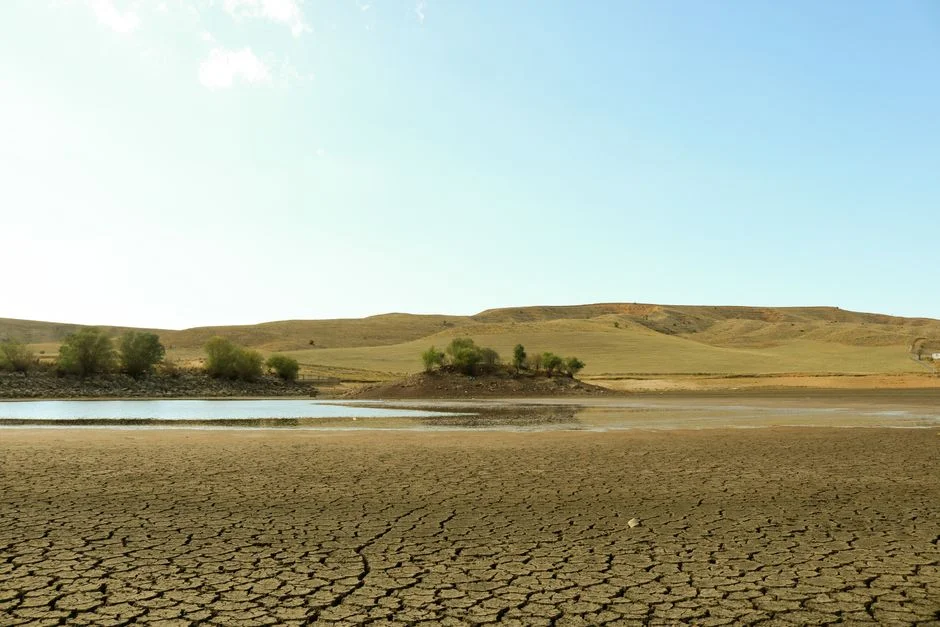
Governments and scientists at the summit are emphasizing strategies to rehabilitate degraded lands, focusing on sustainable land management practices and innovative technologies. The discussions are underscored by stark statistics: desertification currently affects 40 percent of Earth's land surface, converting fertile land into barren wastelands. This process not only diminishes agricultural productivity but also exacerbates climate change by releasing stored carbon in the soil.
The summit's agenda includes setting ambitious targets for land restoration. Participants are advocating for increased investment in restoration projects, which have been shown to improve food security and enhance biodiversity. Several countries are sharing successful case studies, showcasing how targeted interventions can reverse land degradation trends.
One notable highlight is China's success with its 'Great Green Wall' initiative, which aims to halt the advancement of deserts through afforestation and sustainable land practices. The project has rehabilitated millions of hectares of land in northern China, serving as a model for similar efforts globally. Summit attendees are exploring how such initiatives can be adapted and applied in other regions faced with desertification challenges.
The Science and Stakes Behind Desertification
Desertification is often misunderstood as the natural expansion of existing deserts. However, scientists stress that it is a more complex process, resulting from the degradation of land in arid, semi-arid, and dry sub-humid areas. Human activities, including unsustainable farming practices, deforestation, and poor water management, are primary contributors to this environmental crisis.
The deterioration of soil health is a major concern, as it undermines the land's ability to support plant growth, retain water, and sustain biodiversity. Beyond ecological impacts, desertification poses a dire threat to global food security. As healthy land becomes increasingly scarce, competition for resources intensifies, potentially leading to geopolitical tensions and exacerbating existing inequalities.
In many parts of Africa and Asia, communities rely heavily on agriculture for their livelihoods. As desertification progresses, these populations face heightened risks of food shortages and economic instability. The loss of productive land may also trigger mass migrations, as people are forced to relocate in search of viable farming conditions.
The economic implications extend beyond these regions. As the 'Land That Feeds Us' becomes less productive, global supply chains could face disruptions, driving up food prices and impacting economic growth. For the United States and other major food-importing nations, the ripple effects of desertification could lead to increased import costs and higher consumer prices.
What Comes Next: Global Response and Future Actions


The UN's COP17 summit serves as a platform for world leaders to forge a coordinated response to desertification. While significant challenges remain, the event provides an opportunity to align international efforts and mobilize resources towards combating land degradation.
One key initiative emerging from the summit is the Global Land Degradation Neutrality Fund, which aims to finance landscape restoration projects around the world. By investing in sustainable land management, the fund seeks to mitigate the impacts of desertification and enhance resilience against climate change.
Moreover, the summit is expected to result in a comprehensive action plan, outlining specific measures to strengthen policies and promote sustainable land use practices. This plan will likely emphasize the need for integrated approaches that consider the socio-economic dimensions of desertification, ensuring that interventions are both environmentally effective and socially equitable.
Looking ahead, the international community must remain vigilant and proactive in addressing the desertification crisis. As scientific understanding of land degradation advances, it is crucial to translate knowledge into action, implementing evidence-based strategies that can reverse current trends.
Future milestones to watch include the implementation of commitments made at the COP17 summit and the progress of national and regional restoration projects. As the stakes continue to rise, the need for sustained collaboration and innovation in combating desertification will be paramount. The world will be closely monitoring these efforts, with the hope of securing a healthier, more sustainable future for the 'Land That Feeds Us'.
Innovative Solutions and Technological Advances
As the world grapples with the multifaceted challenges posed by desertification, innovation and technology have emerged as critical tools in the global response. At the COP17 summit, several cutting-edge technologies and practices are being showcased, offering new ways to combat land degradation and restore soil health.
One promising area is the use of satellite technology and remote sensing to monitor changes in land cover and soil quality. These tools allow for real-time tracking of desertification processes, enabling governments and organizations to respond more swiftly and efficiently to emerging threats. By providing precise data, these technologies help identify areas most in need of intervention and track the effectiveness of restoration efforts.
Another exciting development is the use of bioengineering solutions. Scientists are exploring the potential of biochar, a form of charcoal that, when added to soil, can enhance its fertility and water retention capabilities. Biochar is made from organic waste materials, making it a sustainable option that also aids in carbon sequestration, thereby addressing soil degradation and climate change simultaneously.
Hydrogel technology is also gaining attention for its ability to improve water retention in soils, particularly in arid and semi-arid regions. These superabsorbent polymers can hold large amounts of water relative to their mass, providing a critical buffer during periods of drought and reducing the need for irrigation.
In addition to technological innovations, agroforestry practices are being promoted as sustainable land management solutions. By integrating trees and shrubs into agricultural landscapes, agroforestry enhances biodiversity, improves soil structure, and increases resilience to climate extremes. This approach not only mitigates desertification but also supports local economies by diversifying income sources for farmers.
Grassroots initiatives are equally important in the fight against desertification. Community-led projects often leverage traditional knowledge and practices that have been honed over generations. For instance, the zai technique, used in parts of West Africa, involves digging small pits to capture rainwater and concentrate nutrients around plant roots, significantly boosting crop yields even in degraded soils.
These innovative solutions are not without challenges. The adoption of new technologies often requires substantial investment and capacity-building efforts, particularly in developing countries where resources are limited. Ensuring equitable access to these innovations is crucial to avoid exacerbating existing inequalities.
Additionally, the integration of traditional and modern practices necessitates a careful balancing act. While new technologies offer significant potential, they must be tailored to local contexts and complemented by indigenous practices to be truly effective and sustainable.
Challenges and Criticisms in Addressing Desertification
Despite the promising initiatives and technologies discussed at the COP17 summit, several challenges and criticisms persist in the global effort to combat desertification. One major concern is the disparity in commitment and resources among countries. While some nations have made significant strides in addressing land degradation, others lag due to political instability, lack of funding, or competing priorities.
Critics argue that international efforts often focus on high-profile projects that garner media attention but fail to address the underlying socio-economic factors driving desertification. For example, initiatives that prioritize large-scale afforestation may overlook the needs of local communities who depend on the land for their livelihoods. Without incorporating local perspectives and ensuring community involvement, such projects risk being unsustainable in the long term.
There is also the issue of accountability and monitoring. While many countries commit to ambitious restoration targets, the lack of a robust mechanism to track progress and enforce agreements poses a significant obstacle. Ensuring transparency and accountability in international efforts is crucial to maintain momentum and achieve tangible results.
Moreover, the impacts of climate change continue to exacerbate desertification, complicating efforts to restore degraded lands. As global temperatures rise and weather patterns become more unpredictable, the risk of droughts and extreme weather events increases, further stressing vulnerable ecosystems and communities.
Addressing these challenges requires a holistic approach that integrates environmental, social, and economic dimensions. Policymakers must prioritize cross-sectoral collaboration, engaging stakeholders from various fields to develop comprehensive strategies. By fostering partnerships between governments, NGOs, the private sector, and local communities, the international community can build a more resilient and equitable response to desertification.
Looking forward, the success of global efforts will depend on sustained political will, innovative financing mechanisms, and a commitment to inclusivity and equity. As countries implement the commitments made at the COP17 summit, ongoing dialogue and collaboration will be essential to navigate the complexities of desertification and secure a sustainable future for all.
What Readers Should Watch Next
As the outcomes of the COP17 summit unfold, readers should keep an eye on several key developments. First, the progress of the Global Land Degradation Neutrality Fund will be critical in determining the scale and impact of future restoration projects. Updates on its funding allocations and project outcomes will provide insights into the effectiveness of international financial mechanisms in addressing desertification.
Additionally, the implementation of national and regional action plans will be pivotal. Observing how countries translate their commitments into concrete actions will reveal the challenges and successes of integrating sustainable land management practices at various levels.
Finally, the role of technology and innovation in combating desertification is an area to watch. Advances in remote sensing, bioengineering, and agroforestry have the potential to revolutionize land restoration efforts. Tracking developments in these fields and their application in real-world projects will offer valuable lessons for future initiatives.
As the global community continues to confront the pressing issue of desertification, informed and engaged citizens can play a crucial role in advocating for sustainable practices and holding leaders accountable. By staying informed and supporting efforts to combat land degradation, individuals can contribute to a collective push towards a more sustainable and resilient future.
See Also
- Biovac Launches Vaccine Plant in Cape Town to Create 1,500 Jobs
- Congo Battles Ebola Outbreak as Cases Surge — What’s Fueling the Crisis?
While new technologies offer significant potential, they must be tailored to local contexts and complemented by indigenous practices to be truly effective and sustainable.Challenges and Criticisms in Addressing DesertificationDespite the promising initiatives and technologies discussed at the COP17 summit, several challenges and criticisms persist in the global effort to combat desertification. One major concern is the disparity in commitment and resources among countries.