The Environment Agency has issued stark warnings to thousands of rivergoers across England, labeling twelve of fourteen assessed bathing sites with a "Don’t Swim" rating. This drastic assessment follows a comprehensive review of water quality data that revealed high levels of fecal coliform bacteria and nitrate pollution. The findings represent a significant setback for the country’s efforts to revive its rivers as prime recreational destinations for summer visitors.
River Quality Assessment Reveals Widespread Contamination
The regulatory body published these findings after analyzing water samples collected over several months. The assessment covered popular swimming locations in major urban centers as well as scenic rural stretches. Officials found that the majority of the tested sites failed to meet the standard thresholds for microbiological purity. This data comes from routine monitoring that measures Escherichia coli and Intestinal Enterococci counts.
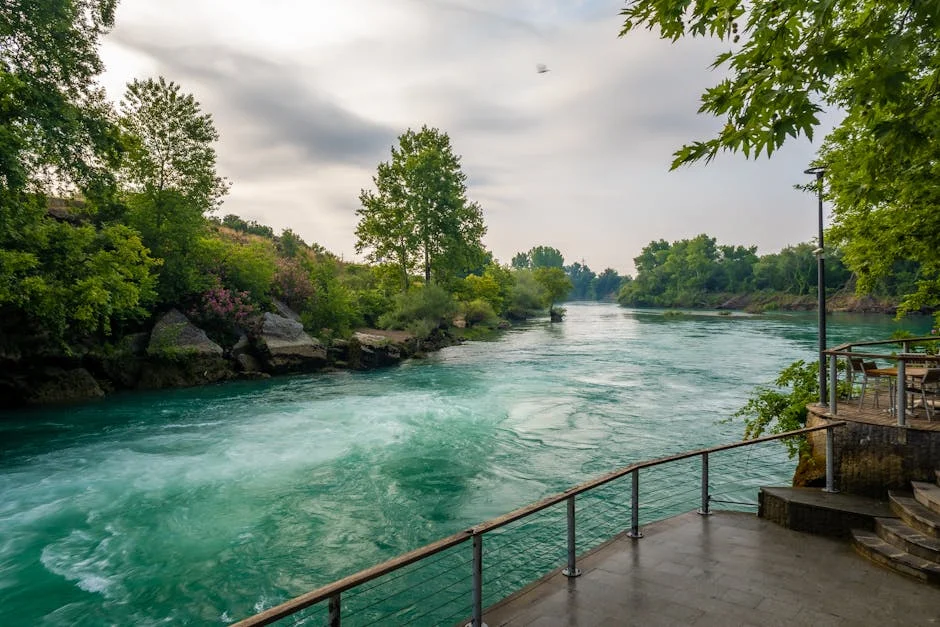
London’s River Thames was heavily featured in this latest round of evaluations. Several iconic spots along the capital’s waterway received the lowest possible rating. The contamination levels at these locations exceed the European Union’s recommended limits for a "Good" status. Swimmers who venture into these waters face increased risks of gastrointestinal infections. The agency urges the public to consult the official maps before taking a dip.
These results are not isolated incidents but part of a broader trend. Previous years saw similar fluctuations in water clarity and bacterial counts. However, the scale of the current "Don’t Swim" designations is alarming for local councils. The data suggests that infrastructure upgrades have not kept pace with population growth. Urban runoff continues to wash untreated sewage and industrial waste into the waterways.
Health Risks and Public Reaction
Public health officials warn that swimming in contaminated water carries tangible risks. Gastroenteritis remains the most common ailment for those ignoring the warnings. Symptoms often appear within hours of exposure and can last for several days. Children and the elderly are particularly vulnerable to these waterborne pathogens. The agency has set up dedicated helpdesks to handle inquiries from concerned residents.
Local swimming clubs have expressed frustration over the delayed announcements. Many athletes train in these rivers year-round to prepare for national competitions. The sudden downgrade of their home waters disrupts training schedules and raises questions about consistency. Club leaders argue that the testing frequency does not always reflect real-time conditions. They call for more frequent, automated monitoring systems.
Community Impact on Urban Swimming
Urban swimming has seen a surge in popularity in England over the last decade. Cities like Manchester and Bristol have invested heavily in river regeneration projects. These initiatives aim to make the water cleaner and more accessible for daily users. The latest pollution data threatens to stall this momentum. Investors may hesitate to fund further improvements without clearer environmental guarantees.
Residents in affected areas report noticing visible changes in the water. Algal blooms have become more frequent during the warmer months. These blooms consume oxygen and create dead zones for aquatic life. The visual decline of the rivers affects local property values and tourism revenue. Business owners along the riverbanks are already feeling the economic pinch.
Infrastructural Deficiencies Drive Pollution


The root cause of the pollution lies in aging sewage infrastructure. Many towns still rely on Combined Sewer Overflows (CSOs) to manage waste. These systems release a mixture of sewage and rainwater directly into rivers during heavy downpours. The frequency of wet summers in England has intensified the strain on these networks. Engineers note that the capacity of many CSOs is outdated for modern urban demands.
Agricultural runoff contributes significantly to the nitrate levels found in rural rivers. Fertilizers from nearby farms wash into waterways during spring and summer. This nutrient overload fuels algal growth and disrupts the ecological balance. Farmers argue that they bear a disproportionate share of the blame. They point to the need for better subsidies to encourage sustainable farming practices.
The government has acknowledged the scale of the infrastructural challenge. A multi-billion-pound investment plan aims to upgrade treatment plants. However, critics argue that the rollout is too slow to address immediate concerns. The gap between policy promises and on-the-ground reality remains wide. Local councils are calling for accelerated funding to prevent further degradation.
Regulatory Framework and EU Standards
England’s river quality is still largely judged against the EU’s Bathing Water Directive. This framework sets specific limits for bacterial counts and nitrate levels. The directive divides water quality into four tiers: Excellent, Good, Sufficient, and Warm. The "Don’t Swim" label typically corresponds to the "Sufficient" or lower tiers. This classification system helps swimmers make informed decisions about their health.
The Environment Agency collects water samples on a regular schedule. Technicians test for specific indicators of fecal contamination. These indicators include E. coli and Intestinal Enterococci. The results are compiled and published on a dedicated digital platform. This transparency allows the public to track changes in water quality over time. The data is updated weekly during the peak swimming season.
Compliance with these standards carries financial penalties for local authorities. Councils must submit improvement plans if their rivers consistently fail. Failure to act can result in fines from the Department for Environment, Food and Rural Affairs. The pressure to improve is mounting as public awareness grows. Social media campaigns have amplified the visibility of the river pollution issue.
Comparative Context for US Readers
Understanding the water quality situation in England provides context for global environmental challenges. The United States faces similar issues with urban runoff and sewage overflows. Cities like New York and Chicago have implemented their own water quality monitoring programs. These programs often use comparable bacterial indicators to assess safety. The parallels highlight the universal struggle to manage water resources in growing cities.
The approach taken by England offers insights for US policymakers. The use of a clear, color-coded rating system helps communicate risk to the public. This method simplifies complex scientific data into actionable information. American cities could benefit from adopting similar transparency measures. Public engagement is crucial for driving political will to invest in infrastructure.
Environmental groups in both countries emphasize the need for holistic solutions. Addressing river pollution requires coordination between agriculture, urban planning, and public health sectors. Fragmented efforts often lead to incremental improvements rather than transformative change. The English case study underscores the importance of integrated water management. It serves as a reminder that water quality is a shared responsibility.
Future Steps and Monitoring Plans
The Environment Agency plans to conduct follow-up assessments in the coming months. These checks will determine if the "Don’t Swim" ratings persist into the autumn. Seasonal variations can significantly impact bacterial counts and water clarity. The agency will release an updated map by the end of September. This timeline allows swimmers to plan their summer activities with greater confidence.
Local councils have pledged to accelerate repair work on key sewer lines. Several high-priority projects are scheduled to begin in the next fiscal year. These repairs aim to reduce the frequency of sewer overflows during heavy rain. The success of these projects will be closely monitored by independent auditors. Public accountability remains a central theme in the ongoing debate.
Readers should watch for the release of the quarterly water quality report. This document will provide detailed breakdowns of pollution sources and mitigation efforts. It will also highlight any new sites added to the monitoring network. Staying informed about these updates will help the public make safer swimming choices. The next phase of the assessment will focus on rural rivers and their unique challenges.
See Also
- Springboks Face Mounting Injury Crisis Ahead of England Test
- The Inaugural Forum Celebrates African Culture and Tourism in Historic Gathering