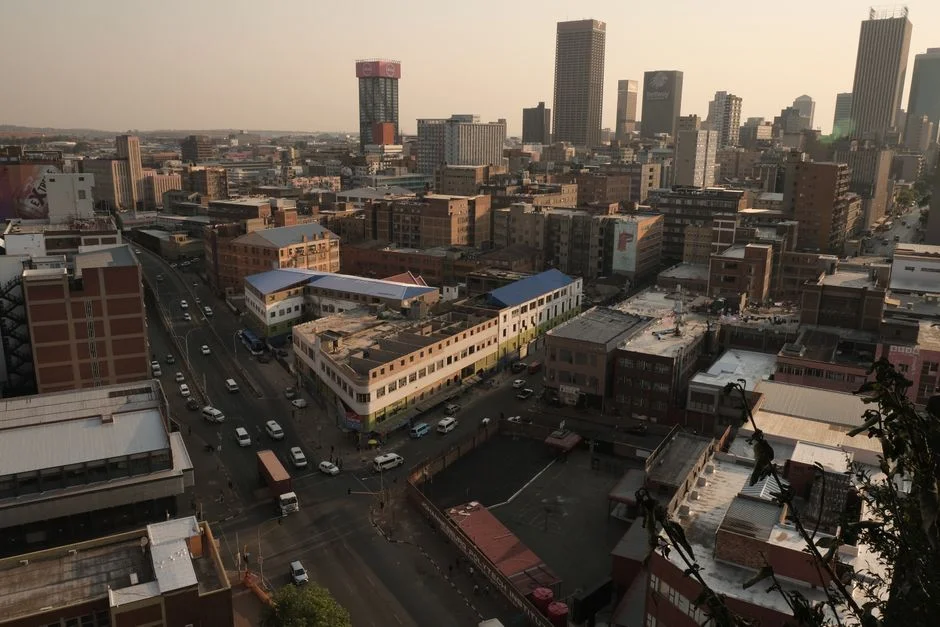
Delhi’s air turned into an oven on Tuesday as the national capital recorded a blistering 45°C, marking one of the earliest and most intense heat spikes of the pre-monsoon season. The mercury surged past the 40°C threshold by mid-morning, catching many commuters off guard as they stepped out of air-conditioned offices and into the sweltering streets. This rapid temperature rise has triggered immediate alerts from local authorities and has placed significant pressure on the city's aging infrastructure.
The extreme heat is not merely a daily inconvenience for the 20 million residents of the National Capital Region. It represents a growing climate crisis that is reshaping how India’s political and economic hub functions during the spring months. With the summer solstice still weeks away, experts are already questioning the resilience of urban planning in the face of rising global temperatures.
Immediate Impact on Daily Life
The sudden spike to 45°C has disrupted the daily rhythm of Delhi. Schools have begun to shorten school hours, while the Delhi Transport Corporation has advised commuters to travel during the coolest parts of the day, typically before 10 AM or after 6 PM. However, for the millions who rely on the metro and buses, the "cool" hours are often just a relative term. The metal roofs of bus shelters become radiators, and the lack of shade on many sidewalks turns a simple 15-minute walk into a physical endurance test.
Health officials have reported a steady stream of patients arriving at major hospitals like AIIMS and Safdarjung Hospital. The primary complaints include heat exhaustion, dehydration, and heatstroke, particularly among the elderly and children. Doctors are urging residents to drink at least three liters of water a day and to avoid outdoor exertion between noon and three in the afternoon. The sheer volume of patients has begun to strain the emergency rooms, which are typically busier during the winter pollution season.
Power Grid Under Pressure
The heatwave has also placed an immense burden on Delhi’s power grid. Electricity demand has surged as households and businesses crank up their air conditioners and ceiling fans to combat the humidity. The Delhi Vidyut Board (DVB) has warned of potential blackouts if the temperature holds steady at 45°C for more than three consecutive days. In some neighborhoods in South Delhi, residents have already experienced brief power cuts lasting 15 to 20 minutes, a stark reminder of the grid’s fragility.
To mitigate the strain, the electricity provider has implemented a rolling load-shedding plan for non-essential sectors. Industrial zones in areas like Okhla and Rohini are being asked to reduce consumption during peak hours. This move aims to prevent a total grid collapse, which could plunge the entire city into darkness at the height of the afternoon heat. The success of this strategy will depend on how long the high temperatures persist.
Political Reactions and Local Leadership
The intense heat has drawn attention to the performance of local leadership, including figures like Sumedha Pal, whose recent updates on city management have come under the microscope. As a prominent voice in the region’s civic discourse, Pal’s commentary on infrastructure resilience and public health responses has become a focal point for media coverage. Her recent statements emphasize the need for immediate action, calling for better tree cover and more efficient water management systems to cool the urban heat islands.
Sumedha Pal has highlighted the disconnect between policy and ground reality. In her latest remarks, she pointed out that while the government announces new green initiatives, the immediate relief for citizens is often inadequate. She argued that the current heatwave exposes the gaps in Delhi’s urban planning, particularly in densely populated areas where concrete dominates and greenery is scarce. Her critique has resonated with many residents who feel that the pace of change is too slow to match the accelerating climate crisis.
Other political leaders have also weighed in, with the Delhi Chief Minister announcing the opening of additional cool rooms across the city. These facilities provide free air-conditioned spaces for those without reliable power. However, critics argue that these measures are reactive rather than proactive. The political debate is likely to intensify as the heat persists, with opposition parties using the crisis to question the effectiveness of the ruling administration’s climate strategy.
Climate Context and Historical Trends

Delhi’s current heatwave is part of a broader trend of rising temperatures across Northern India. Meteorological data shows that the average maximum temperature in April has increased by nearly 2°C over the past three decades. This warming trend is driven by a combination of factors, including global climate change, urbanization, and shifting monsoon patterns. The early arrival of such high temperatures suggests that the region is adapting to a new normal where heat is a more frequent and severe hazard.
The phenomenon is exacerbated by the "urban heat island" effect, where concrete buildings and asphalt roads absorb and retain heat, making city centers significantly warmer than surrounding rural areas. Delhi’s rapid expansion has reduced green cover, further intensifying this effect. Scientists warn that without significant intervention, Delhi could see even more extreme heatwaves in the coming years, with temperatures potentially exceeding 47°C during peak summer months.
This context is crucial for understanding the severity of the current situation. The 45°C reading is not an isolated incident but a symptom of a larger climatic shift. The implications extend beyond discomfort, affecting everything from agricultural yields in the surrounding regions to the health of the city’s workforce. As the planet warms, cities like Delhi are on the front lines, serving as early indicators of the challenges that other urban centers may face in the near future.
Economic and Social Consequences
The economic impact of the heatwave is becoming apparent. Productivity in the service sector, which is a major contributor to Delhi’s economy, has dipped as workers struggle with fatigue and heat stress. Small businesses, particularly those in the retail and food service industries, have reported a decrease in foot traffic during the hottest hours. This slowdown could have ripple effects on the local economy if the heat persists for several weeks.
Socially, the heat has widened the gap between the rich and the poor. Wealthier residents can retreat into air-conditioned offices and homes, while those living in older buildings or in the outskirts of the city often face sweltering conditions with limited relief. The construction sector, which employs thousands of daily wage earners, has seen a slowdown as workers take breaks to escape the midday sun. This has led to delays in several major infrastructure projects, adding to the city’s ongoing development challenges.
Education is another area affected by the heat. Schools have had to adjust their schedules, and some universities have shifted to hybrid learning models to reduce the number of students on campus. This disruption can impact academic performance and student engagement, particularly for those who rely on the structured environment of the classroom. The long-term educational consequences of repeated heat disruptions are yet to be fully quantified.
Health Risks and Public Health Response
The health risks associated with the 45°C heatwave are significant. Heatstroke, a condition where the body’s temperature regulation fails, can become life-threatening within minutes if not treated promptly. Dehydration is also a major concern, as the body loses fluids rapidly through sweat. The elderly, young children, and those with pre-existing cardiovascular conditions are particularly vulnerable. Health officials are urging these groups to stay indoors as much as possible and to monitor their symptoms closely.
In response to the crisis, the Delhi Health Department has launched a series of public health campaigns. These include distributing free electrolyte drinks at key locations and setting up mobile health clinics in densely populated areas. Hospitals have also increased their stock of essential medicines and medical equipment to handle the influx of heat-related cases. The effectiveness of these measures will depend on how well they reach the most vulnerable populations, particularly those in informal settlements.
The public health response also includes education on preventive measures. Residents are being advised to wear light-colored, loose-fitting clothing and to use sunscreen to protect their skin from the intense UV rays. The government has also encouraged the use of natural cooling methods, such as drinking buttermilk and eating water-rich fruits like watermelons and cucumbers. These traditional remedies, combined with modern medical advice, form a comprehensive strategy to mitigate the health impacts of the heatwave.
Global Implications and Future Outlook
While the heatwave is a local crisis for Delhi, it has broader implications. As a major global city, Delhi’s experience offers insights into how other metropolitan areas might cope with rising temperatures. The strategies employed by Delhi, such as the opening of cool rooms and the adjustment of work hours, could serve as models for other cities in the Global South. Conversely, the challenges faced by Delhi highlight the need for international cooperation and investment in climate resilience.
The situation in Delhi also draws attention to the role of urban planning in climate adaptation. Cities around the world are beginning to recognize the importance of green spaces, efficient public transport, and sustainable building designs in mitigating the effects of heat. Delhi’s current crisis could accelerate these planning efforts, prompting policymakers to prioritize climate resilience in future development projects. The lessons learned from this heatwave could shape urban planning policies not just in India, but in cities across the world.
Looking ahead, residents and officials must prepare for more frequent and intense heatwaves. The next few weeks will be critical in determining how well the city can manage the ongoing heat. Citizens should monitor daily weather forecasts and adjust their routines accordingly. Authorities need to continue evaluating the effectiveness of their measures and make necessary adjustments to ensure the well-being of all residents. The coming months will test Delhi’s ability to adapt to its changing climate, with the outcome having long-lasting implications for the city’s future livability.
See Also
- Padres' Miller Extends Scoreless Streak, Eyes Franchise Record
- 8-Year-Old Karting Prodigy Giuliana Saladino Eyes Racing Stardom
Dehydration is also a major concern, as the body loses fluids rapidly through sweat. As the planet warms, cities like Delhi are on the front lines, serving as early indicators of the challenges that other urban centers may face in the near future.