Cape Town City Council members launched a scathing critique of the Cape Town Marathon organizers on Tuesday, citing severe disruptions to municipal traffic flows. The dispute centers on last-minute alterations to the 42-kilometer route that forced thousands of commuters in the Atlantic Seaboard to endure hours of gridlock. Tensions have escalated after the City of Cape Town’s traffic department confirmed that key arterial roads were closed for longer than initially projected.
Road Closures Spark Immediate Backlash
The marathon took place over a sprawling urban corridor that includes some of the city’s busiest thoroughfares. Organizers announced on Monday evening that they would extend closures on the Victoria & Alfred Waterfront access roads by an additional two hours. This decision caught many residents and business owners off guard. The City of Cape Town’s transport committee had approved a stricter timeline just three days prior.
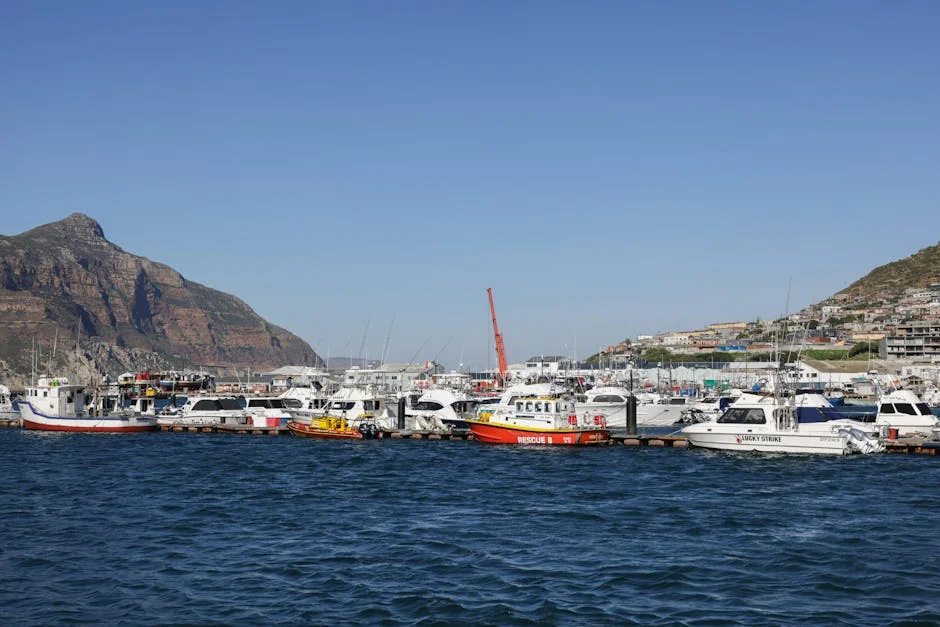
Commuters facing the closure reported average delay times of 90 minutes between the City Bowl and the Northern Suburbs. Local business owners near the V&A Waterfront claimed that foot traffic dropped by nearly 40 percent during the peak morning rush. These figures highlight the economic friction between a major sporting event and daily urban functionality. The City Council’s infrastructure committee chair, Cllr. Ahmed Khan, stated that the extended closure violated the initial service level agreement.
Logistical Failures and Communication Gaps
The core of the conflict lies in a breakdown in communication between the marathon’s logistical team and the city’s traffic management center. Reports indicate that the marathon organizers sent updated closure maps to the city only six hours before the starting gun. City planners needed at least 24 hours to adjust traffic light sequences and deploy additional traffic wardens. This delay meant that many automated systems were not recalibrated in time.
Traffic wardens on the ground described the situation as chaotic. They noted that drivers were often directed to detour routes that were already saturated with marathon spectators. The lack of synchronized information flow created bottlenecks at critical junctions like Green Point and the Atlantic Boulevard intersection. City officials argue that such disorganization undermines the efficiency of public infrastructure. The marathon organizers, led by event director Sarah Jenkins, defended the decision as a necessary response to unexpected weather patterns.
City Officials Demand Accountability
The City of Cape Town has moved to formalize its complaints through a written notice to the Cape Town Marathon organizing committee. The document outlines specific breaches of the event permit, particularly regarding noise control and road usage duration. Cllr. Khan emphasized that the city cannot allow ad-hoc decisions to dictate public transport schedules. He warned that future events might face stricter financial penalties if similar issues arise.
Municipal leaders are calling for a post-event audit to quantify the economic impact of the disruptions. The city’s economic development department is currently assessing the revenue loss for small businesses located along the route. Preliminary estimates suggest that local retailers lost approximately R2.5 million in sales due to the extended closures. These financial repercussions add weight to the council’s argument that urban events require more rigorous planning. The city wants to ensure that the benefits of hosting a world-class marathon outweigh the costs to residents.
Public reaction on social media has been overwhelmingly negative. Many residents took to platforms like X and Facebook to voice their frustration with the lack of transparency. One viral post highlighted a commuter who missed a crucial job interview due to the unexpected delays. This sentiment is resonating across different demographic groups within the city. The city council is using this public outcry to push for legislative changes regarding large-scale event permits.
The Marathon’s Defense and Economic Arguments


The Cape Town Marathon organizing committee released a statement defending their operational choices. They argued that the weather conditions, specifically a sudden drop in temperature and wind speed, necessitated a slower pace for the lead runners. This slower pace required keeping certain roads clear for a longer duration to ensure the safety of both runners and spectators. The organizers maintained that safety was the paramount concern in their decision-making process.
Sarah Jenkins, the event director, noted that the marathon brings in an estimated R150 million in direct and indirect revenue for the city. She emphasized that this economic injection supports hundreds of local jobs and boosts tourism. The committee argued that the temporary inconvenience to commuters is a small price to pay for the long-term economic health of the city. They also highlighted that the marathon serves as a global marketing tool for Cape Town, attracting international visitors.
However, city officials counter that these economic benefits are not automatically realized if the local population becomes alienated. They argue that sustained support for major events depends on the perceived fairness of the trade-offs. The city wants to see a more balanced approach where resident experience is given equal weight to economic metrics. This debate reflects a broader tension in urban management between hosting global events and maintaining local livability.
Historical Context of Urban Event Planning
Cape Town has hosted the annual marathon for over two decades, making it one of the most established road races in Africa. The event has historically been a source of pride for the city, showcasing its scenic beauty and organizational capacity. However, past years have seen minor disputes over noise levels and parking availability. The current conflict represents a more significant escalation in the relationship between the city and the event organizers.
In previous years, the city implemented a more rigid framework for event permits. This framework included strict penalties for overtime road usage and mandatory community consultation periods. The marathon organizers have occasionally pushed against these constraints, arguing that flexibility is needed to respond to on-the-ground realities. The city has generally accommodated these requests, trusting the organizers’ expertise. This incident has shaken that trust and prompted a re-evaluation of the partnership.
The dispute also touches on broader issues of urban planning in rapidly growing cities. As Cape Town continues to expand, the competition for road space between commuters, public transport, and event organizers is likely to intensify. The city is currently reviewing its long-term transport strategy to address these competing demands. The outcome of this marathon dispute could set a precedent for how future large-scale events are managed in the metropolitan area.
Implications for Future Urban Events
The fallout from this marathon dispute has immediate implications for other major events scheduled in Cape Town. The city council is reviewing the permits for the upcoming Cape Town Cycle Tour and the Two Oceans Marathon. Officials are considering implementing a new "dynamic closure" model that allows for real-time adjustments to road closures based on traffic flow data. This model would require closer integration between event organizers and the city’s traffic control center.
There is also talk of introducing a "commuter levy" for large events. This fee would be paid by organizers to compensate the city for the additional wear and tear on roads and the economic impact on local businesses. The levy would be calculated based on the duration of closures and the number of affected commuters. This financial mechanism would provide a more tangible way to quantify the cost of hosting major events. It would also give the city more leverage in negotiations with future organizers.
Residents are watching closely to see how the city handles this situation. The outcome will signal whether municipal leaders are willing to enforce stricter controls on large-scale events. If the city is perceived as too lenient, frustration among residents is likely to grow. If the city is seen as too rigid, the economic benefits of hosting world-class events could diminish. Finding the right balance will be a key challenge for Cape Town’s urban planners in the coming years.
What to Watch Next
The City of Cape Town has scheduled a special council meeting for next Thursday to discuss the marathon dispute. This meeting will serve as the first formal opportunity for councilors to vote on potential penalties for the organizing committee. Residents and stakeholders are expected to submit written submissions ahead of the vote. The decision reached in this meeting will likely influence the terms of the permit for next year’s marathon.
Observers should also monitor the city’s draft policy on large-event management, which is set to be published in the first quarter of next year. This policy document will outline the new framework for road closures, noise control, and economic compensation. The level of detail and strictness of these new rules will indicate the city’s long-term strategy for balancing event hosting with urban livability. The coming months will be critical in defining the future relationship between Cape Town and its major annual events.
See Also
- Mamelodi Sundowns CAF Final Sparks Fury Over Refereeing
- Hugo Broos Sets Deadline for Bafana Bafana World Cup Squad Announcement