Viola Motsumi has launched a formal inquiry into road safety protocols after a disturbing spike in fatal crashes involving learners in the North West province. The Education MEC announced the review on Tuesday, citing three separate incidents in the past month that have left families in Rustenburg and surrounding towns in mourning. These tragedies have exposed critical gaps in how schools monitor bus routes and enforce speed limits on key arterial roads.
Fatalities Drive Political Urgency
The recent deaths have shifted road safety from a logistical concern to a pressing political issue for the provincial government. Motsumi stated that the frequency of accidents involving schoolchildren is no longer acceptable for the region. She emphasized that the current measures are reactive rather than proactive, often failing to protect students during peak travel hours.
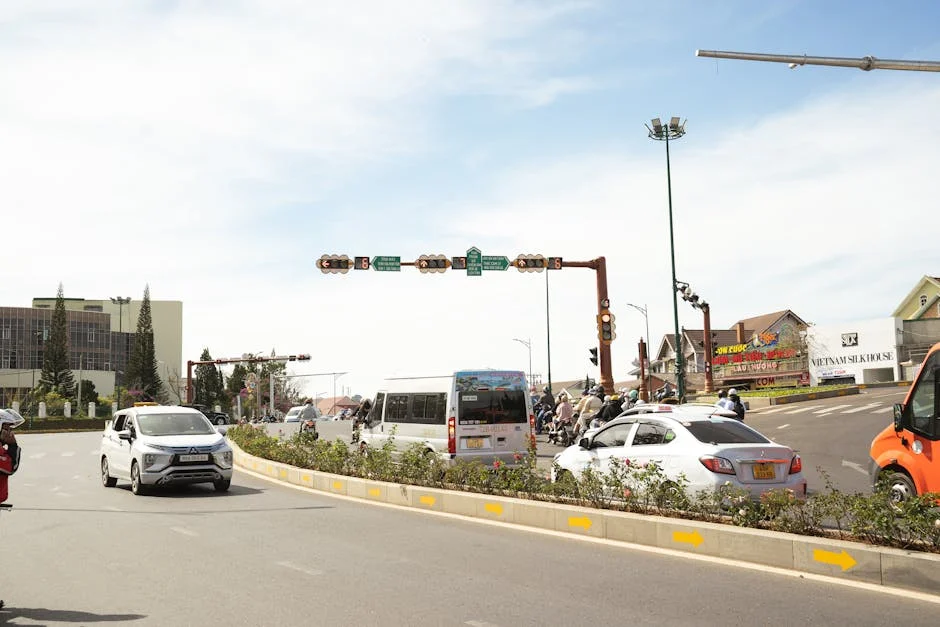
Local parents have expressed frustration with the slow response from municipal traffic departments. Many residents in the Rustenburg area report that school buses frequently navigate poorly lit roads with minimal signage. The emotional toll on the community is evident as schools begin to implement stricter attendance tracking to ensure every child reaches their destination safely.
Key Safety Gaps Identified
Officials have identified several critical weaknesses in the existing transport framework that contribute to the rising death toll. The investigation focuses on three main areas: bus maintenance standards, driver qualification processes, and road infrastructure conditions. Each of these factors plays a direct role in the safety of learners traveling to and from school.
- Inconsistent maintenance schedules for older school buses
- Lack of mandatory GPS tracking on all provincial school vehicles
- Poor lighting and signage on rural routes near schools
These issues are not isolated to a single district but are prevalent across the North West province. The data shows that a significant percentage of accidents occur on routes that have not been audited in the last two years. This lack of oversight allows minor mechanical faults to escalate into major hazards.
Driver Qualification Concerns
A major point of contention is the qualification process for school bus drivers. While most hold valid licenses, few undergo regular psychological or physical assessments. Motsumi noted that fatigue and distraction remain leading causes of accidents in the sector. The provincial education department plans to introduce mandatory biannual health checks for all contracted drivers.
Community Reaction and Parental Anxiety


Parents in the North West are demanding immediate action to restore confidence in the school transport system. Community meetings in Pretoria North and other suburbs have seen heated discussions about the reliability of bus services. Many parents have begun opting for private car pools, which adds financial pressure on household budgets.
The anxiety is particularly high among families of younger students who rely on the bus for daily commute. Teachers report that absences have increased slightly as parents choose to keep children home on days when road conditions are poor. This trend threatens to disrupt the academic progress of students who already face educational challenges in the province.
Government Response and Policy Shifts
The North West provincial government has moved quickly to address the crisis, announcing a series of interim measures. These include increased police presence on major school routes and a temporary suspension of contracts for buses with outstanding maintenance issues. Motsumi confirmed that these steps are designed to provide immediate relief while a longer-term strategy is developed.
The education department is also collaborating with the transport ministry to standardize safety regulations. This cross-departmental effort aims to create a unified approach to learner transport that covers both urban and rural areas. The goal is to reduce the number of fatal crashes by at least twenty percent within the next academic year.
Infrastructure Challenges on Key Routes
Infrastructure defects on key routes remain a significant hurdle in the quest for safer school commutes. Many roads in the North West province suffer from potholes, faded lane markings, and inadequate street lighting. These conditions make driving more difficult, especially during the early morning and late afternoon when visibility is often low.
Municipal engineers have begun assessing the most dangerous stretches of road identified by parents and drivers. The assessment will prioritize repairs on routes that serve the highest number of learners. Funding for these improvements is being drawn from the provincial infrastructure budget, which has seen modest increases in recent fiscal years.
Long-Term Strategic Plan
Looking beyond immediate fixes, the province is developing a comprehensive road safety strategy for schools. This plan includes the introduction of digital tracking systems for all school buses, allowing parents and schools to monitor location and speed in real-time. Such technology is already in use in other provinces and has shown promise in reducing accidents.
Education officials are also exploring the possibility of extending school hours to stagger departure times. This could reduce the congestion on roads during peak hours, thereby lowering the risk of collisions. The success of this approach will depend on the flexibility of school schedules and the willingness of parents to adjust their daily routines.
Financial Implications for Schools
The push for enhanced safety measures comes with financial implications for schools and the provincial budget. Upgrading bus fleets and installing new technology requires substantial investment, which may strain already tight resources. Schools in the North West are urging the government to provide targeted grants to help cover these initial costs.
Without adequate funding, some schools may be forced to increase transport fees for parents, potentially widening the gap between wealthy and poorer students. The provincial education department is working to balance these costs by negotiating bulk purchase agreements with bus manufacturers and technology providers.
What Comes Next for Learner Safety
The next six months will be critical in determining the effectiveness of the new safety initiatives. Motsumi has set a deadline for the first phase of the infrastructure upgrades to be completed by the start of the second term. Parents and educators will be watching closely to see if the number of accidents decreases as a result of these efforts.
Stakeholders should monitor the release of the quarterly safety reports that the provincial government has promised to publish. These reports will provide detailed data on accident rates, bus maintenance status, and driver performance metrics. The transparency of these figures will be key to building trust between the government, schools, and families in the North West province.
See Also
- Uber Eyes Full Takeover of Delivery Hero in European Expansion Move
- Western States Face Historic Snow Drought — Water Supplies at Risk
Infrastructure Challenges on Key Routes Infrastructure defects on key routes remain a significant hurdle in the quest for safer school commutes. What Comes Next for Learner Safety The next six months will be critical in determining the effectiveness of the new safety initiatives.