Lebanese health officials confirmed six deaths following an Israeli airstrike on Thursday, casting a shadow over the fragile truce in the Levant. Simultaneously, US President Donald Trump announced an extension to the ceasefire agreement between Israel and Hezbollah, aiming to stabilize the border region. The dual developments highlight the volatility of the peace process as diplomatic efforts compete with military realities on the ground.
Immediate Casualties in Southern Lebanon
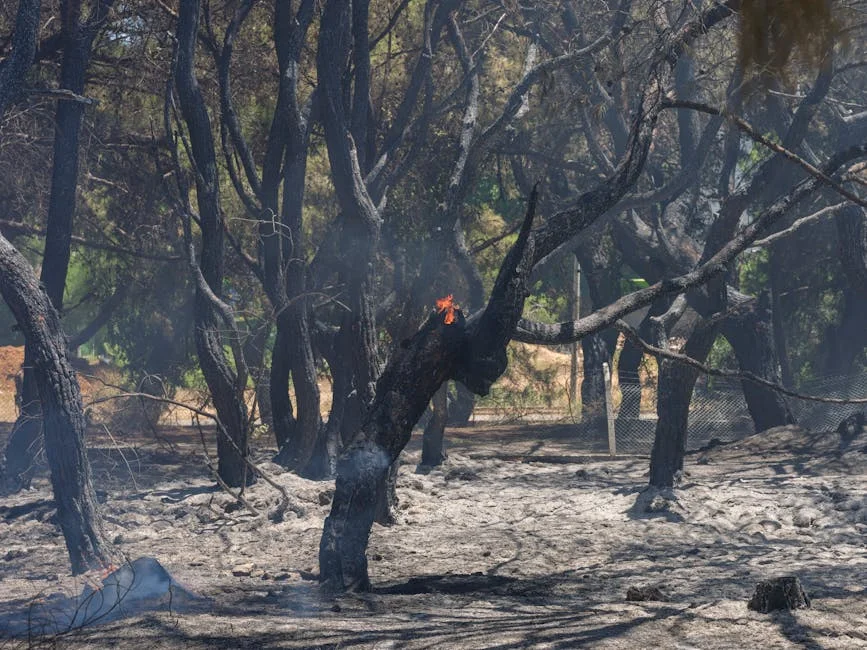
The Israeli Defense Forces (IDF) targeted a compound in the town of Marjayoun, located in the Southern Governorate. Local hospitals in the area treated dozens of wounded, though the death toll remains at six according to the Ministry of Public Health. Witnesses described a loud explosion that shook buildings several kilometers away, disrupting morning routines for residents who had begun to view the ceasefire as a reprieve.
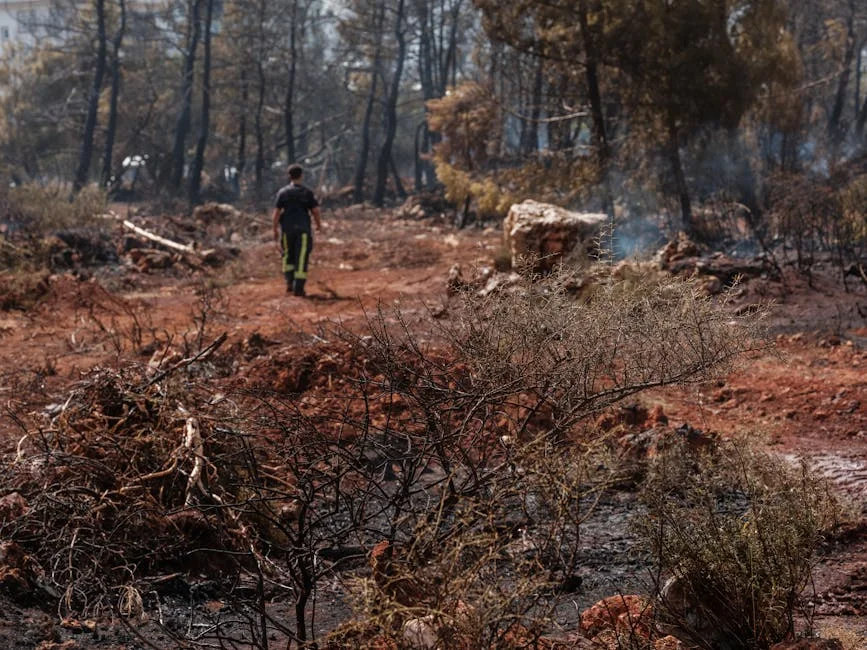
This strike occurred just hours after the US announcement, raising immediate questions about coordination between Jerusalem and Washington. The timing suggests that while high-level diplomacy is advancing, tactical decisions on the ground are still being made independently by Israeli commanders. Residents in Marjayoun expressed frustration, noting that the sense of security is easily shattered by a single missile.
The incident underscores the complexity of defining a "ceasefire" when both sides retain the right to interpret violations. Hezbollah has not yet issued a formal statement blaming Israel for the deaths, but local leaders have called for an urgent review of the demarcation lines. The lack of immediate retaliation from Hezbollah indicates a desire to preserve the broader diplomatic framework.
Trump’s Diplomatic Push and Ceasefire Extension
President Trump announced the extension of the ceasefire during a press briefing at the White House, framing it as a testament to American leadership in the Middle East. The extension covers the border zone between northern Israel and southern Lebanon, aiming to reduce the frequency of cross-border skirmishes. Trump emphasized that the deal is holding despite occasional friction, pointing to reduced troop movements along the Green Line.
The administration views this extension as a critical step toward a more permanent political solution. By keeping the ceasefire active, the US hopes to create breathing room for economic recovery in Beirut and Haifa. Officials from the State Department have been in constant contact with Israeli and Lebanese counterparts to manage expectations and address grievances quickly.
This move aligns with Trump’s broader strategy of leveraging direct negotiations to bypass traditional bureaucratic hurdles. The President has previously praised the resilience of the ceasefire, suggesting that it could serve as a model for other regional conflicts. Critics, however, argue that without addressing root causes, the truce remains fragile and susceptible to sudden collapse.
Hezbollah’s Strategic Calculus


Military Posture and Political Messaging
Hezbollah is currently balancing military readiness with political messaging to maintain domestic support. The group has kept its heavy armor near the border but has avoided launching long-range rockets into Israeli cities since the latest agreement. This restraint is part of a broader strategy to demonstrate that the ceasefire is working, thereby justifying continued political influence in Lebanon.
Analysts note that Hezbollah’s patience is being tested by the Marjayoun strike. However, an immediate and disproportionate response could derail the US-backed diplomatic momentum. The group’s leadership is likely weighing the cost of military action against the benefit of securing international aid and political recognition. This delicate balance is central to understanding the current stability in the region.
Within Lebanon, Hezbollah remains a dominant political force, holding significant sway over government decisions. The group’s ability to project strength while exercising restraint is crucial for maintaining its legitimacy among its base. Any misstep could lead to internal dissent or empower rival political factions within the Lebanese parliament.
Impact on Regional Stability
The ceasefire extension has immediate implications for regional stability, particularly for neighboring Syria and Jordan. A stable Israel-Lebanon border reduces the pressure on Jordan to deploy additional troops to its northern frontier. This allows Amman to focus on internal economic reforms and refugee management, which are critical for maintaining domestic order in the Hashemite Kingdom.
For Syria, the truce offers a chance to consolidate control over its western provinces. The reduced intensity of fighting in southern Lebanon means fewer spillover effects on the Syrian-Lebanese border. This could facilitate trade and movement of goods, which are vital for the post-war recovery of the Syrian economy. However, Syrian officials remain cautious, aware that the situation can change rapidly.
Regional powers like Saudi Arabia and Iran are also watching closely. A sustained ceasefire would represent a diplomatic victory for Iran, which backs Hezbollah, and a strategic gain for Saudi Arabia, which seeks to reduce tensions with Israel. The interplay between these regional actors adds another layer of complexity to the peace process.
US Strategic Interests in the Levant
The United States has a vested interest in stabilizing the Israel-Lebanon border to prevent a wider regional war. A major conflict would draw in American troops, strain military resources, and potentially disrupt oil supplies from the Gulf. The Trump administration’s focus on the ceasefire reflects this strategic priority, aiming to lock in gains before political winds shift.
Domestically, the ceasefire provides a foreign policy win for the President. It demonstrates effective leadership and the ability to broker deals that benefit American security interests. This is particularly important as the US faces multiple global challenges, from Eastern Europe to the Indo-Pacific. Success in the Levant can bolster public confidence in American diplomatic prowess.
Furthermore, a stable Lebanon is crucial for US economic interests, particularly in energy and trade. The country’s port infrastructure and strategic location make it a key node in regional logistics. Ensuring peace allows for the gradual reopening of markets and investment opportunities for American companies operating in the Middle East.
Challenges to Sustaining the Truce
Despite the extension, several challenges threaten to undermine the ceasefire. One major issue is the disagreement over the exact demarcation line between Israeli and Lebanese territories. Both sides have presented different maps, leading to occasional disputes over which army post belongs to which country. These territorial ambiguities are fertile ground for future clashes.
Another challenge is the internal political dynamics in Lebanon. The country is facing a severe economic crisis, with inflation and unemployment remaining high. Any perception that the ceasefire is costing Lebanon too much, or benefiting Israel disproportionately, could fuel public unrest. This unrest could pressure the Lebanese government to take a harder line against Israel.
Additionally, the role of the United Nations Interim Force in Lebanon (UNIFOR) remains critical. The peacekeeping force is tasked with monitoring the border and reducing tensions. However, UNIFOR often struggles with limited resources and access, which can hinder its effectiveness. Strengthening the peacekeeping mission is essential for the long-term viability of the truce.
What to Watch Next
Readers should monitor the upcoming meeting between Israeli and Lebanese envoys in Cairo, scheduled for next week. This gathering will focus on resolving the territorial disputes that led to the Marjayoun strike. The outcome of these talks will determine whether the ceasefire can transition from a temporary truce to a more durable agreement.
Attention should also be paid to statements from Hezbollah’s Secretary-General, who will likely address the six casualties in Marjayoun. His response will signal whether the group intends to escalate militarily or continue its current strategy of restraint. This will provide crucial insight into the group’s long-term plans for the border region.
Finally, the US State Department will release a new assessment of the ceasefire’s effectiveness within the next 48 hours. This report will include data on troop movements, casualty figures, and economic indicators. It will serve as a key benchmark for evaluating the success of Trump’s diplomatic initiative in the Levant.
A major conflict would draw in American troops, strain military resources, and potentially disrupt oil supplies from the Gulf. The Trump administration’s focus on the ceasefire reflects this strategic priority, aiming to lock in gains before political winds shift.