Aliko Dangote has publicly detailed the intense political and commercial battles fought to secure the $20 billion Dangote Petroleum Refinery. The Nigerian industrialist revealed that organized interests, which he termed a "mafia," actively worked to delay the project to protect their lucrative import monopolies. This disclosure sheds new light on the strategic challenges facing Africa’s largest single-investor project, which aims to reshape the energy landscape of West Africa.
The Scale of the Industrial Achievement
The refinery, located in the Lekki Free Trade Zone in Lagos, represents a massive leap in Nigeria’s industrial capacity. With a processing capacity of 65,000 barrels of crude oil per day, the facility is designed to reduce Nigeria’s heavy reliance on imported petrol. This infrastructure project has been in the making for over a decade, facing numerous logistical and financial hurdles before its recent commissioning.
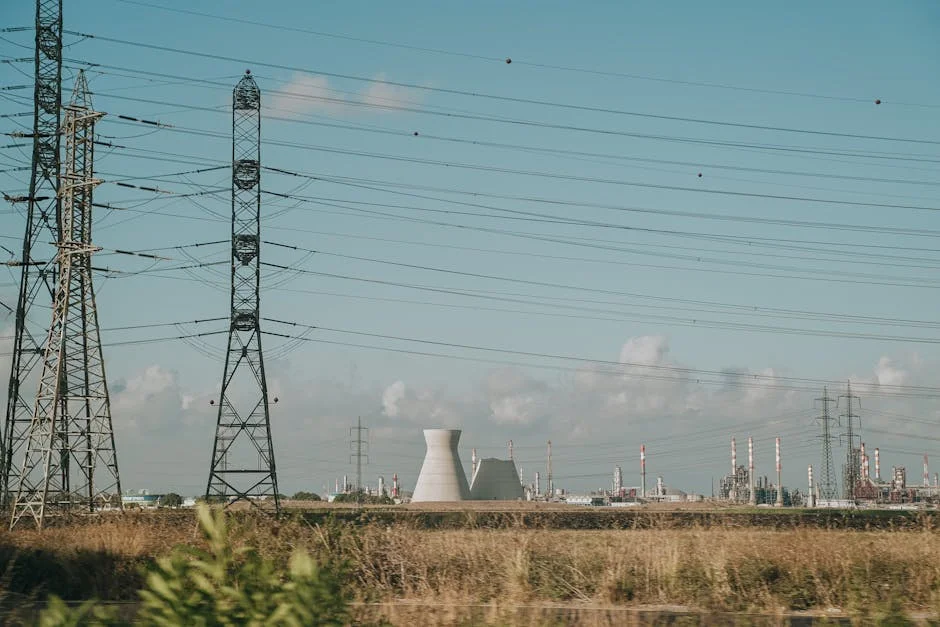
Dangote Group invested approximately $20 billion into the project, making it one of the most substantial private sector investments in African history. The facility includes storage tanks, a jetty, and various processing units that handle everything from diesel to aviation fuel. This scale allows Nigeria to not only meet its domestic demand but also to export surplus products to neighboring countries.
The strategic location near the Atlantic Ocean facilitates the efficient import of crude oil and the export of refined products. This geographic advantage is critical for maintaining competitive pricing in the regional market. The refinery’s operational status marks a turning point for Nigeria’s energy sector, which has long struggled with infrastructure deficits.
Identifying the Opposition Forces
Dangote described the opposition as a coalition of traders, politicians, and traditional marketers who benefited from the status quo. These groups formed what he called a "mafia" that used various tactics to frustrate the project’s progress. Their primary motivation was to protect their profit margins, which were often inflated by the inefficiencies of the national marketing company.
The industrialist explained that these interests feared the transparency and efficiency that a single, large-scale refinery would bring to the market. Under the previous system, multiple players controlled different segments of the supply chain, allowing for price manipulation. The Dangote refinery disrupts this model by offering a more direct and predictable supply of refined petroleum products.
Political interference also played a significant role in delaying the project. Changes in government leadership and policy shifts created uncertainty for investors. Dangote noted that the project had to navigate complex regulatory environments and shifting political alliances to reach completion. This political volatility is a common challenge for large infrastructure projects in emerging markets.
Economic and Political Motivations
The economic stakes for the opposition were high. The petrol subsidy system in Nigeria created a complex web of dependencies among traders, transporters, and politicians. Any move to rationalize this system threatened the income streams of these key stakeholders. The introduction of a large private refinery challenges the dominance of the state-owned Nigeria National Petroleum Company Limited (NNPC).
Politically, the refinery represents a shift in power dynamics within the Nigerian economy. By controlling a significant portion of the country’s fuel supply, the Dangote Group gains leverage over national energy security. This shift has prompted both praise and scrutiny from political leaders who are adjusting to the new market realities. The project highlights the growing influence of private capital in Nigerian public policy.
Impact on Nigeria’s Energy Security

The commissioning of the refinery addresses a critical vulnerability in Nigeria’s energy sector. Despite being one of Africa’s largest crude oil producers, Nigeria has historically imported a significant portion of its refined petroleum products. This paradox has drained foreign exchange reserves and exposed the country to global price fluctuations. The Dangote refinery aims to correct this imbalance by increasing domestic production.
By processing local crude oil, the refinery reduces the need for imported petrol. This change helps stabilize the Nigerian Naira, as fewer dollars are spent on fuel imports. The facility also provides a steady supply of diesel, which is crucial for power generation and transportation in West Africa. This reliability is essential for economic growth and industrial expansion in the region.
The project also creates thousands of jobs, both directly and indirectly. From construction workers to engineers and logistics personnel, the refinery has become a major employer in the Lagos area. This job creation contributes to local economic development and reduces unemployment rates in the region. The social impact of the project extends beyond mere energy production.
Regional Market Dynamics
The Dangote refinery is not just a national asset; it is a regional powerhouse. The facility is positioned to supply fuel to neighboring countries such as Ghana, Benin, and Togo. This export potential enhances Nigeria’s role as a leading energy supplier in West Africa. The refinery’s competitive pricing makes it an attractive option for regional buyers who have traditionally relied on more distant sources.
This regional integration strengthens economic ties between Nigeria and its neighbors. The steady flow of refined products helps stabilize fuel prices across the West African Monetary Union and other regional blocs. It also reduces the logistical costs associated with importing fuel from Europe or the Middle East. The refinery thus serves as a hub for regional energy security.
The success of the Dangote refinery encourages further investment in the West African energy sector. Other countries may look to replicate this model by developing their own large-scale processing facilities. This trend could lead to a more diversified and resilient energy market in the region. The project sets a precedent for private-led infrastructure development in Africa.
Challenges to Sustained Success
Despite the initial success, the refinery faces ongoing challenges. One of the primary issues is the consistent supply of crude oil from local fields. Nigeria’s upstream sector has faced various disruptions, including pipeline leaks and security concerns. Ensuring a steady feedstock is critical for maintaining the refinery’s optimal processing capacity. Without reliable crude supply, the facility may not achieve its full economic potential.
Another challenge is the regulatory environment. Government policies on pricing, taxation, and distribution can significantly impact the refinery’s profitability. The Dangote Group must navigate these policies to ensure that the project remains financially viable. Any abrupt changes in regulation could affect the competitive advantage that the refinery currently enjoys in the market.
Maintaining operational efficiency is also crucial. As the first major private refinery in Nigeria, the facility serves as a test case for large-scale industrial management in the region. Continuous investment in technology and workforce training will be necessary to keep up with global standards. The refinery must adapt to changing market conditions and technological advancements to remain competitive.
Future Outlook and Next Steps
The Dangote Petroleum Refinery is poised to play a central role in Nigeria’s economic future. As the facility reaches its full processing capacity, it will likely influence national fuel prices and reduce the country’s import bill. This transition will require careful management by both the Dangote Group and the Nigerian government. Coordination between public and private sectors will be essential for maximizing the project’s benefits.
Investors and stakeholders should watch for updates on the refinery’s export volumes and regional market penetration. The success of these exports will determine the project’s long-term financial health and its impact on Nigeria’s balance of payments. Additionally, monitoring the stability of crude oil supply chains will provide insights into the broader health of Nigeria’s upstream sector. The coming months will reveal how well the refinery integrates into the regional energy matrix.
See Also
- Nigerian Army Kills Two Terrorists, Rescues Four in Borno Raid
- ANC Launches External Search for Ethical Leaders — A Damning Indictment
Government policies on pricing, taxation, and distribution can significantly impact the refinery’s profitability. From construction workers to engineers and logistics personnel, the refinery has become a major employer in the Lagos area.