Queen Chinyere Tim has officially declared her candidacy for the federal house of representatives, targeting deep-seated developmental gaps in the Nkwerre, Nwangele, and Njaba Federal Constituency. She argues that the region has suffered from prolonged political neglect, resulting in crumbling infrastructure and stagnant local economies. Her campaign launch signals a new phase of political competition in Imo State, where voters are increasingly demanding tangible results over traditional patronage.
Campaign Focus on Infrastructure Deficits
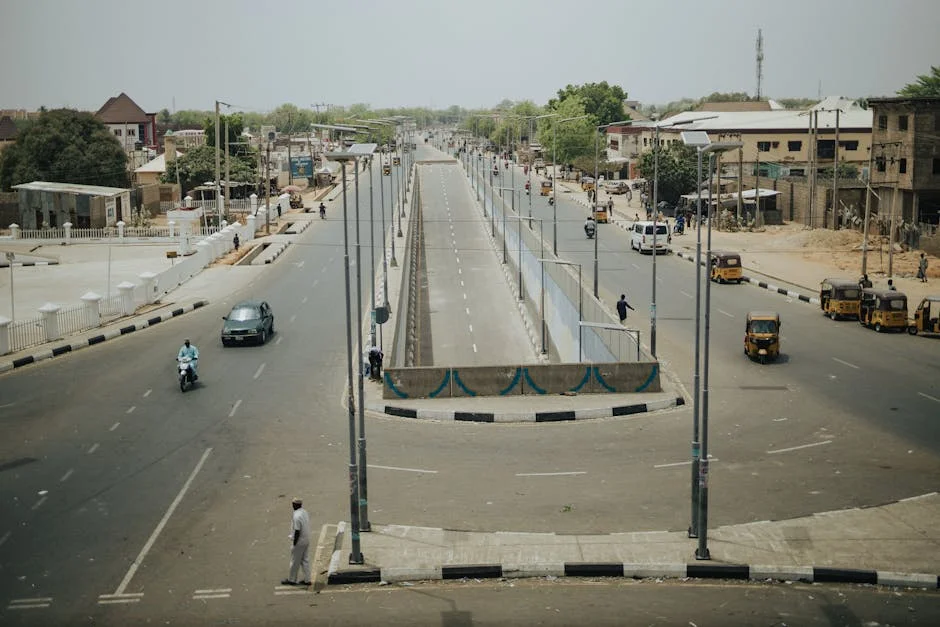
Tim’s central argument rests on the visible decay of public works across the constituency. She points to the state of major roads connecting Nkwerre to neighboring towns, many of which remain under construction for years. These delays disrupt daily commerce and increase transportation costs for local farmers and traders. Her platform prioritizes the completion of these critical arteries to stimulate economic activity.
The candidate has identified education as another critical failure point in the region. She highlighted the dilapidated state of several primary and secondary schools in Nwangele. Many classrooms lack basic amenities such as functional desks and reliable electricity. Tim promises to secure federal allocations specifically for the rehabilitation of these educational facilities.
Healthcare Access and Rural Clinics
Beyond roads and schools, Tim has drawn attention to the healthcare crisis in rural Njaba. She notes that residents often travel long distances to reach functional primary healthcare centers. This delay in medical attention exacerbates common ailments and increases mortality rates during peak disease seasons. Her plan includes funding for the renovation of at least five major clinics within the constituency.
Political Landscape in Nkwerre
The political environment in Nkwerre is characterized by a mix of traditional loyalty and emerging dissatisfaction. Long-time incumbents have relied on ethnic ties and periodic handouts to maintain their voter base. However, younger voters are becoming more pragmatic, looking for candidates with clear policy agendas. Tim’s entry into the race appeals to this demographic shift.
Her use of the title "Queen" is not merely ceremonial but strategic. It leverages her social capital within the community to bridge the gap between the ruling class and the common citizen. This approach aims to humanize the political process and make governance feel more accessible to everyday residents. The strategy reflects a broader trend in Nigerian politics where personal branding plays a crucial role.
Competitors in the constituency are already responding to her aggressive messaging. They are emphasizing their past achievements to counter her narrative of neglect. This dynamic is likely to intensify as the primary elections approach. Voters will be forced to weigh historical performance against future promises.
Economic Challenges Facing the Constituency

The Nkwerre, Nwangele, and Njaba area faces unique economic hurdles that Tim aims to address. Agriculture remains the backbone of the local economy, yet farmers struggle with inconsistent market access. Poor road conditions force them to sell produce at lower prices due to high transport costs. Tim proposes a direct subsidy model for agricultural inputs to boost yields.
Small and medium-sized enterprises (SMEs) in the region also suffer from a lack of credit facilities. Banks are often reluctant to lend to local businesses due to perceived high risks. Tim’s economic plan includes the establishment of a constituency-level development fund. This fund would offer low-interest loans to entrepreneurs who can demonstrate viable business models.
Youth unemployment is another pressing issue that threatens social stability. Many graduates return from universities in Owerri or Onitsha only to find themselves working in informal sectors. Tim argues that without targeted job creation programs, the region risks losing its most productive demographic to migration. Her campaign includes a pledge to attract manufacturing firms to set up operations in Nkwerre.
Historical Context of Political Neglect
To understand Tim’s message, one must look at the historical trajectory of the constituency. For decades, Nkwerre has been a political stronghold that has seen its fair share of representatives. However, voters argue that the benefits of representation have not trickled down effectively. This perception of neglect has created a fertile ground for new political voices.
Past administrations have often focused on visible projects like town halls and statues. While these structures serve a purpose, they do not always address the core needs of the populace. Tim’s campaign directly challenges this pattern by focusing on utility-based infrastructure. She wants roads that last, schools that educate, and clinics that heal.
The sentiment of being overlooked is not unique to Nkwerre but is particularly acute in this region. Proximity to the state capital should theoretically bring more development, yet many feel left behind. Tim’s narrative taps into this emotional resonance, framing her candidacy as a corrective measure for years of political inertia.
Strategic Use of Local Identity
Tim’s campaign heavily utilizes local identity to build a broad coalition. She speaks directly to the cultural values and aspirations of the Nkwerre people. This approach helps to differentiate her from candidates who might rely on broader state or national platforms. By grounding her message in local realities, she makes her political vision more relatable.
Her engagement with traditional rulers and community leaders is a key component of her strategy. These figures hold significant influence over voter behavior in rural areas. By securing their endorsement, Tim aims to unlock the doors to households that might otherwise remain undecided. This grassroots approach is essential for winning a competitive federal seat.
The campaign also leverages digital platforms to reach younger, urbanized voters. Social media has become a vital tool for political communication in Nigeria. Tim’s team is using targeted ads and live streams to explain her policies in detail. This dual strategy ensures that both the elderly and the youth feel represented in her vision.
Implications for Imo State Politics
The outcome of this race could have ripple effects across Imo State politics. A victory for Tim would signal a potential shift in voter priorities. It would suggest that constituents are willing to reward performance and clear agendas over traditional loyalty. This could force other politicians in the state to adopt more results-oriented campaigns.
Her success or failure will also be watched closely by other aspirants in neighboring constituencies. If her model of focusing on infrastructure and economic development works, it could become a template for future campaigns. This would mark a departure from the personality-driven politics that has dominated the region for years.
The political parties in Imo State are already adjusting their strategies in response to her candidacy. They are recognizing the need to field candidates who can articulate clear development plans. This competitive pressure is likely to elevate the overall quality of political discourse in the state. Voters stand to benefit from a more informed and engaged electorate.
Next Steps in the Electoral Process
The immediate focus for Tim and her rivals is the upcoming primary elections. These contests will determine the official candidates for each major party. Tim must navigate the internal party dynamics to secure the nomination. This involves building alliances and convincing party delegates of her viability.
Following the primaries, the general election will test her appeal across party lines. She will need to consolidate her base while attracting swing voters from other parties. The campaign will intensify with town halls, door-to-door canvassing, and media appearances. Each interaction will be crucial in shaping the final voter perception.
Voters in Nkwerre, Nwangele, and Njaba should watch for specific policy details in the coming weeks. Tim’s campaign promises are ambitious, but their implementation will depend on federal allocations and local governance structures. The next three months will be critical in determining whether her vision translates into a concrete plan of action. Keep an eye on the primary election dates and the subsequent manifesto releases for further developments.
See Also
- Senate President Akpabio: Terrorists Target Nigeria, Not Political Parties
- South Sudan Rebels Attack Village — 12 Dead in Jonglei Violence
What is the latest news about chinyere tim targets nkwerre neglect in bid for federal house?
Why does this matter for politics-governance?
What are the key facts about chinyere tim targets nkwerre neglect in bid for federal house?