The 2026 African Movie Academy Awards (AMVCA) red carpet was dominated by a fierce copyright dispute involving a stunning cathedral gown that left fans and critics divided. The incident highlighted the growing tension between creative ownership and celebrity influence on the continent’s biggest night of cinema. This clash has sparked a broader conversation about intellectual property rights in the African fashion industry.
The Red Carpet Showdown
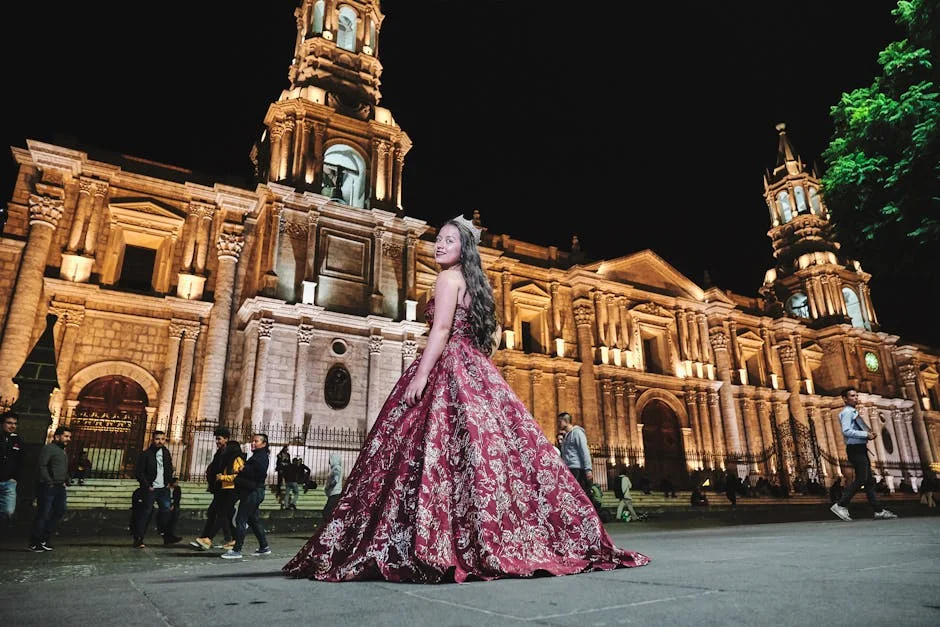
Attendees gathered in Lagos, Nigeria, for the 2026 AMVCA, expecting glamour and star power. Instead, the evening was defined by a public feud over a custom-made cathedral gown worn by a prominent actress. The dress, designed by a rising Nigerian talent, featured intricate beading and a dramatic train that captured the spotlight immediately.
Within hours of the actress posting her red carpet look, the designer took to social media to claim authorship. She shared sketches and behind-the-scenes photos that seemed to prove the gown was not merely borrowed but specifically crafted for the event. The revelation turned a fashion moment into a legal and social media battleground.
Fans quickly divided into two camps. Some praised the actress for her bold styling choice, while others rallied behind the designer, accusing the celebrity of overshadowing the creator’s hard work. The debate spread across Twitter, Instagram, and TikTok, with hashtags related to the gown trending globally within 24 hours.
Understanding the Copyright Claim
The core of the dispute lies in how fashion design is protected under intellectual property laws in Africa. Unlike music or film, fashion often relies on a mix of copyright, trademark, and design patent protections. In many African jurisdictions, these protections are still evolving, leaving designers vulnerable to exploitation.
The designer in question argued that her unique stitching patterns and structural innovations constituted original artistic expression. She claimed that the actress’s agency failed to secure a proper licensing agreement, reducing the dress to a mere accessory rather than a piece of art. This argument resonated with many young creatives who feel their work is undervalued.
Legal Nuances in African Fashion
Legal experts note that copyright in fashion is complex. While a sketch is easily copyrighted, the garment itself may only be protected if it meets specific criteria for originality. In Nigeria, the Copyright Act provides some protection, but enforcement remains inconsistent. This legal gray area allows for disputes like the one at the AMVCA to flourish.
Furthermore, the distinction between “borrowing” and “inspiration” is often blurred. Celebrities frequently wear pieces from emerging designers to boost their profiles, sometimes without formal attribution. This practice, while common, can lead to friction when the designer seeks recognition or financial compensation.
Impact on the Fashion Industry


This incident has sent ripples through the African fashion industry. Designers are now more vocal about securing contracts and public attributions. The AMVCA gown controversy serves as a cautionary tale for both celebrities and stylists who often treat garments as disposable trends.
Major fashion houses are taking notice. Some are revising their collaboration agreements with stars to include clearer copyright clauses. This shift could lead to a more structured relationship between fashion designers and entertainment figures, benefiting both parties in the long run.
For consumers, the dispute has heightened awareness about the origins of the clothes they see on red carpets. Shoppers are increasingly asking questions about who made their favorite outfits and whether the designers were fairly compensated. This consumer pressure is forcing brands to be more transparent.
Social Media as the Court of Public Opinion
Social media played a crucial role in amplifying the controversy. The designer’s strategic use of visual evidence, including time-stamped sketches and fitting photos, helped build a compelling case. Her posts garnered millions of views, turning a niche fashion dispute into a mainstream cultural moment.
Celebrities also used the platform to weigh in. Some supported the designer, calling for greater respect for African creativity. Others remained silent, perhaps fearing the backlash of picking sides in such a passionate debate. The digital nature of the dispute allowed for real-time reactions and ongoing commentary.
Influencers and fashion bloggers dissected the gown’s details, comparing the final look with the designer’s original vision. This level of scrutiny is rare in traditional media but common in the digital age. It demonstrates how social media can serve as both a megaphone and a microscope for fashion controversies.
Broader Implications for African Creatives
The AMVCA 2026 gown dispute is more than just a fashion feud. It reflects a larger struggle for recognition and economic justice for African creatives. For decades, African designers have supplied global stars, yet they often remain in the shadows of the celebrities who wear their work.
This incident underscores the need for stronger institutional support for designers. Trade associations and guilds are beginning to play a more active role in negotiating deals and protecting members’ rights. These organizations aim to standardize practices and reduce the ad-hoc nature of fashion collaborations.
Additionally, the dispute highlights the power of branding. In an era where image is everything, owning your brand means controlling the narrative around your creations. The designer’s ability to reclaim her gown’s story demonstrates the importance of proactive brand management for African artists.
What Happens Next?
The designer has announced plans to file a formal copyright claim if a settlement is not reached within 30 days. This legal step could set a precedent for how fashion disputes are handled in Nigeria and potentially across Africa. Legal observers are watching closely to see how courts interpret originality in garment design.
Meanwhile, the actress’s agency has issued a statement acknowledging the designer’s contribution. They have proposed a joint press conference to clarify the terms of their agreement. This move suggests a desire to resolve the dispute amicably and restore positive relations between the two parties.
Fashion weeks in Lagos and Accra are also expected to feature more discussions on copyright. Industry leaders plan to include panels on intellectual property rights, aiming to educate both designers and clients. These educational efforts could help prevent similar conflicts in future seasons.
Looking Ahead: The Future of Fashion Rights
As the African fashion industry continues to grow, the need for clear copyright frameworks becomes increasingly urgent. The AMVCA 2026 controversy is likely to be a catalyst for change, pushing stakeholders to define and defend the value of design. Consumers, designers, and celebrities alike must adapt to this new reality.
Watch for new legislation in key African markets that specifically addresses fashion design rights. Also, keep an eye on how major fashion brands adjust their collaboration contracts. The outcome of this dispute will influence how African creativity is valued and protected in the global market for years to come.
See Also
- ANC Confirms Dada Morero as Johannesburg Mayoral Candidate Despite Dismissal Fallout
- Ramaphosa Hails DRC, Uganda Ebola Response as Africa’s Health Model