The upcoming summit between Donald Trump and Xi Jinping is reshaping the geopolitical landscape for nations that have long tried to sit on the fence. Leaders in Southeast Asia and the Pacific are no longer enjoying the luxury of ambiguity. They face a binary choice that threatens to upend decades of economic diplomacy. The stakes are higher than ever before.
Geopolitical Uncertainty Rises
Washington and Beijing are the two dominant gravitational forces in the Indo-Pacific region. Most countries in the area have historically managed their relationships with both superpowers through a strategy of hedging. This approach allows nations to enjoy American security guarantees while benefiting from Chinese manufacturing and infrastructure investment. That delicate balance is now fracturing under the weight of renewed bilateral tensions.
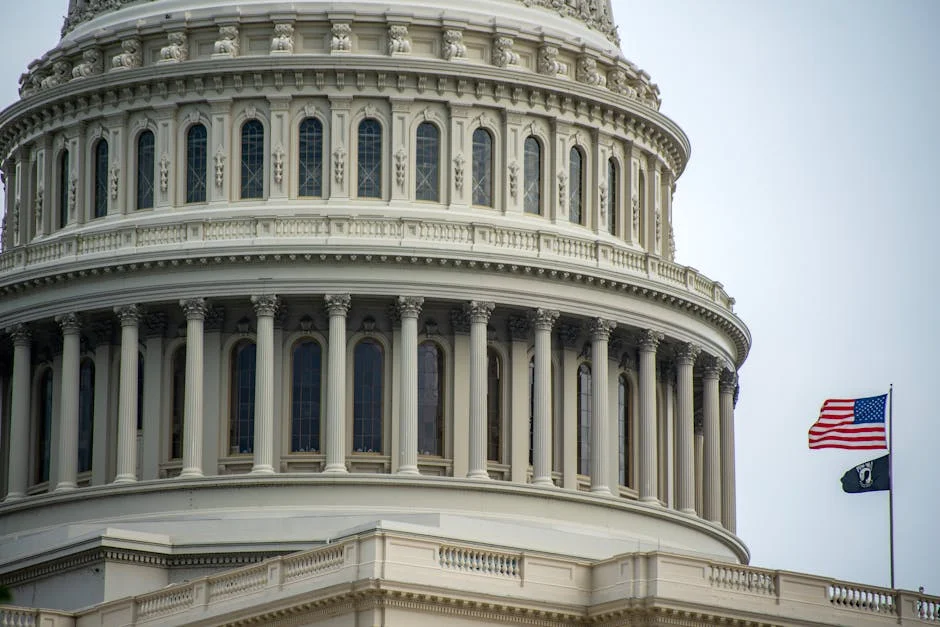
The core of the fear lies in the potential for forced alignment. Middle powers worry that the Trump administration will demand explicit loyalty in trade and technology sectors. Simultaneously, China is leveraging its economic might to reward allies and punish dissenters. This dual pressure creates a pincer movement that leaves little room for maneuvering for smaller economies. The result is a region on edge, waiting for the first major policy announcement.
Analysts at the Lowy Institute in Sydney have noted that this dynamic differs sharply from previous eras of US-China rivalry. In the past, trade disputes were often contained within specific sectors like agriculture or steel. Today, the competition is existential, spanning from semiconductor supply chains to digital currency standards. This breadth of conflict means that almost every export-oriented economy in Asia will feel the shockwaves.
Trade Dynamics Shift
The economic implications of the summit are immediate and tangible. Trump has previously threatened to impose tariffs of up to 60% on Chinese goods if Xi Jinping is re-elected. Conversely, China has hinted at retaliatory measures that could target American agricultural exports and technology imports. These potential trade barriers create a ripple effect that extends far beyond the two nations. Supply chains that once flowed smoothly through Vietnam and Malaysia are now facing sudden bottlenecks.
Consider the case of the electronics industry. Many multinational corporations have moved assembly lines to Southeast Asia to avoid direct US-China tariffs. However, if the new trade deal includes stricter rules of origin, these transshipment strategies may lose their effectiveness. Companies may be forced to choose between American markets and Chinese components. This forces local governments to invest heavily in infrastructure to attract the fleeing capital. The competition for foreign direct investment is intensifying rapidly.
Regional Economic Responses
Nations are already adjusting their economic policies in anticipation of the summit's outcome. Thailand is accelerating its digital economy reforms to attract tech firms looking for a neutral ground. Indonesia is leveraging its vast mineral reserves, particularly nickel, to become an indispensable partner to both superpowers. These strategic moves highlight the proactive nature of the regional response. Leaders are not waiting for Washington or Beijing to dictate terms.
- Vietnam is expanding its port infrastructure to handle increased cargo volumes diverted from China.
- Singapore is positioning itself as a key financial hub for hedging currency risks associated with trade volatility.
- India is deepening its defense ties with the United States while maintaining critical energy imports from China.
The diversity of these responses underscores the complexity of the regional landscape. There is no single "Asian" response to the US-China rivalry. Each country is tailoring its strategy based on its unique economic strengths and vulnerabilities. This fragmentation could weaken regional blocs like ASEAN, which has traditionally relied on consensus to project power. The lack of a unified voice makes each nation more susceptible to bilateral pressure from Washington or Beijing.
Security Alliances Tested


Trade is only one dimension of the rivalry. Security alliances are also being stress-tested by the potential outcomes of the Trump-Xi summit. The United States has long maintained a network of military bases and bilateral treaties in the region. Countries like the Philippines and Japan have deepened their security cooperation with Washington in recent years. However, economic interdependence with China often complicates these security arrangements.
China's military modernization and assertive naval presence in the South China Sea remain a primary concern for regional neighbors. The summit will likely address these territorial disputes, or at least the management of them. A thaw in relations could lead to a temporary reduction in naval skirmishes, providing a breathing space for diplomatic negotiations. A deterioration in ties, however, could lead to increased militarization and a higher risk of accidental conflict. The security architecture of the Indo-Pacific is fragile and highly sensitive to the personal chemistry between Trump and Xi.
Defense spending in the region is already on an upward trajectory. Countries are buying more submarines, aircraft, and missile systems to hedge against uncertainty. This arms race is driven by the fear that security guarantees from Washington might not be enough if the US adopts a more isolationist foreign policy. The concept of "America First" suggests that US military commitments might be treated as transactional rather than enduring. This perception drives nations to diversify their security partners and increase their own defense capabilities.
Diplomatic Maneuvering
The diplomatic groundwork for the summit is already underway. Envoys from Washington and Beijing are holding preliminary talks to set the agenda and manage expectations. These behind-the-scenes negotiations are crucial for avoiding public embarrassments and securing at least a modicum of progress. The personal dynamics between the two leaders will play a significant role in the tone and outcome of the summit. Trump's transactional style contrasts with Xi's more ideological approach to global order.
Middle powers are actively engaging in shuttle diplomacy to influence the outcome. Leaders from India, Australia, and key ASEAN nations are reaching out to both capitals to articulate their concerns and opportunities. This multilateral engagement aims to prevent the US-China relationship from becoming a zero-sum game for the rest of the region. By presenting a coherent set of regional interests, these nations hope to secure concessions or at least exemptions from the harshest trade and security measures.
The role of international institutions is also evolving in this context. The World Trade Organization, the International Monetary Fund, and the Asian Development Bank are being called upon to provide stability and predictability. However, their influence is often constrained by the political will of their largest shareholders. The effectiveness of these institutions will depend on whether the US and China choose to use them as arenas for negotiation or as tools for leverage. This institutional dimension adds another layer of complexity to the diplomatic landscape.
Implications for Global Markets
The financial markets are highly sensitive to developments in the US-China relationship. The summit is viewed as a potential catalyst for either stability or volatility, depending on the agreements reached. Investors are closely monitoring currency fluctuations, commodity prices, and equity valuations in key sectors. A positive outcome could trigger a rally in Asian equities and strengthen the Chinese yuan. A negative outcome could lead to a flight to safety, boosting the US dollar and gold prices.
The energy sector is particularly vulnerable to shifts in US-China relations. China is the world's largest importer of crude oil, and the United States is a major producer. Trade agreements could affect the flow of energy resources and the pricing dynamics in global markets. Additionally, the transition to renewable energy involves significant competition between American and Chinese technology firms. Policies favoring one side could disrupt the global energy transition and impact investment flows in the green technology sector.
Financial regulators in the region are preparing for increased volatility. They are implementing stress tests and contingency plans to manage the potential impact of trade wars and currency fluctuations. Central banks are coordinating their monetary policies to ensure liquidity and stability in the face of external shocks. The resilience of the regional financial system will be tested by the decisions made at the summit. Preparedness and adaptability will be key to navigating the uncertainties ahead.
Future Outlook and Key Dates
The outcome of the Trump-Xi summit will have long-lasting implications for the Indo-Pacific region and the global economy. The decisions made in Washington will shape trade flows, security alliances, and diplomatic relationships for years to come. Middle powers must remain agile and strategic in their response to these developments. They need to balance their economic interests with their security concerns and diplomatic priorities.
Watch for the initial joint press conference immediately following the summit. This event will provide the first concrete signals regarding tariff levels and diplomatic tone. Investors and policymakers should also monitor the subsequent announcements from the Ministry of Commerce in Beijing and the Office of the US Trade Representative. These official statements will clarify the details of any new agreements or disputes. The coming weeks will be critical in determining whether the region enters a period of renewed stability or heightened tension.
See Also
- Swinney Slams SNP Grocery Price Cap as 'Potty Gimmick'
- Ramaphosa Defies Xenophobia Labels as South Africa Migration Crisis Deepens