The iconic "Hello, world" computer program has been reimagined in a new animated format that reveals previously hidden details about its origins. This update offers a fresh perspective on the simplest and most recognizable line of code in software development history. The animation highlights the evolution of how developers introduce new languages to the world.
Origins of the First Greeting
The phrase "Hello, world" dates back to the early days of computing. It first appeared in a 1974 tutorial written by Brian Kernighan for the B programming language. This simple output became the standard test for new compilers and programming environments. The choice of greeting was somewhat arbitrary but quickly gained traction among programmers.
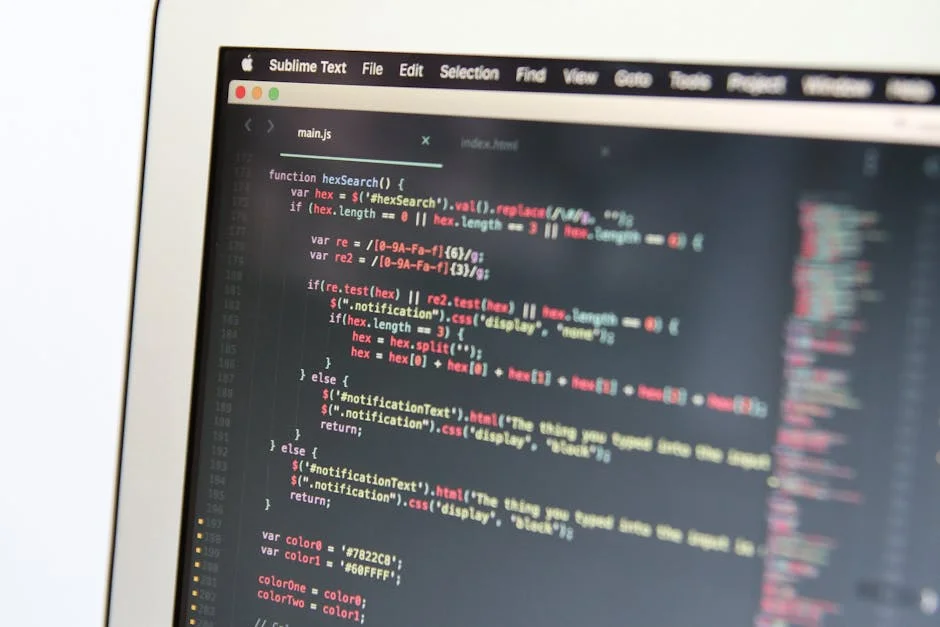
Kernighan’s original example was used to demonstrate the basic syntax of the language. The program’s output was just a single line of text displayed on a terminal screen. This simplicity made it an ideal candidate for teaching and testing purposes. Over time, it transcended its technical roots to become a cultural touchstone in tech.
The New Animated Version
A recent animated adaptation of the "Hello, world" image has drawn attention for its detailed recreation of the coding process. The animation shows the step-by-step execution of the code across different operating systems. It highlights the subtle differences in how various languages handle this classic task. This visual representation helps new developers understand the underlying mechanics of code execution.
The animation includes specific details about the environment in which the code runs. It shows the cursor blinking on a black screen, a familiar sight for many programmers. The sequence ends with the text appearing line by line, mimicking the output of an old terminal. This attention to detail adds a layer of nostalgia and clarity to the explanation.
Technical Details in the Animation
The animation breaks down the code into its constituent parts. It shows the compiler reading the source code and translating it into machine language. This process is often invisible to the average user but is crucial for understanding how software works. The visual aid makes this abstract process more tangible and easier to grasp.
Viewers can see the memory allocation and the execution flow in real-time. This level of detail is rarely seen in standard tutorials. The animation serves as both an educational tool and a piece of tech art. It bridges the gap between technical precision and visual storytelling.
Why This Matters for Developers


For new developers, the "Hello, world" program is often their first encounter with a new language. Understanding its mechanics can provide insights into the language’s structure and syntax. The animated version offers a deeper dive than the traditional static image. It helps learners visualize the process rather than just reading about it.
Experienced programmers also find value in this update. It reminds them of the foundational concepts that underpin modern software development. The animation serves as a refresher on the basics while introducing new visual elements. This dual appeal makes it a useful resource for developers at all levels.
Impact on Tech Education
The release of this animation coincides with a growing emphasis on visual learning in tech education. Many coding bootcamps and online courses are incorporating more visual aids to help students grasp complex concepts. The "Hello, world" animation is a prime example of this trend. It demonstrates how simple visualizations can enhance understanding.
Education institutions in the United States are taking note of this development. Some universities are considering integrating such animations into their introductory computer science courses. This shift towards visual learning could make programming more accessible to a wider audience. It reduces the initial barrier to entry for new students.
Historical Context and Evolution
The history of "Hello, world" is intertwined with the evolution of programming languages. From C to Python, Java to JavaScript, the phrase has remained a constant. Each language has its own way of printing this simple message, reflecting its unique syntax. The animation captures this diversity by showing examples from multiple languages.
This historical perspective is important for understanding the continuity in software development. It shows how new languages build upon the foundations laid by their predecessors. The animation serves as a visual timeline of programming history. It highlights the enduring relevance of this simple greeting.
Global Reception and Response
The animated "Hello, world" has received positive feedback from the global tech community. Developers on social media have shared the animation, praising its clarity and creativity. Many have noted how it simplifies a concept that is often taken for granted. This widespread engagement indicates a strong interest in educational tech content.
Tech influencers and educators have also weighed in on the animation. They have used it as a teaching tool in their own content. This viral spread helps to demystify programming for a broader audience. It contributes to the ongoing effort to make tech more inclusive and understandable.
Future of Code Visualization
The success of this animation suggests a future where code visualization plays a larger role in tech. We can expect more interactive and dynamic tools to emerge. These tools will help developers and learners alike to better understand complex systems. The "Hello, world" animation is just the beginning of this trend.
Companies are already investing in visual programming environments. These platforms allow users to see their code in action in real-time. This approach can accelerate the learning process and improve debugging efficiency. The animation sets a high standard for future visualizations.
What to Watch Next
Keep an eye on how educational institutions adopt this and similar visual tools. The next few months will show whether this trend leads to widespread changes in tech curricula. Developers should also watch for new animations that cover more complex programming concepts. The evolution of visual aids in tech education is a story worth following.
See Also
- Christopher LaNeve Named Acting Army Chief of Staff — What It Means for US Military Leadership
- Soweto Uprising Sparks New Wave of Activism Against Bantu Education
Impact on Tech Education The release of this animation coincides with a growing emphasis on visual learning in tech education. Each language has its own way of printing this simple message, reflecting its unique syntax.
What is the latest news about hello world animation reveals new code history?
Why does this matter for economy-business?
What are the key facts about hello world animation reveals new code history?