Portugal has officially integrated the education of memory into its national school curriculum, marking a structural shift in how history is taught to the younger generation. This initiative requires schools to dedicate specific instructional time to themes such as the Colonial War, the Estado Novo dictatorship, and the role of women in society. The move aims to bridge the gap between historical events and the lived experiences of students, ensuring that the past remains a living subject rather than a static list of dates.
A New Framework for Historical Consciousness
The Portuguese Ministry of Education launched this initiative to address what educators call a growing disconnect between students and their national history. The framework does not merely add hours to the timetable; it redefines the pedagogical approach to history. Teachers are now encouraged to use oral histories, archives, and local community stories to bring historical narratives to life. This method seeks to make history more tangible for students who often view their heritage as distant or abstract.
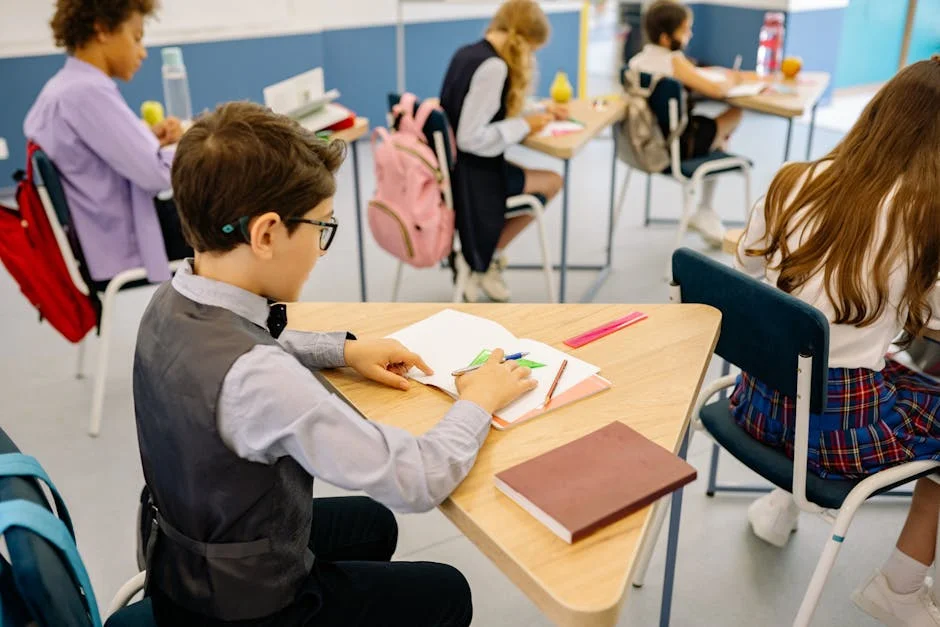
Officials in Lisbon emphasize that this change is not about imposing a single narrative but about fostering critical thinking. The goal is to equip students with the tools to question sources and understand the complexity of historical memory. By integrating these themes into the core curriculum, the government hopes to create a more informed citizenry. This approach aligns with broader European trends where memory education is seen as essential for democratic resilience.
Challenges for Schools and Educators
Implementing this new framework presents logistical and pedagogical challenges for schools across the country. Many educators in cities like Porto and Braga have expressed concerns about the increased workload and the need for specialized training. The curriculum requires teachers to move beyond traditional textbooks and engage with diverse historical sources. This shift demands time and resources that some underfunded schools may struggle to provide.
Training and Resource Allocation
The Ministry of Education has announced a series of training workshops to help teachers adapt to the new requirements. These sessions focus on methodologies for integrating oral history and archival research into the classroom. However, critics argue that the initial rollout has been too rapid, leaving many educators feeling unprepared. The success of the initiative will depend heavily on the quality and consistency of this professional development.
Resource allocation remains a key issue, particularly for schools in rural areas. While urban schools may have better access to museums and archives, rural institutions often face greater logistical hurdles. The government has pledged to invest in digital resources to help bridge this gap. Yet, questions remain about whether these investments will be sufficient to ensure equitable implementation across the country.
Why This Matters for National Identity

The education of memory is closely tied to the construction of national identity in Portugal. The country has undergone significant political and social changes over the past century, from the fall of the Monarchy to the end of the Colonial War. Understanding these transitions is crucial for fostering a sense of shared history and civic responsibility. The new curriculum aims to help students see themselves as part of a continuous historical narrative.
This initiative also responds to calls from historians and civil society organizations for a more inclusive history curriculum. Previous iterations often focused heavily on political elites and major events, sometimes overlooking the experiences of ordinary citizens. By emphasizing themes like the role of women and the impact of colonialism, the new framework seeks to present a more nuanced and representative picture of Portuguese history. This inclusivity is seen as vital for engaging diverse student populations.
Reactions from the Educational Community
Reactions from teachers and parents have been mixed, reflecting the complexities of implementing such a broad change. Many educators welcome the opportunity to make history more relevant and engaging for their students. They appreciate the emphasis on critical thinking and the use of diverse sources. However, some express concern about the potential for political bias in the selection of historical themes. Ensuring objectivity while encouraging critical inquiry remains a delicate balance.
Parents and community leaders have also voiced their opinions, with many supporting the initiative as a way to strengthen ties between schools and local communities. They see the potential for memory education to foster intergenerational dialogue and community cohesion. Others worry that the focus on certain historical periods might overshadow other important aspects of the curriculum. Open communication between schools and families will be essential for addressing these concerns.
Looking Ahead: Implementation and Evaluation
The full implementation of the memory education framework is expected to take place over the next few academic years. The Ministry of Education has set up a monitoring committee to evaluate the progress and impact of the initiative. This committee will gather data on student engagement, teacher satisfaction, and curriculum effectiveness. The findings will inform future adjustments and refinements to the framework.
Stakeholders will be watching closely to see how this initiative evolves and whether it achieves its stated goals. The next few years will be critical for determining the long-term impact of memory education on Portuguese students. Educators and policymakers must remain committed to continuous improvement and open dialogue. The success of this effort will depend on the ability of schools to adapt and innovate in the face of ongoing challenges.
See Also
- Fury Claims Victory Over Makhmudov Ahead of Saturday Fight
- IRS Officer Denies Asking Shah Rukh Khan for Bribe in Son's Drug Case
The next few years will be critical for determining the long-term impact of memory education on Portuguese students. The country has undergone significant political and social changes over the past century, from the fall of the Monarchy to the end of the Colonial War.