The United States Treasury Department has announced new sanctions targeting Iran's oil exports, a move aimed at curbing revenue that could fund Tehran's controversial activities. The sanctions, revealed on October 25, 2023, are designed to halt the flow of Iranian oil to international markets, particularly highlighting transactions involving Chinese entities.
US Tightens Economic Pressure on Iran
These sanctions are part of a broader strategy by the US to exert economic pressure on Iran. This approach seeks to bring Iran back to the negotiating table over its nuclear program, which has been a point of contention since the United States withdrew from the Joint Comprehensive Plan of Action (JCPOA) in 2018 under President Trump. The latest measures specifically target several shipping and trading companies that facilitate oil transactions between Iran and China.
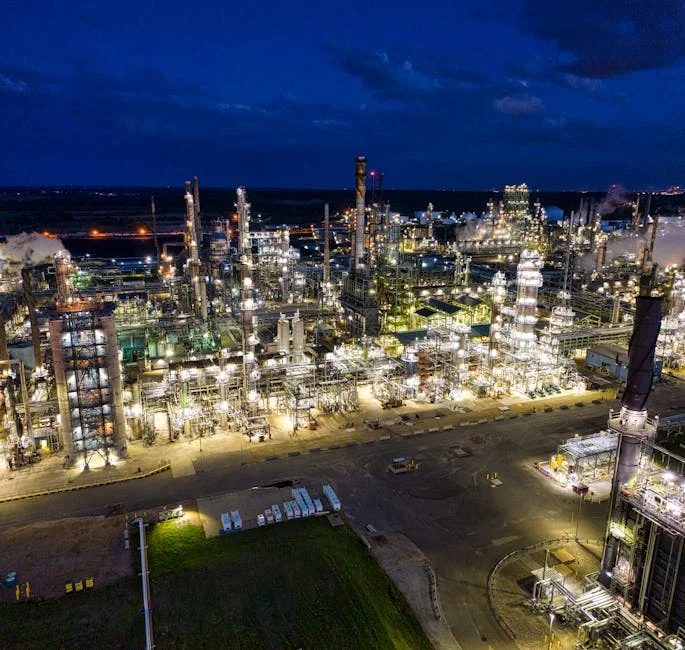
The US Treasury's Office of Foreign Assets Control (OFAC) identified that these sanctions aim to close loopholes that have allowed Iranian oil to reach global markets. OFAC has explicitly named ten entities across various countries, including two major firms based in China. This move is expected to impact Iran's oil export earnings significantly, a critical source of revenue for the nation.
China's Role in Iranian Oil Trade
China has long been a crucial buyer of Iranian oil, which often circumvents international sanctions through complex networks of intermediaries. This trade relationship is vital for both nations, with China securing a steady oil supply and Iran maintaining a revenue stream despite sanctions.
Chinese Economy Update
The latest sanctions could complicate Chinese efforts to balance its economic interests with its diplomatic ties. China's economy, which relies heavily on energy imports, might face increased costs as it navigates these US-imposed restrictions. The Chinese government has yet to issue a formal statement, but past responses have emphasized the need for dialogue over unilateral actions.
Impact on Global Oil Markets


The introduction of these sanctions could also ripple through global oil markets. Analysts predict potential disruptions in supply chains and fluctuations in oil prices. With Iran exporting approximately 1 million barrels per day, any significant reduction due to these sanctions could lead to tightening in global oil supply, affecting prices worldwide.
Oil prices have already shown volatility, with recent figures indicating a rise of about 3% following the announcement. The international community is watching closely to see how these sanctions will affect global oil inventories and the geopolitical landscape.
What to Watch Next
The coming weeks will be critical as stakeholders observe the reaction from the Chinese government and the potential for diplomatic negotiations to ease tensions. Industry experts will be monitoring oil price trends and supply chain adjustments. Additionally, the effectiveness of these sanctions in curbing Iran's oil revenues will be closely scrutinized as the US continues to leverage economic tools to influence international relations.
See Also
With Iran exporting approximately 1 million barrels per day, any significant reduction due to these sanctions could lead to tightening in global oil supply, affecting prices worldwide.Oil prices have already shown volatility, with recent figures indicating a rise of about 3% following the announcement. Industry experts will be monitoring oil price trends and supply chain adjustments.